


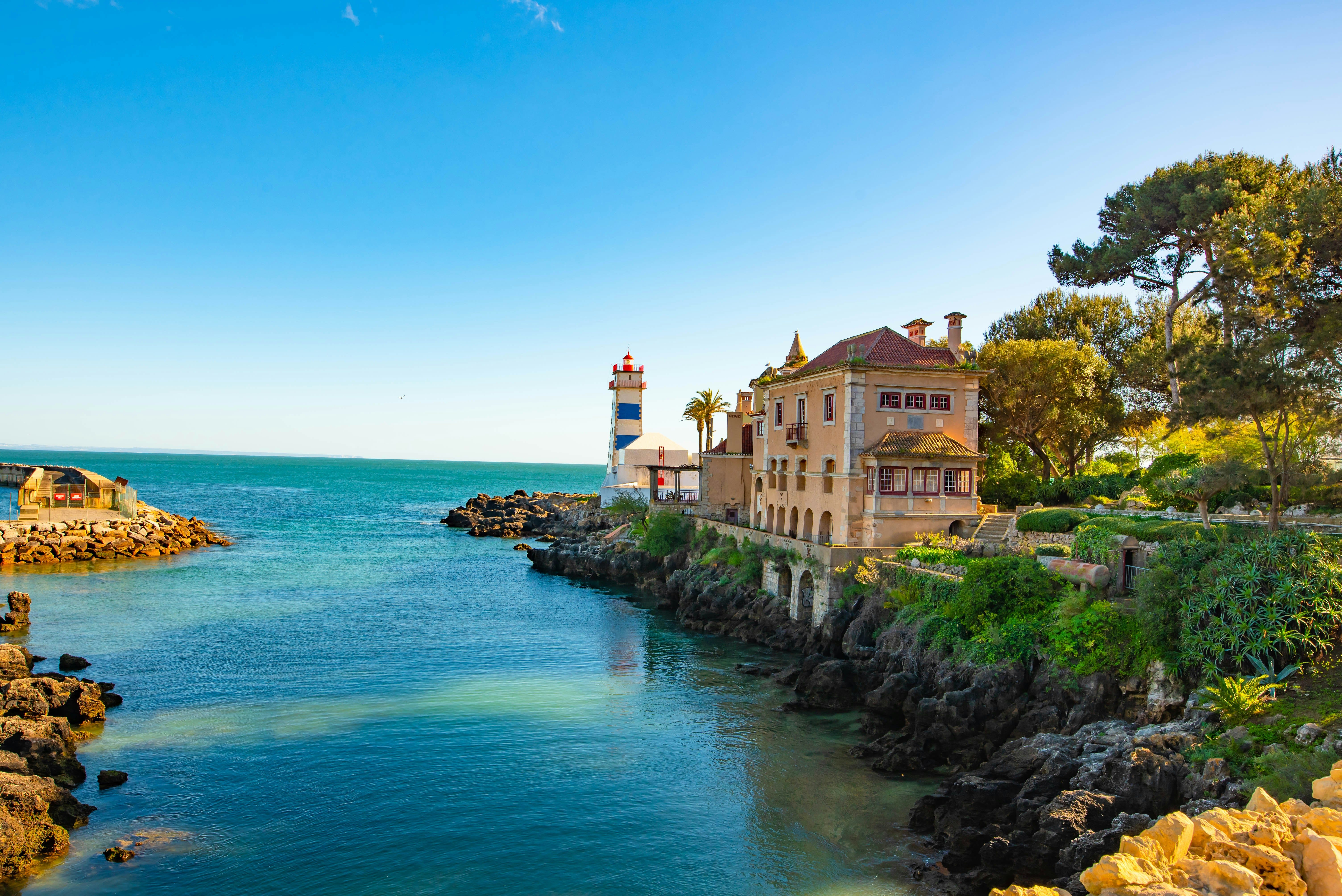
Most advice about where to live comes down to affordability. Where to get more life for less money and which visa will get you there.
But past a certain level of wealth that stops being the focus.
You can afford almost anywhere, which sounds like it should make the decision easier but actually does the opposite.
What you want your days to look like becomes the pivotal question. What form your wealth is in decides which countries are even on the table.
Around $5M is where I see that switch happen. The advice online mostly stops being useful at this level, because it is typically written either for someone stretching a modest monthly budget or for someone with a family office behind them. Neither fits the middle.
But there’s also another conundrum. It’s a great net worth for many, depending on the areas of the world. It’s also a threshold for which I’ve heard “$5M is the new poor.” As ironic and perhaps “out of touch” as that might sound, it contains a certain degree of truth. Depending on your location, it doesn’t necessarily imply full financial freedom.
I get this question often from friends and readers crossing that mark: where should I actually live? Below are the eight countries I would genuinely consider for people in this range, plus how the answer changes depending on the types of assets you own.
In this free edition of my letter, I find it interesting to stimulate discussions and I’ll simply report what I more frequently see based on my own network. This is a subjective list and if you believe there are other good options, please leave a comment!
The eight
Switzerland
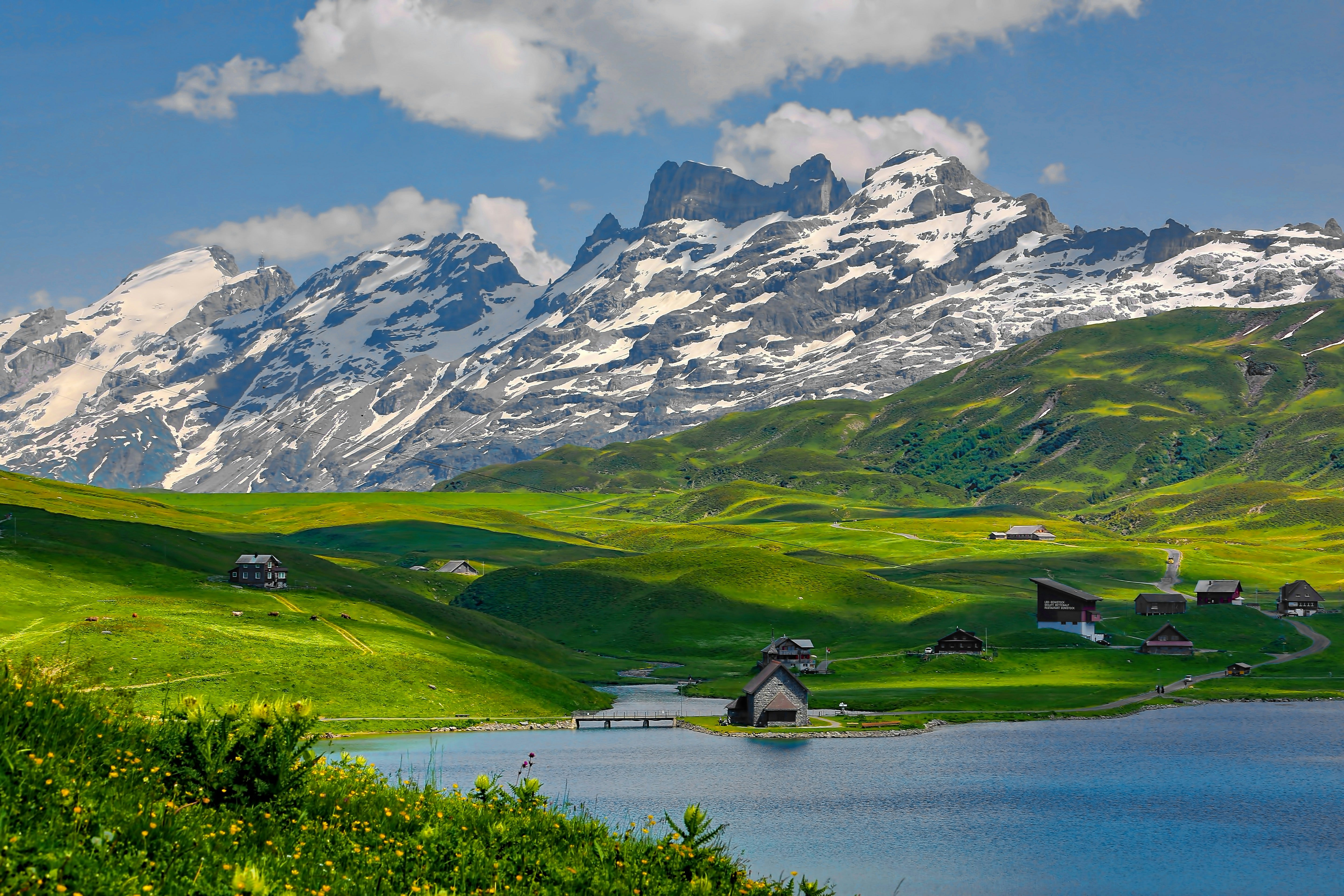
The stability play, and around 250 millionaires are moving there every month. The reason is one federal rule: private capital gains aren’t taxed in any canton, so if you hold stocks, ETFs or crypto privately and sell at a profit, the rate is zero. The condition is staying a passive investor. Trade actively or earn your living from trading and you get reclassified as professional and taxed as income.
You can live very well on $5M depending on whether you buy or rent, but it’s a country you enjoy more fully with a bigger budget. Lump-sum taxation is the regime everyone asks about and it’s the wrong tool at this level, because the annual bill lands somewhere between CHF 150,000 and CHF 350,000, though it can often land higher.
I lean towards Lugano, which gets 2,100 hours of sunshine a year, speaks Italian, and sits an hour and a quarter from Milan by train. Income tax there runs 36 to 41% against around 20% in the cheapest cantons, so it’s the lifestyle pick rather than the optimized one. The regions are very different from each other: German, French and Italian Switzerland aren’t the same place, and Zurich, Geneva and Lugano aren’t either. Personally I find a lot of it a bit boring, and you have to be ready for the Swiss way of life. But I have German-speaking friends who are very happy in the Zurich area (or nearby like Zug and adjacent) as others in Lugano and many more in Geneva, so it could very well work for you.
Works for: long-term crypto and wealth held in assets rather than income.
I wrote the full canton-by-canton breakdown here:

Quick pause…
If you’re enjoying this and it has been useful, the paid tier is open for those who want to go deeper. You get at least three in-depth guides a month with the operational layer (exact towns, prices, timelines, and the catches), the full webinar replay library, private community chat, regular AMAs, and a vote on what I cover next. It also funds this work directly.
Founding rate: $19/month locked in for life for the first 300 subscribers. Regular price $29/month after that.
UAE

Despite the current war tensions, it’s still a phenomenal option, and it’s tax-optimized.
Dubai’s image of invincibility took a hit. But the friends I have in Dubai and Abu Dhabi mostly tell me the same thing: what stayed with them was how fast and composed the response was. In fairness, some of them did decide to move out recently, and others stayed. The UAE still led the world for millionaire immigration in 2025.
My read is that there will be a dip and a lot of people will buy it. You need to be fine with a few months of brutal heat and a very international population with a large South Asian community.
Everyone talks about Dubai, but Abu Dhabi is also worth a serious look: it has been rated the safest city in the world ten years running, it’s where the actual money sits, and the same apartment runs about a third cheaper.
Works for: wealth held in assets, and anyone still building rather than preserving.
Cyprus
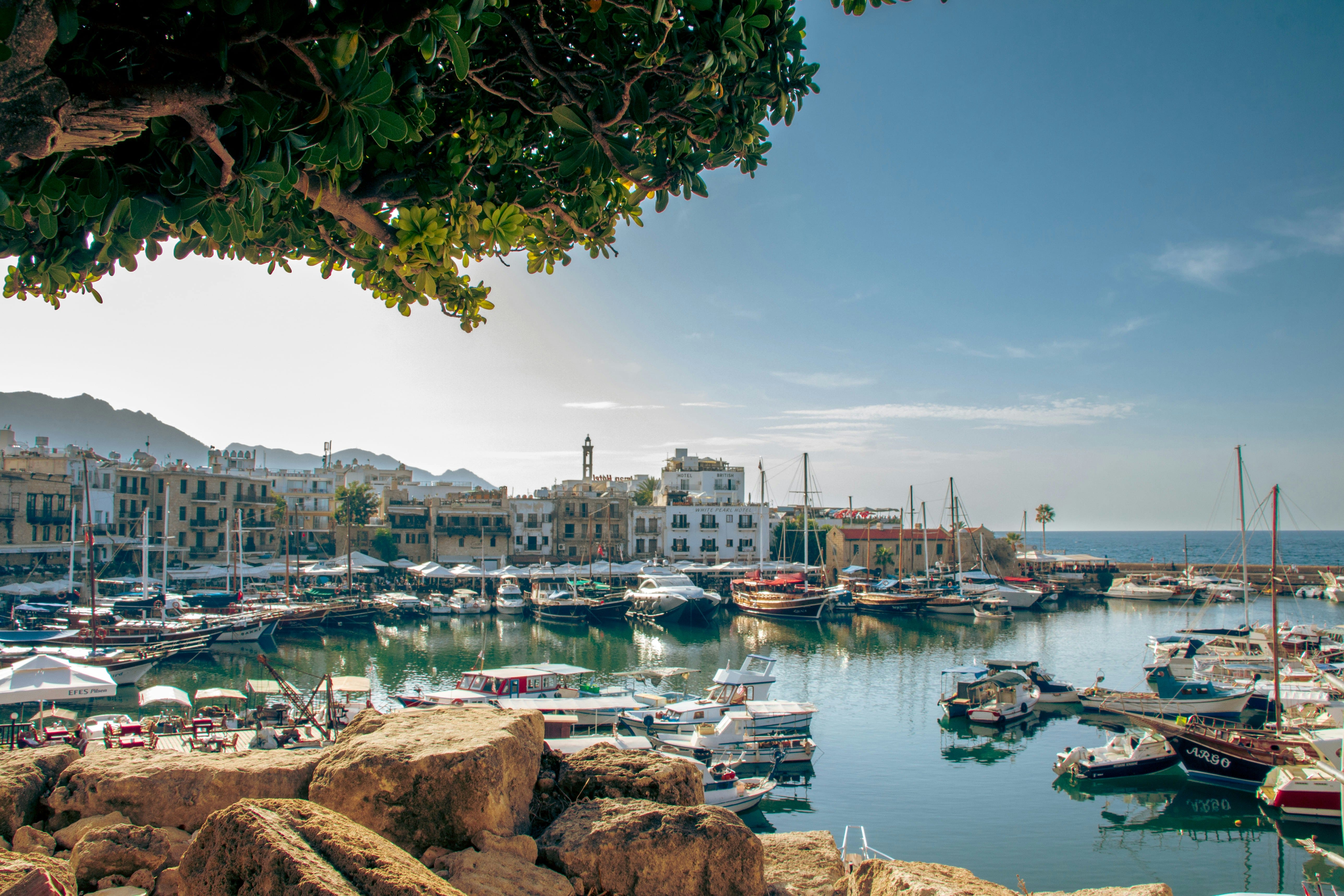
The sweet spot, while it lasts.
I speak to international families every day, and I’d bet that up to 80% of the ones looking for a European base end up here. Not because it’s the most exciting country. Not because the food is better than Greece or Italy. The non-dom regime runs 17 years and covers foreign dividends, foreign interest and capital gains on securities at zero. Tax residency takes 60 days on the island instead of the usual 183, so you spend two months there and the other ten wherever you want. English is the working language, which makes the admin simple.
It’s a quiet life, very different from the UAE. Limassol or Paphos work well, and with €5K a month you can rent a phenomenal villa. For most people I wouldn’t buy there: rent, and keep a summer place in your home country. Cyprus isn’t selling you a lifestyle, it’s selling you a structure.
Works for: passive income, with a structuring caveat.
Portugal

With the right structuring under IFICI, the regime that replaced the old NHR, it can be a great option. I know people who set themselves up this way recently, later-stage entrepreneurs and investors, and they’re very happy with it.
But the system keeps getting more restrictive, and this year it got a lot more so. Naturalization went from five years to ten in May, and the real estate route into the Golden Visa is gone. If a Portuguese passport was part of your plan, that plan is now twice as long.
You also need to be comfortable with a nature-oriented life, and construction quality is poor even at higher budgets. That makes it not necessarily the ideal base, even though it remains the lowest-friction way to hold a European position without moving your life to Europe.
Works for: long-term crypto, which for some people outweighs everything above.
I broke down what’s left of the Golden Visa here:

Uruguay
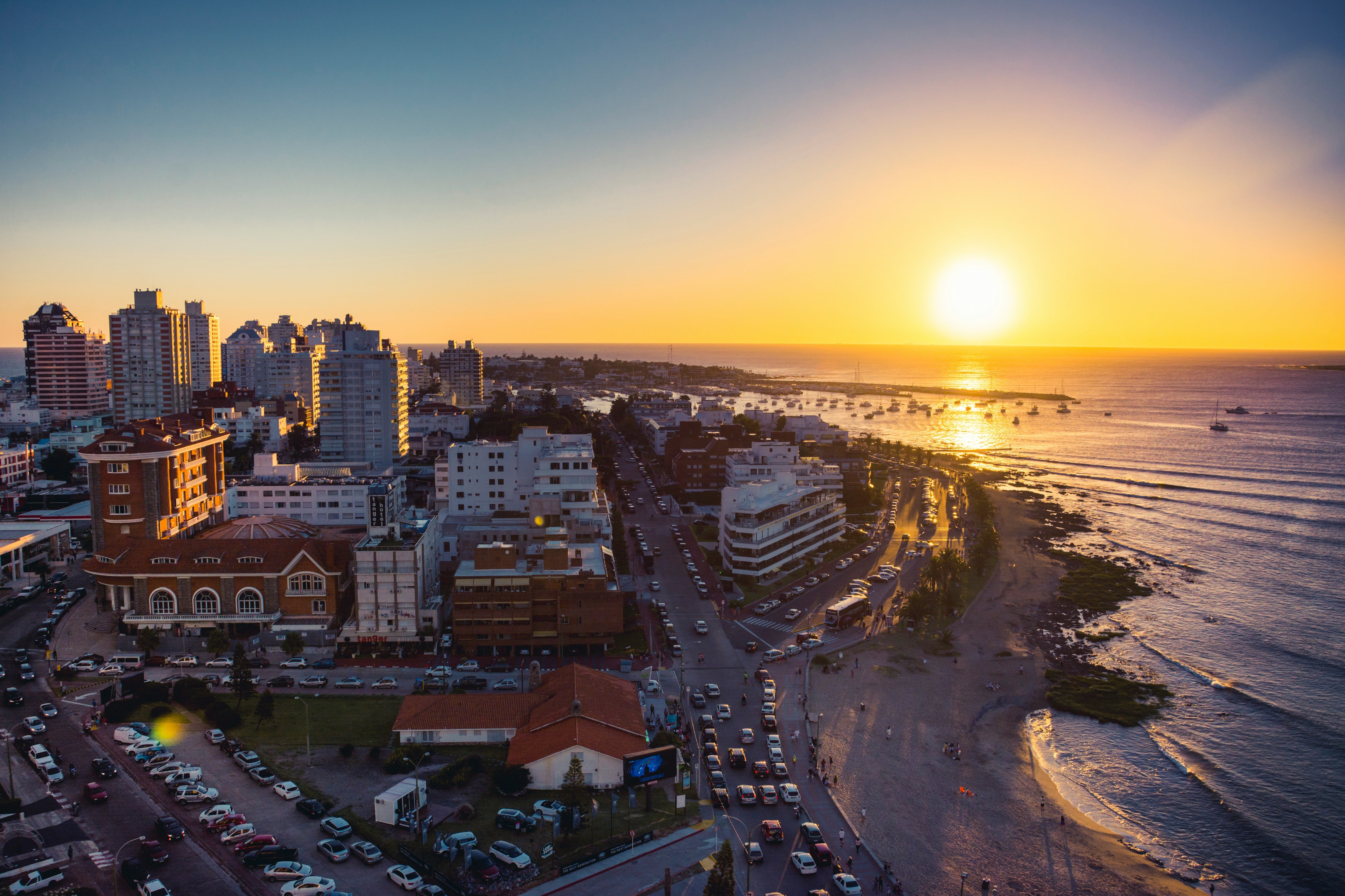
The most stable country in Latin America. It’s the safest, it’s rated a full democracy, and it’s one of only two in the Americas that are. Some people call it boring, but many of the people I know in Punta del Este are very happy there, and it should be one of the central options for a calm life.
The terms changed this year, but the change only binds you if you want the tax deal without living there. If you actually move, it’s 183 days a year on the ground and nothing to invest: 11 years at zero on foreign income, then 5 more at 6%. If you’d rather hold the residency and spend most of the year elsewhere, that’s the investment route, and it went from a $559,000 property plus 60 days a year to $2 million. If you can write that check it’s still an improvement, because sixteen years of protection beats eleven and $2 million in Punta del Este is a lifestyle purchase rather than a barrier. At $5M, living there is usually the simpler answer.
Works for: passive income, same structuring caveat.
Singapore

I always put it above Hong Kong, especially with kids, because it’s another stability play. The tax side is clean: no capital gains tax at all, no inheritance tax, and no tax on foreign income you don’t bring in. The stability isn’t only institutional either. Singapore is militarily non-aligned and runs a deliberately balanced line between the US and China.
It’s expensive, though. The Global Investor Programme starts at S$2.5 million for permanent residence, which on $5M is half your net worth, but that’s the shortcut and not the only door. You can also get there by living and working here, which is how most people actually do it.
Either way $5M puts you barely at the entry door, so you’d probably rent. It’s a place to accelerate a career or a business rather than a place to sit on capital.
Works for: wealth held in assets, if you can carry the cost.
Greece

It’s laid-back and also trending. The €100K flat tax can be worth it depending on your setup. A flat charge only works out above a certain level of income, so run your own numbers before Greece goes on the shortlist. The coastal living beyond the tourist hotspots is genuinely incredible, and if you want a city, Thessaloniki gives you Athens-level amenities at a lower cost.
Where Greece gets demanding is the paper. The residency permit asks almost nothing of you, but citizenship wants 183 days a year for seven years, plus a language test that’s considered one of the harder ones for foreigners because of the different alphabet. Fine if you actually intend to live there. Not the country to pick if you want a European position you can hold from a distance.
Works for: income high enough to clear the flat charge.
Malta
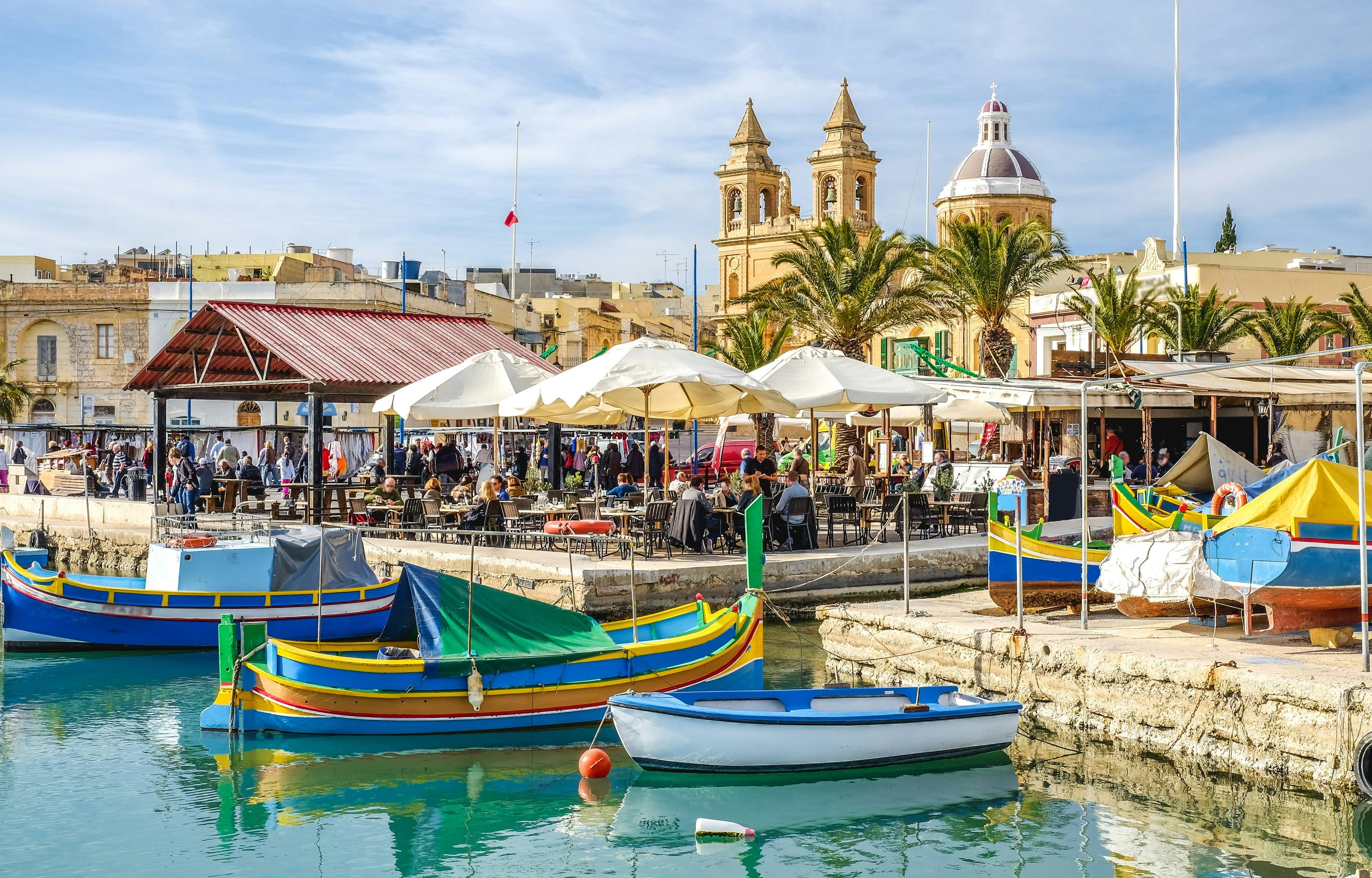
Excellent for tax optimization, and the reason is unusually broad. As a non-domiciled resident you’re taxed on Maltese-source income and on foreign income you remit, but foreign capital gains aren’t taxed even if you bring them in. No wealth tax either, and no inheritance tax on foreign assets. That covers most shapes of wealth. The honest caveat is that Malta was greylisted by FATF in 2021 and came off it in 2022 after reforms, so it’s recovering but sits under more scrutiny than anywhere else on this list. And you need to be comfortable in a small place. The population is about 520,000. Some people find that restful and some find it claustrophobic, and you probably already know which one you are.
Works for: most setups. The limit here is the place, not the portfolio.
Does the answer change by asset class?
Yes, and more than most people expect. The form your wealth takes matters as much as the amount.
Long-term crypto, no active trading. Portugal, at 0% so far if you hold for more than 365 days. Switzerland is the other strong option, for the reason above, as long as you stay on the passive side of that line. If this is most of your net worth, these two are in a different category from everything else on the list.
Passive assets under income-based regimes. Uruguay, Portugal and Cyprus can all work here. The caveat bites when the income comes out of a company you own, because then you need holding structures with real substance behind them, meaning staff and offices rather than a name on a certificate. That adds complexity and cost, so the headline rate is not what you end up paying. Dividends and interest from a third-party portfolio are much simpler.
Wealth held in assets rather than income. Switzerland, the UAE and Singapore are generally better here. A regime that exempts foreign income does very little for you if your wealth is not producing much income in the first place.
Operators with active companies. You’ll almost certainly need to structure across several jurisdictions, so the answer becomes case by case rather than country by country. Where you live is one decision, where the company is incorporated is another, and the two don’t have to be the same place.
Sorted by what you want

There isn’t one universal ranking. It depends on the kind of life you are after.
Stability first. Switzerland is number one, though a bit boring. I mapped the countries that come closest to replicating it [here →].
Quiet life near the beach. Cyprus, Portugal, Uruguay and Greece.
A bit of both. Malta, though it’s very small.
Acceleration. Singapore and the UAE, for a career or a business.
If I had to name the one that works for the most people, it’s Cyprus, for the reasons above. Seventeen years, sixty days, and no capital tied up in property.
The contrarian takes
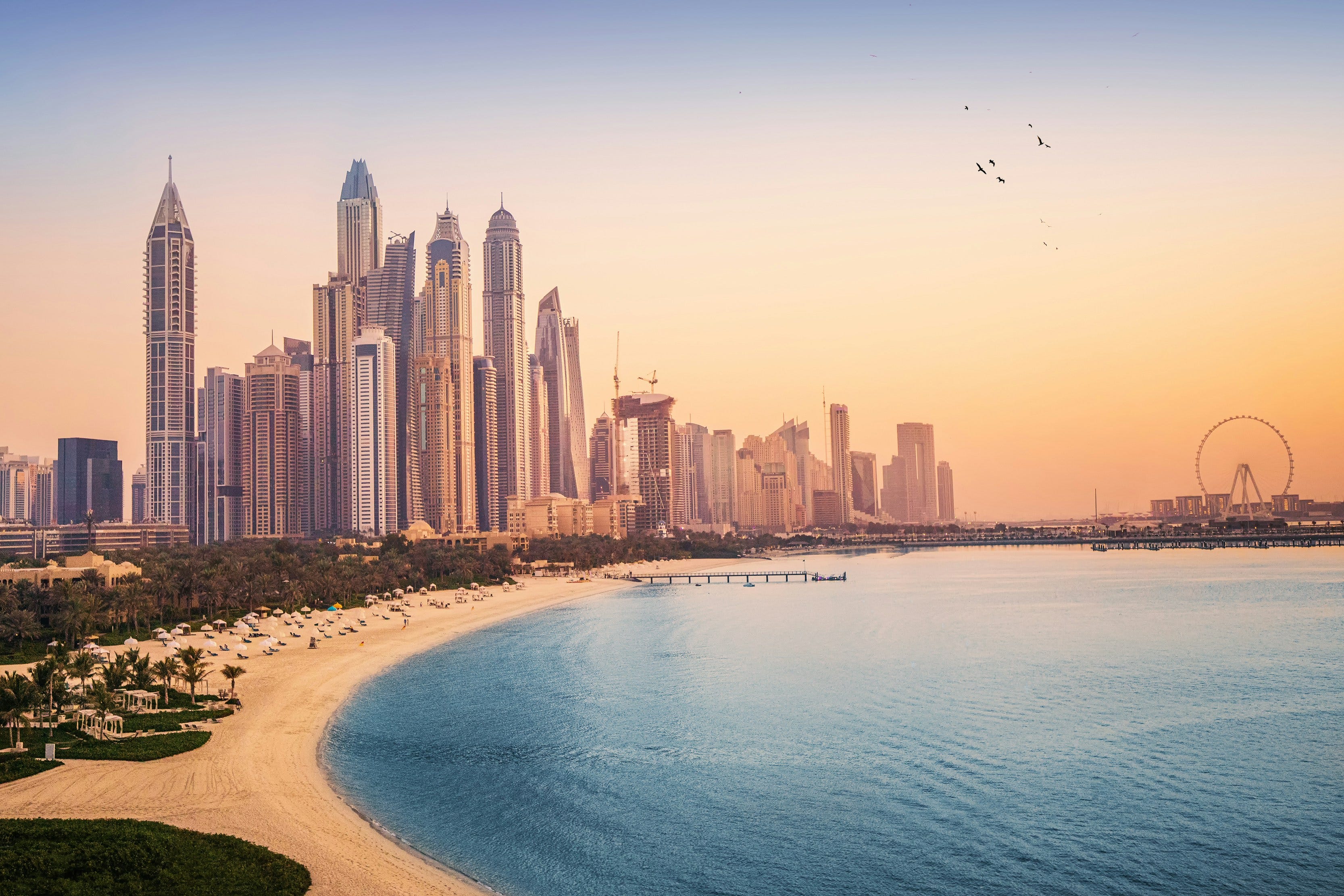
The UAE is not the expensive option. Most people assume it is. In reality, for a good life where you watch your spending, it can be cheaper than Portugal and sometimes Cyprus, because you don’t need to overspend on the basics. Europe ends up more expensive than you’d expect, and that partly applies to Malta too.
$5M is a lot and not much at the same time. People at this level often say $5M is the new poor. Once you account for a main home and maybe a second one, a large part is already gone, and what’s left produces less income than people imagine. I think that’s half the picture. In the right country with the right structure, $5M is also more than enough to live extremely well and effectively retire. Both are true, and which one you get depends on where you land and how you’re set up.
Tax isn’t the main thing. The biggest lesson from watching friends make these moves is that tax optimization matters but never decides the question on its own. I know people who would technically be better off in Switzerland from a tax perspective and who choose to spend more time elsewhere anyway. I know someone with more than $5M who moved to Thailand partly for tax reasons, complains constantly that he doesn’t enjoy the lifestyle, and is now considering moving back somewhere with higher taxes.
So this is all much more relative than people make it sound. Once you have enough liquidity you have some flexibility to structure things and adapt as you go. But there are people who can be happy almost anywhere, and there are people who won’t be happy unless they optimize for the life they actually want.
It’s not Dubai for everybody.
Reply and let me know which of these you’re considering, or which one I missed. And if you enjoyed this, click the ❤️ button and restack so more people can find it.
Stay free,
Ale
What do you think of the 7% tax rate if you move to a small municipality in Southern Italy and have a foreign pension?
How about living between 2 countries of your choice and not have to deal with taxes, visas, etc? Live on a tourist visa, keep your assets in the US, for example, and remain invisible to both countries tax system and bureaucracy. But I'm single((divorced), child in college, so properly easier for me than families, in general