
Top Countries for Bitcoiners: The Complete 2025 Guide
Banking infrastructure, regulatory clarity, and what actually works in practice

Everyone obsesses over tax rates when choosing crypto-friendly countries.
It’s a factor, certainly. But they're missing a key point.
The reality is that banking infrastructure matters more than headline tax rates.
Take Malta as an example – it offers 0% capital gains tax but sending money from crypto exchanges to Maltese banks means months explaining transactions to compliance officers.
Meanwhile, Switzerland charges wealth tax on your Bitcoin holdings but operates licensed crypto banks where you can custody millions without constant explanations.
So which are the top countries for Bitcoiners in 2025?
Here's a full guide with the info that actually matters…
Wealth Accumulation Strategy (at a price…)
🇦🇪 UAE: Infrastructure That Works

Zero personal tax and zero capital gains tax – most are aware of this by now.
But that's not what makes the UAE special.
What sets the UAE apart is functional crypto infrastructure built through clear regulatory frameworks. VARA (Virtual Asset Regulatory Authority) provides licensing for exchanges and crypto businesses, that’s why major platforms like Binance, Kraken, and Crypto.com are operating there with ease.
Plus…
25% of UAE residents own crypto - they have among the highest adoption rates globally. This infrastructure enables Bitcoin real estate purchases, something impossible in most jurisdictions.
Also, the 2023 corporate tax (9% on profits over AED 375,000) doesn't affect personal crypto holdings.
As a matter of fact, Dubai has became “the standard” for crypto capitals, right now.
But the limitation is permanence – no citizenship path exists, leaving you visa-dependent indefinitely. Cost of living is also higher here than other potential locations.
🇨🇭 Switzerland: Crypto Valley

Switzerland offers zero capital gains tax for individual investors, treating crypto like other private assets.
However, canton-level wealth tax applies annually at rates typically between 0.1-1% depending on your location and holdings, creating ongoing costs for large portfolios.
The compensation for this wealth tax like the UAE comes through superior crypto infrastructure.
Licensed crypto banks like Sygnum and SEBA handle institutional custody and provide banking services that traditional banks often refuse. This access extends to government integration - Zug canton accepts tax payments in Bitcoin.
Living costs also reflect this premium infrastructure…
Switzerland has among the world's highest expenses. Lump-sum taxation arrangements are available for wealthy individuals (typically requiring annual payments of CHF 450,000+), which can make sense for those with significant crypto holdings seeking Swiss residency.
If you appreciate safety, colder weather and perhaps you look for a place with a family, you may like Switzerland.
🇸🇬 Singapore: Family Option
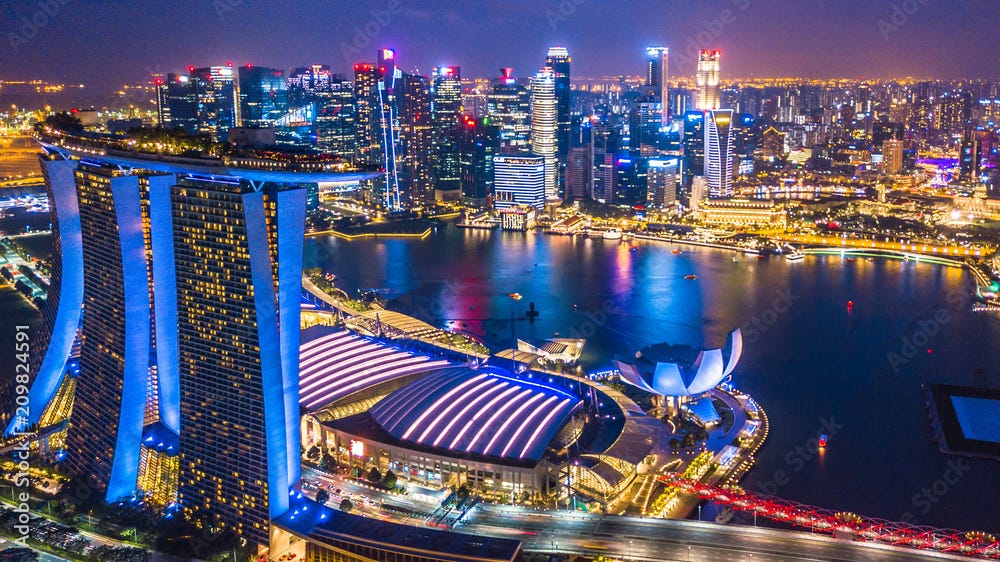
Singapore has zero capital gains tax, making crypto gains tax-free if you're investing rather than trading as a business.
This distinction matters as you must prove trading isn't "business-like" to avoid income tax up to 22%, with the burden of proof falling on you to demonstrate casual investment versus professional trading.
Singapore like the other two in this category offers excellent infrastructure, rule of law, and English-speaking environment as compensation for very expensive living costs and difficult immigration requirements unless you're highly skilled or wealthy – even then it can be practically impossible.
But like Switzerland, if you’re looking for a location for you and your family then Singapore is hard to beat.
European Strategy
🇵🇹 Portugal: European Crypto Hub

Portugal offers zero tax on crypto gains held over one year, with a 28% flat tax on gains under 365 days – which makes it one of the best options in Europe for long term holding.
Worth noting that converting to stable coins doesn't constitute a taxable event
The broader tax structure also eliminates wealth tax and inheritance tax while providing EU access and banking infrastructure.
Multiple pathways provide some of the easiest EU access:
The D7 visa for passive income holders (approximately €8,760 annual income requirement), D8 digital nomad visa for remote workers, or the Golden Visa requiring €500,000 fund investment for those seeking investment-based residency. However, the landscape is shifting – recent proposals suggest extending citizenship timeline from 5 years to 10 years.
The challenge that catches many people is that Portuguese banks remain cautious about crypto transfers due to EU de-risking policies.
Overall, EU citizenship is valuable but the banking friction and constant regulations could be frustrating for active traders.
If you are serious about securing the current terms for the Portugal Golden Visa pathway, we at Bitizenship have created an innovative solution combining EU residency with Bitcoin – allowing you to invest the €500K requirement while acquiring exposure to Bitcoin.
Schedule a free consultation call.
We’ll give you our unbiased take and discuss the pros and cons to determine if this is a fit for you.
For this fund, only a few spots remain.
🇩🇪 Germany: The One-Year Rule

Germany treats crypto like art or collectibles with a simple rule:
Hold for one year, and any gains become completely tax-free.
This was confirmed by the Ministry of Finance in 2022 and applies to all crypto, including staking rewards.
Hold Bitcoin for 366 days, sell for any amount, pay zero tax. Short-term trades (under one year) get taxed as income up to 45%, though there's a €1,000 annual exemption for small transactions.
The administrative requirement is thorough record-keeping.
Tax compliance demands proof of purchase dates, transaction records, and wallet addresses. For long-term holders willing to maintain proper documentation, the tax savings make the paperwork worthwhile.
Additional benefits include EU residency rights, access to institutional banking, and citizenship eligibility after 6-8 years depending on circumstances.
Lifestyle Arbitrage
🇹🇭 Thailand

Thailand approved a formal 5-year personal income tax exemption on profits from crypto trading conducted through platforms licensed by the Thai SEC (2025–2029), replacing earlier proposals about remittance windows. Only trades on regulated exchanges qualify – offshore or unlicensed platform profits don’t.
The LTR visa offers 10-year residency for wealthy individuals ($1M+ assets, $80K+ income), providing long-term stability for this approach.
Outstanding lifestyle benefits include tropical climate, excellent food, affordable cost of living, and large expat communities.
Banking compliance varies by institution so this will require careful selection and research.
🇺🇾 Uruguay
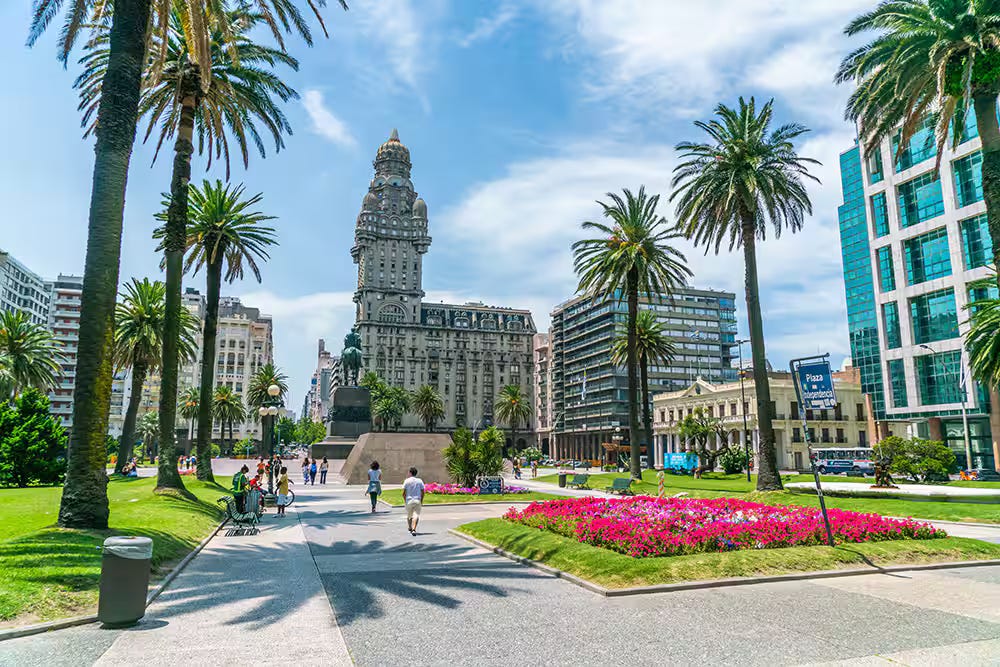
Uruguay offers new residents a 5-10 year tax holiday on all foreign income – one of the best setups in the world.
After that, local crypto gains face 12% tax but foreign gains remain exempt. Residency access through property investment (approximately $380,000) or meeting income requirements makes it accessible among South American options with high living standards.
Often called "the Switzerland of South America" it’s stable, safe, and has many quality institutions.
In many ways, it is heavily overlooked but becoming more popular in recent years.
🇨🇷 Costa Rica

Costa Rica operates territorial taxation where foreign crypto trading profits remain exempt, and there's no capital gains tax unless you're classified as a professional trader.
The Central Bank doesn't prohibit crypto use, and local businesses increasingly accept crypto payments.
However, crypto operates in a regulatory gray area without specific legal framework. Banks may impose their own restrictions under general AML rules, creating some practical friction for large transactions.
Residency requires $1,000 monthly income for pensionado status or $200,000 investment. The "pura vida" lifestyle is idyllic in many ways and has reasonable living costs outside hotspots like Santa Teresa.
🇬🇪 Georgia

Georgia explicitly exempts individuals' gains from selling cryptocurrencies from income tax.
So it’s a true zero tax environment on crypto trading profits within a territorial system.
The broader tax structure also includes no wealth tax, no inheritance tax on close family members, and foreign income remains untaxed even for tax residents.
Residency accessibility through visa-free entry for many nationalities lasting 365 days, with tax residency available through spending 183+ days annually or obtaining official residency via property purchase ($100K+) or business establishment.
Combined with low living costs, this has made Tbilisi a growing hub for crypto digital nomads. Though integration beyond the expat bubble requires learning some Georgian and navigating certain regional instabilities and uncertainties.
🇵🇾 Paraguay

Paraguay operates pure territorial taxation where foreign crypto trading profits remain completely exempt.
Permanent residency requires around $5,000 deposit - among the lowest thresholds globally. Abundant cheap electricity has attracted Bitcoin mining operations.
However, the regulatory environment remains underdeveloped with no specific crypto legal framework. So banking services for crypto can be limited, and without Spanish language skills could be tough to navigate.
🇲🇾 Malaysia
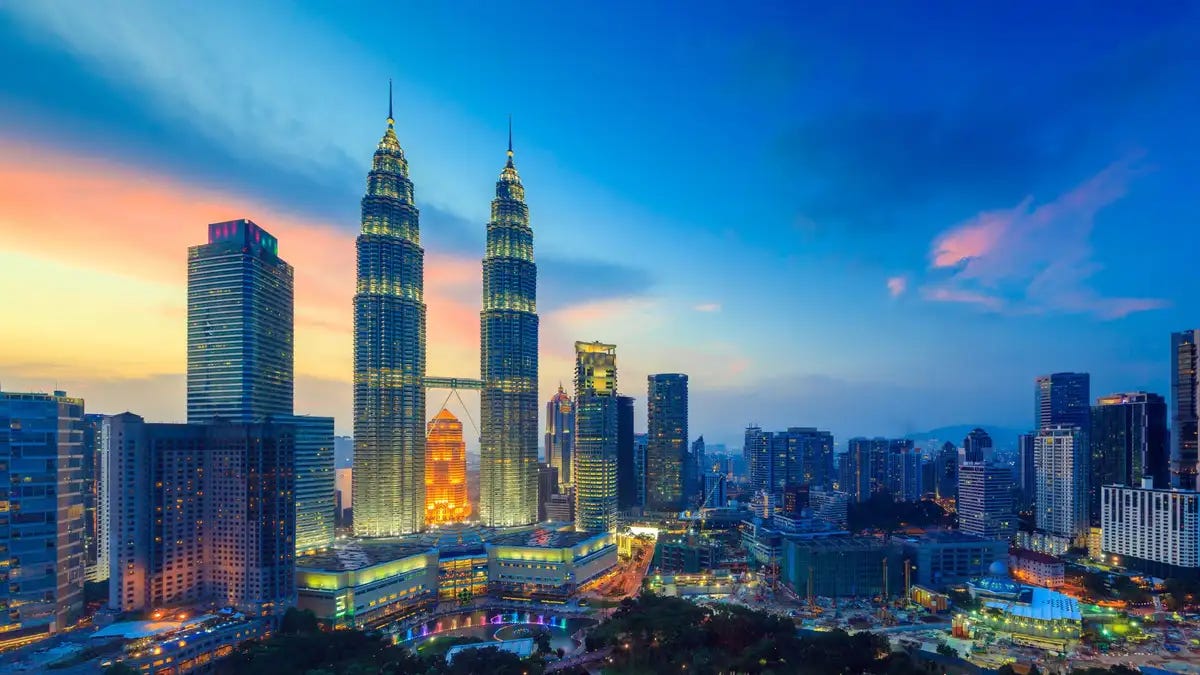
Malaysia eliminates capital gains tax on investments, making crypto gains tax-free. Malaysia also doesn't tax foreign-sourced income for residents, meaning offshore crypto trading remains completely tax-free.
It has become an underrated top spot for expats with the MM2H visa program providing long-term residency options.
But like many others, it has limited specific crypto legislation, and traditional banks maintain conservative policies toward crypto transactions.
🇵🇦 Panama
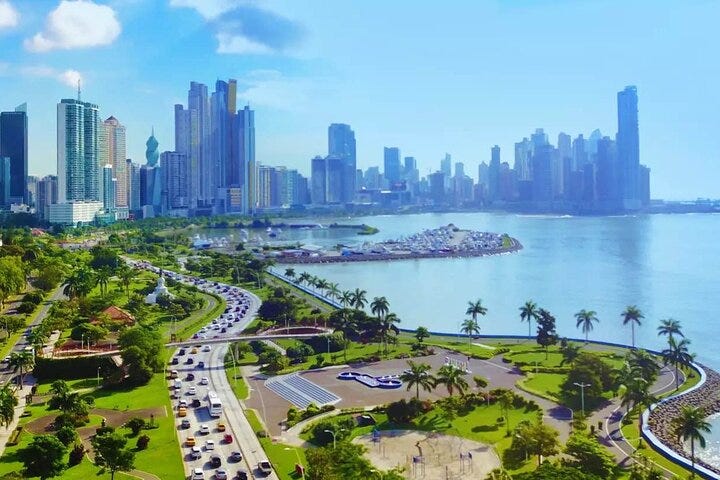
Panama also exempts foreign income from taxation so offshore crypto trading profits are tax-free for residents.
The Friendly Nations visa provides permanent residency for citizens of 50+ countries through minimal investment. USD currency usage eliminates exchange rate concerns.
Banking infrastructure is relatively sophisticated due to Panama's traditional offshore financial sector. Panama City's council made history in 2025 by allowing municipal taxes to be paid in crypto.
However, regulatory uncertainty means operating in a legal gray area, with Spanish language requirements and bureaucratic processes potentially being a challenge for some expats.
Travel Freedom Strategy
Caribbean Citizenship Programs
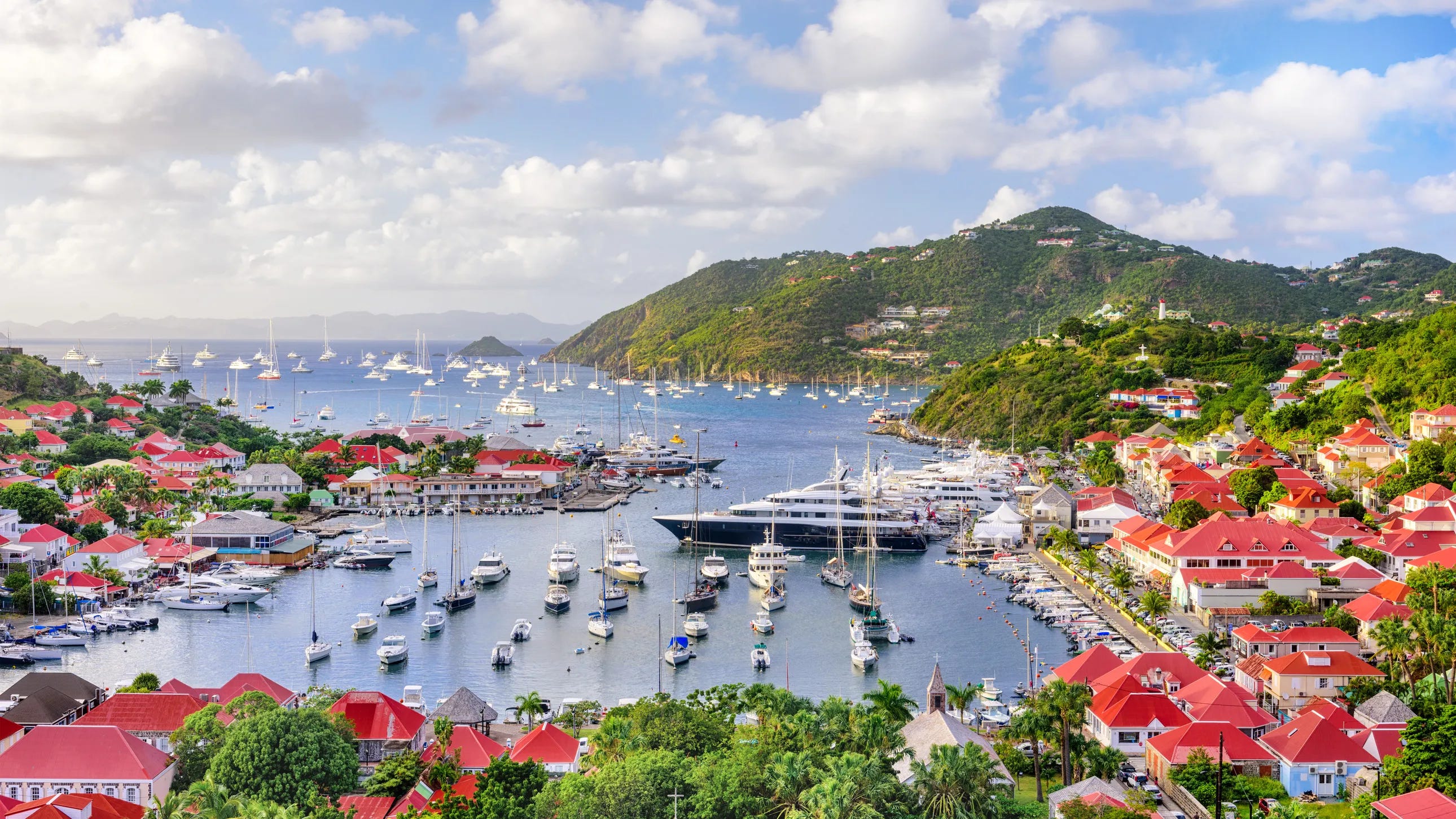
Multiple citizenship-by-investment programs offer immediate passport access combined with zero tax jurisdictions – some are well known.
But each program faces different regulatory pressures while offering distinct advantages for crypto holders seeking travel freedom.
🇦🇬 Antigua & Barbuda requires $230,000 donation with 6-8 months processing. It maintains lower regulatory scrutiny compared to other programs while offering more livable conditions than most Caribbean options, making it attractive for those seeking discretion.
🇩🇲 Dominica provides the cheapest option at $200,000 donation but has lost UK visa-free access and faces potential loss of Schengen access due to EU pressure on citizenship programs, reducing its travel utility.
🇰🇳 St. Kitts & Nevis costs $250,000 donation as the longest-running program but faces constant scrutiny and periodic restrictions due to its high profile and regulatory attention from international bodies.
🇬🇩 Grenada stands out as the only Caribbean program offering US E-2 visa treaty access, providing unique benefits for those wanting US business opportunities alongside Caribbean tax benefits.
The fundamental trade-off remains consistent:
Passport freedom versus practical livability. Most Bitcoiners use these programs for travel flexibility rather than daily residence, given limited banking infrastructure outside tourism zones.
🇮🇲 Isle of Man

The Isle of Man eliminates capital gains tax entirely, including on crypto investments. They also have zero wealth tax and zero inheritance tax, while capping income tax around £200,000 annually for high earners.
These tax benefits align with a comprehensive regulatory environment. The Digital Assets Business Act 2021 provides framework for crypto businesses, earning the nickname "Blockchain Island" and attracting numerous crypto startups and funds seeking legal certainty.
The practical reality is a VERY quiet island living with population under 90,000 between Ireland and UK. Under the radar for sure. Could be a top option but won’t be right for everyone.
Experimental/Pioneer Strategy
🇸🇻 El Salvador

El Salvador made headlines as the first country to adopt Bitcoin as legal tender in 2021. However, starting January 2025, Bitcoin is no longer mandatory legal tender – businesses aren't forced to accept it, and government transactions must use USD.
The government remains crypto-friendly, with zero capital gains tax for individual traders, though tax payments and official business cannot be conducted in Bitcoin.
The "Freedom Passport" offers citizenship for $1 million Bitcoin investment with reported processing times of 6-12 months, though the program is capped at 1,000 investors annually.
Supporting this infrastructure, they implemented pure territorial taxation where only local income gets taxed. Future development includes Bitcoin City, planned as a special economic zone with zero income, property, and capital gains taxes.
Próspera, Honduras
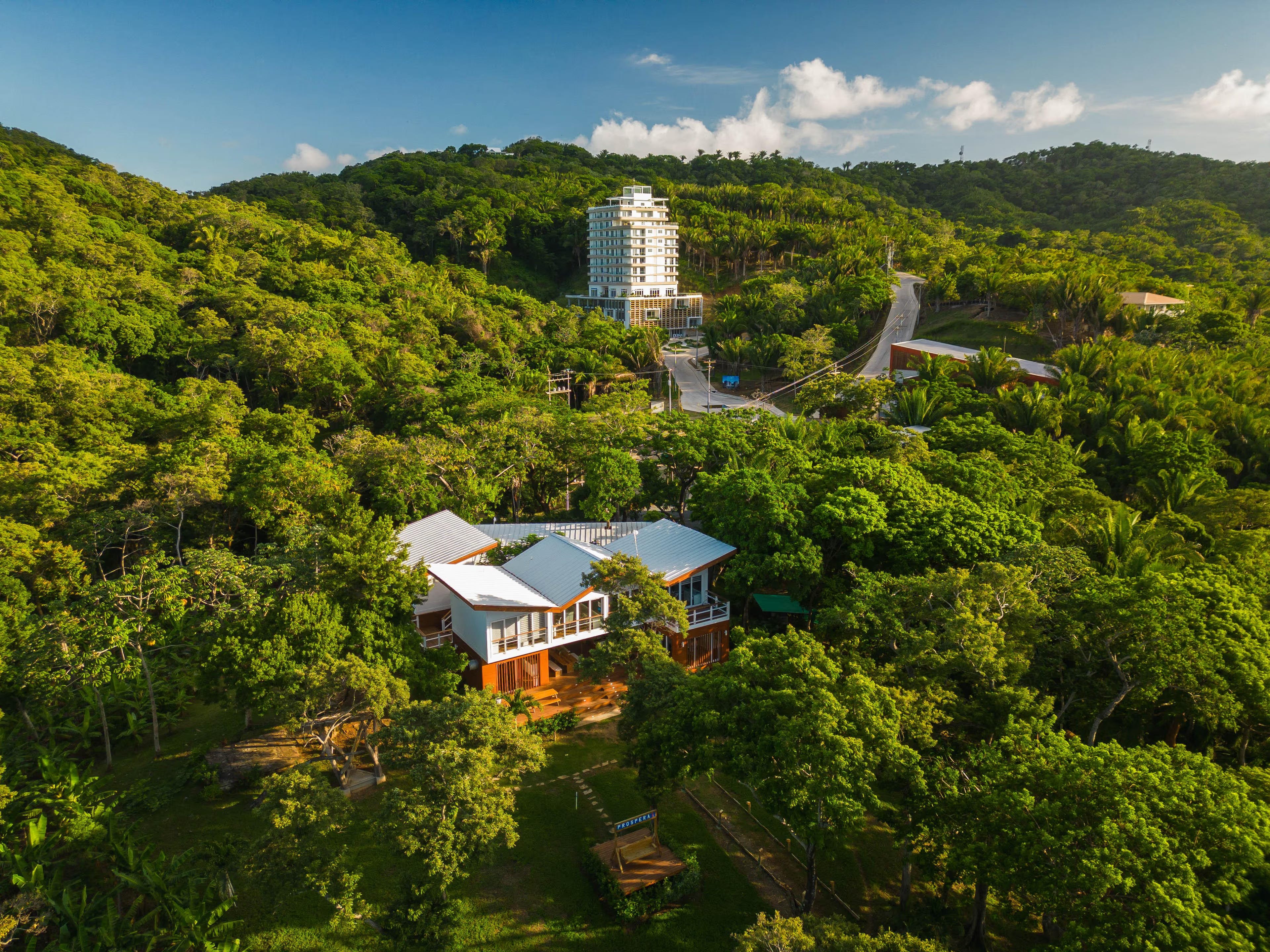
Próspera operates as a special economic zone in Honduras with its own legal system. Bitcoin became legal tender in April 2022, creating a Bitcoin-native jurisdiction.
The tax structure is deliberately simple:
5% personal income tax, 1% business tax, 2.5% VAT, 1% land value tax. No capital gains taxes, wealth taxes, or inheritance taxes exist.
Supporting this tax environment, business incorporation takes 24 hours online, while e-residency and work visas are available for the zone located 20 minutes from international airport.
Tim Draper called it "the best place to do business on the planet," with over 40 nationalities already living there. You're essentially beta-testing a startup city with Bitcoin economics - super exciting if you're an early adopter.
🇺🇸 US-Specific Strategy
🇵🇷 Puerto Rico: US Citizens Only
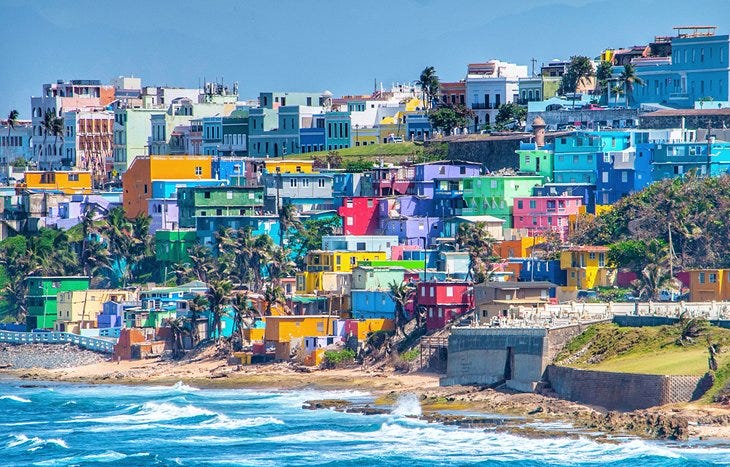
Puerto Rico offers US citizens exclusively 0% tax on capital gains from crypto under Act 60 for bona fide residents, creating the only way for Americans to legally eliminate crypto taxes without renouncing citizenship.
The requirements are strict:
You must purchase crypto after becoming a PR resident to be fully exempt from federal taxes, maintain actual residency (183+ days annually), and make annual charitable donations to maintain benefits. Export service companies pay only 4% corporate tax, with dividends to PR residents remaining tax-free, creating opportunities for crypto-related business structures.
Political risk looms large though…
US Congress is actively considering legislation to end the crypto tax breaks by applying federal taxation to PR residents' crypto gains, which could eliminate the primary benefit and strand relocators.
But for now, it is the top option for US citizens.
The 2025 Bitcoiner Reality Check
Crypto relocation has matured beyond chasing headline tax rates.
What’s required now: comprehensive evaluation of banking infrastructure, regulatory stability, and focus on practical implementation.
UAE, Switzerland, Singapore, and Germany exemplify functional banking with reliable crypto-to-fiat services and established compliance procedures that prevent account freezes and regulatory problems.
But these often come at a price.
In contrast, Malta, Costa Rica, and many Caribbean islands struggle with international banking relationships, leading to frequent account closures and compliance nightmares that can trap your wealth regardless of tax benefits.
The practical lesson is clear…
A 5% tax jurisdiction with reliable banking consistently beats 0% tax with frozen accounts.
What's your experience navigating crypto-friendly jurisdictions? Which strategy resonates with your situation?
Reply to this email and let me know where you are in your journey – I read and will respond to every message personally.
And if you enjoyed reading this post, feel free to click the ❤️ button and restack so more people can discover it on Substack! 🙏