


I’ve been mapping Italian relocation strategies for months now.
The interest in Italy seems to keep growing.
Milan for the €200k flat tax people. Southern villages for the 7% retiree program. Bologna, Rome, smaller towns for the 50-60% exemption.
There’s some amazing “hidden” opportunities there. Especially in the South.
But then my friend, Timur (he posts amazing content on X, check him out!), pointed to something that made me completely rethink the whole map again.
The Italian Riviera border towns. The three-country triangle.
I’d missed this entirely. And honestly, I’m kind of surprised at myself for not seeing it sooner.
Here’s the potential gamechanger:
The Setup
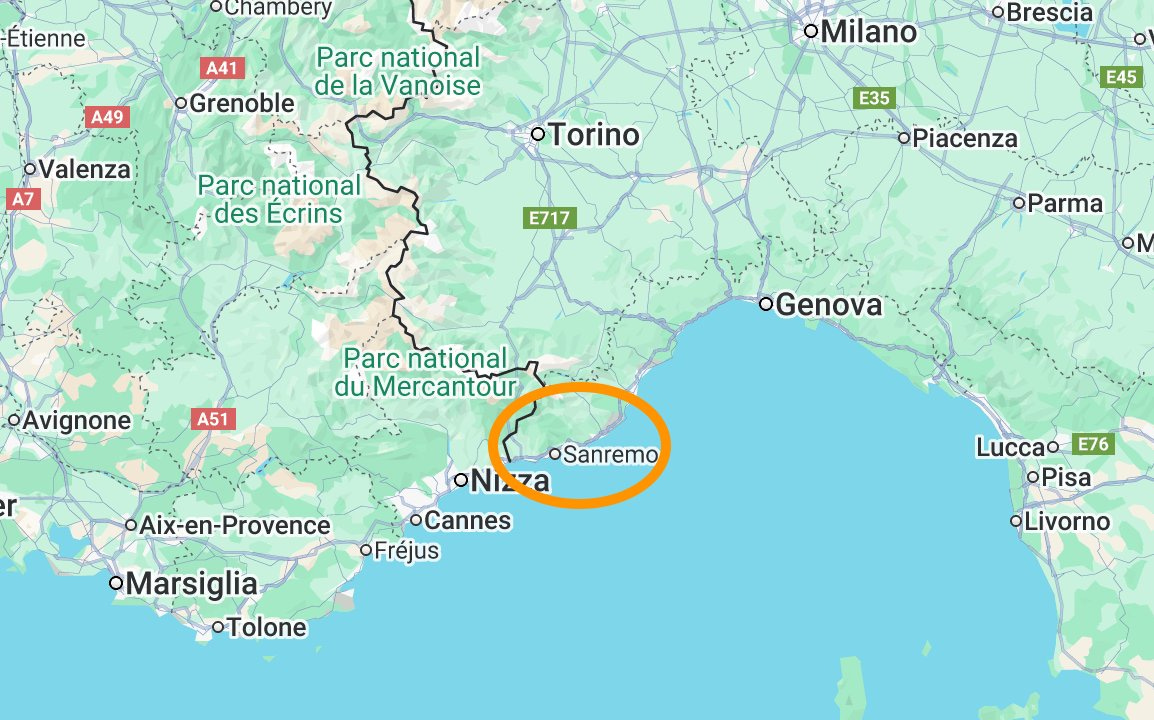
Sanremo, Bordighera, Ospedaletti, Ventimiglia.
Italian towns on the Ligurian coast. But here’s what makes them different from every other Italian coastal option:
France is 15 minutes across the border. Monaco is 40 minutes away.
Timur’s point was simple: you get similar elegance to the Côte d’Azur at a fraction of the price. A sea view villa in Sanremo runs around €600k. The same thing in Cannes costs... well, significantly more.
But what really caught my attention was the three-system access.
You live in Italy, so you get Italian tax residency. The 50-60% impatriate exemption I wrote about before applies here – effective tax rate of 9-15% if you qualify for it.
You shop in France. Fifteen minutes and you’re at a Carrefour where grocery prices make more sense than Italian supermarkets (some will say they’re better…I would need more convincing…).
You network in Monaco. Forty minutes and you’re in a zero-tax jurisdiction where serious European money lives and does business.
Portugal gives you Portugal. Spain gives you Spain. Even Switzerland, you’re fundamentally operating in one system despite the borders.
But this? You’re actually moving between three different jurisdictions depending on what you need.
Three tax systems. Three cost structures. Three business cultures.
I’d completely overlooked this possibility.
Why This Should Interests You
The Italian tax regimes I’ve been writing about – the 7% for retirees, the 50-60% exemption for working professionals, the €200k flat tax for high earners – they all work from any Italian location.
But most people assume you have to choose:
Milan for business energy, southern villages for lifestyle, Rome for culture.
What Timur pointed out is that the Ligurian border creates a different option entirely.
You’re not giving up proximity to France and Monaco to get Italian tax treatment. You’re getting both.
Say you qualify for the impatriate regime. You’re paying 9-15% effective tax on your income. You’re living in a Mediterranean coastal town. And you’re 40 minutes from Monaco where you can show up to events, build relationships, stay connected to that world.
Then you go home to a place where your property costs 1/10th what it would cost in Monaco and your monthly living costs are a fraction.
The access without the overhead.
That’s the part I hadn’t considered when thinking about Italian options.
The Unknowns
Here’s where I have to be honest about the limits of what I can tell you.
I don’t have personal experience living in these towns. I haven’t spent time in Bordighera or Ventimiglia. I haven’t tested whether the three-country optimization works smoothly in practice or creates daily friction.
What’s winter like there? Liguria is supposed to have year-round mild climate, but I can’t tell you what it actually feels like to live through December and January on that coast.
Who’s actually living there? The profile matters. Are these people who tried Monaco and found it too expensive? People who tried Milan and found it too intense? Remote workers who just discovered the area?
How do the individual towns compare? Sanremo is the largest at around 55,000 people. Bordighera is much smaller at maybe 10,000. Does that difference matter for daily life? For social dynamics?
Is there an international community or is it mostly Italians?
These are real questions I can’t answer yet because I haven’t lived it.
What I can tell you is that the strategic logic makes sense. The tax math works. The geographic positioning is unique. The property price differential exists.
Whether the lived experience matches the paper strategy – that’s what I’m trying to figure out.
The San Felice Connection
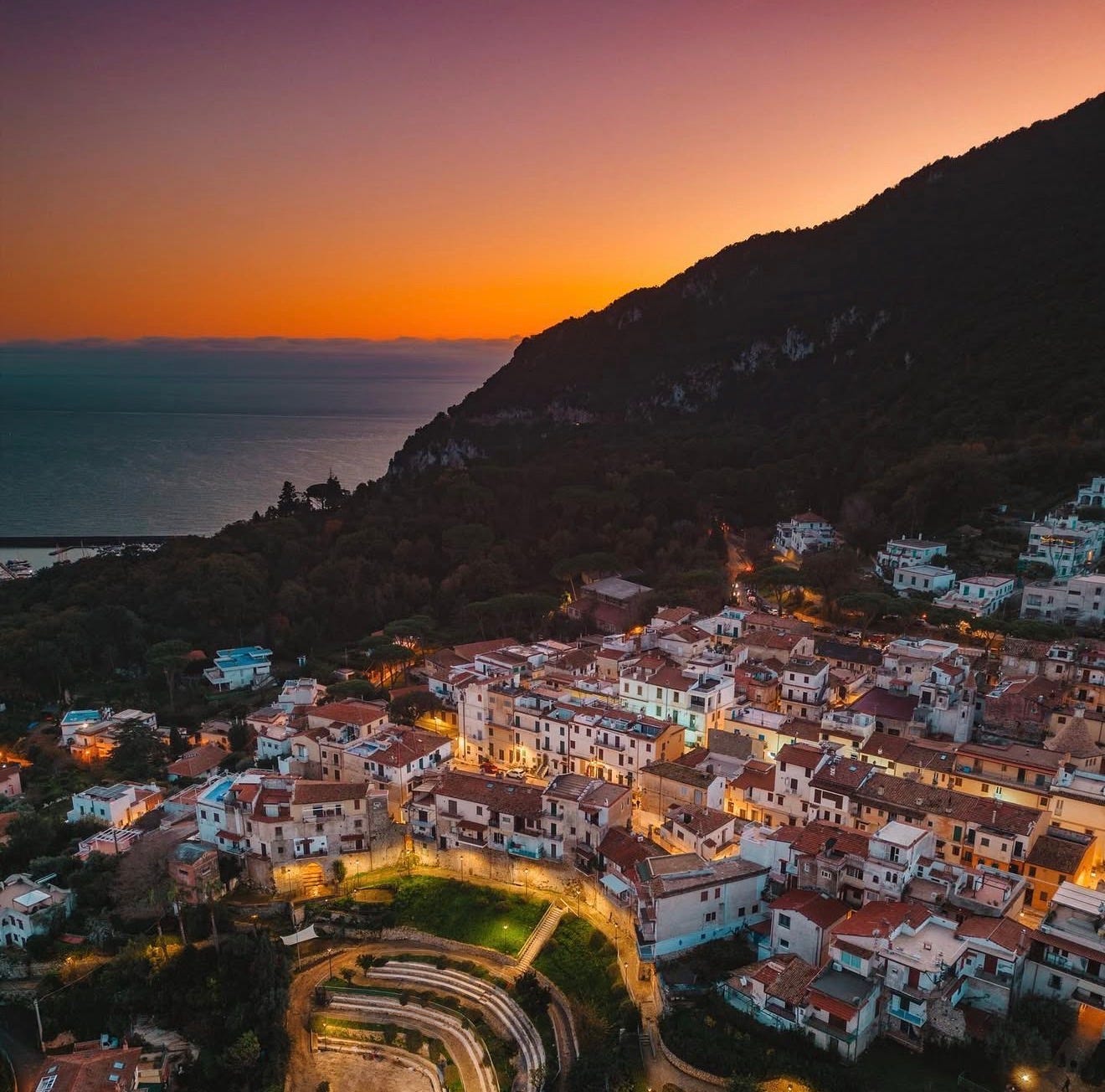
This whole line of thinking got me reflecting on another Italian coastal area that almost nobody talks about.
San Felice Circeo.
I grew up spending summers there. It’s about 100km south of Rome, less than two hours now. When I was a kid, that drive felt like an eternity. These days with better cars and roads, it’s nothing.
The area has this full Mediterranean immersion quality. Roman ruins, crystal-clear water, sunsets that feel suspended between myth and reality. The mountain silhouette is supposed to resemble Circe from Homer’s Odyssey – the sorceress. According to legend (Virgil’s version included), this is the actual island Homer wrote about.
Whether that’s historically accurate or not, there’s something mythic about the place that you can’t fake. It’s in the atmosphere.
The property prices compared to international coastal markets are kind of absurd:
Small villas around €250k. Elegant ones around €600k. For a beachfront mansion-level property with 600 sqm interior and 5,000 sqm garden, you’re looking at $2.5M+.
There’s a villa example that stuck with me: €690k for 200 sqm plus a 1,500 sqm garden, fully renovated, AC installed.
Compare those numbers to what you’d pay in Lisbon. Or Nice. Or anywhere on the Côte d’Azur.
What’s genuinely shocking about San Felice is how invisible it is online. You can barely find photos. No hype. No influencers. It’s like the internet just never landed there.
The Seasonal Reality
But from my experience, San Felice isn’t ideal for year-round living.
For a few months a year though? It’s perfect.
You live right on the beach. You’re close enough to Rome – two hours – for when you need city access, business meetings, culture, whatever. But you’re far enough away that you’re not dealing with Rome’s chaos and intensity daily.
Summer is full Mediterranean life. Winter gets quiet. Probably too quiet for most people who need constant energy and activity.
But as a second base? As a place you own and use seasonally? The economics make sense in a way they don’t for most international coastal markets.
€600k for elegant property that would cost you €3M+ in comparable locations.
The Opportunity
Both the Ligurian border towns and San Felice show the same pattern I keep seeing in Italian coastal real estate.
They haven’t absorbed global demand the way Portugal or Spain did.
My working theory on why:
Language matters here. You need Italian for daily life in these areas. Not optional. You can’t just show up speaking English and expect everything to work like it does in Lisbon or Barcelona.
Italian bureaucracy scares people. The tax regimes exist and they’re genuinely favorable. But navigating them requires a good commercialista and patience with Italian administrative systems. It’s not plug-and-play the way Portugal’s NHR was.
Lack of awareness. Most people hear “Italian coast” and think Amalfi or Portofino or Cinque Terre. They don’t know Sanremo exists. They’ve never heard of San Felice Circeo. The information just isn’t circulating in expat communities the way Portugal information did.
Seasonal assumptions. People assume Italian coastal areas are summer-only. That’s not true for Liguria based on climate data (though I haven’t validated the lived experience). It’s somewhat true for San Felice.
The complexity creates a filter. Which keeps prices lower. Which creates the opportunity for people willing to do the work to navigate it.
Who This Could Work For
Based on the strategic logic, not testimonials I don’t have:
The Ligurian border towns could work if:
You earn remotely with genuine location flexibility. You want Italian tax treatment but you value proximity to France and Monaco for shopping, networking, business. You’re comfortable in smaller coastal towns without big-city energy. You think in years and decades, not quarters.
San Felice could work if:
You want a Mediterranean second base you actually use. You need Rome access but not every day. You value places with mythic, historical quality over trendy locations everyone’s posting about. You’re okay with seasonal living patterns. You see the property value gap compared to international coastal markets and that matters to you.
Neither works if you need constant startup hustle, big-city cultural scenes, or systems that work perfectly without friction.
Quick distinction: San Felice I know from childhood – the summer rhythm, the atmosphere, the property dynamics. The Ligurian border towns I’m mapping based on Timur’s insight and strategic logic, but I can’t tell you what it actually feels like to live there year-round. Those are different levels of knowledge.
The Burning Question…
Why are these Italian coastal regions still priced like they haven’t discovered global markets while Lisbon went up 8x in a decade?
The quality is there. The climate works. The infrastructure exists. The tax regimes are genuinely favorable.
I think it comes down to complexity.
Portugal made relocation simple. One program. Clear process. Minimal friction. Prices adjusted to reflect that accessibility.
Italy makes you work for it. Multiple tax regimes with different requirements. Bureaucratic navigation necessary. Language barrier real. Regional differences significant.
That work requirement filters out most people. Which keeps demand lower. Which keeps prices from adjusting.
The question becomes: are you willing to do that work to access the opportunity?
And honestly, another question: does the lived experience match what makes sense on paper?
Because those can be very different things.
Question For You…
If you’re living in the Ligurian border area – Sanremo, Bordighera, Ventimiglia, Ospedaletti – I’m genuinely curious about your experience.
Does the three-country setup work as well in practice as it does strategically? What friction exists that nobody mentions? What’s winter actually like? Social dynamics? Daily logistics?
Same question for San Felice Circeo if you’re there.
Leave a comment or reply and let me know!
If you’re interested in the Italian tax programs that make these strategies work, I’ve written detailed pieces on the 7% retiree regime, the 50-60% impatriate exemption, and the €200k flat tax for high earners.
Check them out here:


And if you enjoyed reading this post, feel free to click the ❤️ button and restack so more people can discover it on Substack! 🙏
Do share your email, interested for Italy