


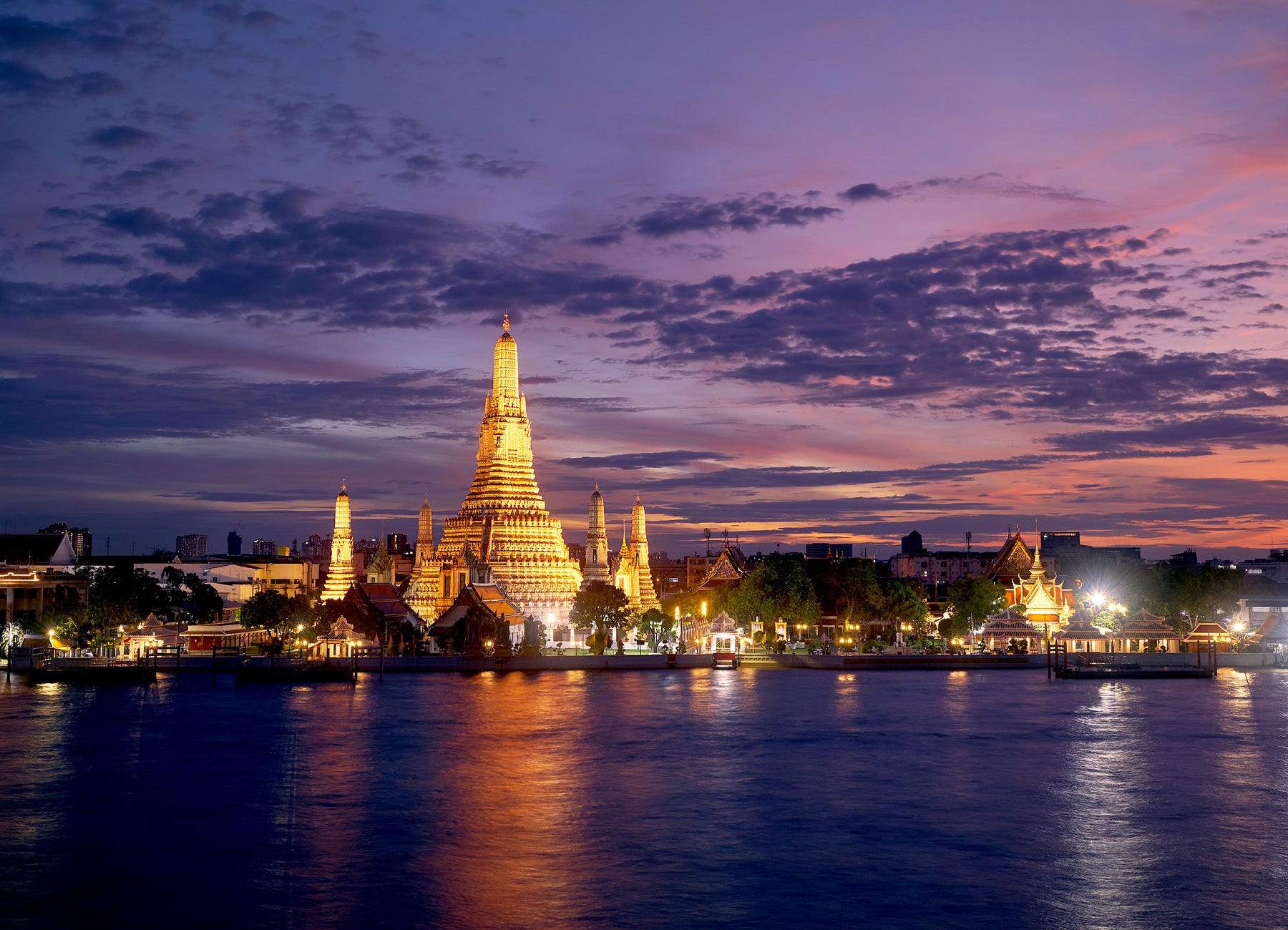
Four years ago, Thailand was the nomad cliché.
Laptop on the beach, world-class pad thai for two dollars, and high-rise apartments for less than $500 a month.
That version still exists. But it’s not the whole story anymore.
I’ve been recommending Thailand for years for a different profile, and many of my friends are there today because they’ve been seeing what I’ve been seeing.
I had long conversations with one of them who lives there, an entrepreneur who moved from Dubai. He’s years deep in monitoring every shift, meticulous person. What started as questions out of curiosity turned into this guide.
So where is Thailand in 2026, tax-wise, migration-wise, and for you reading this? Which cities, where exactly, how to set it up, and the parts few are talking about.
Let’s get into it.
Why Thailand
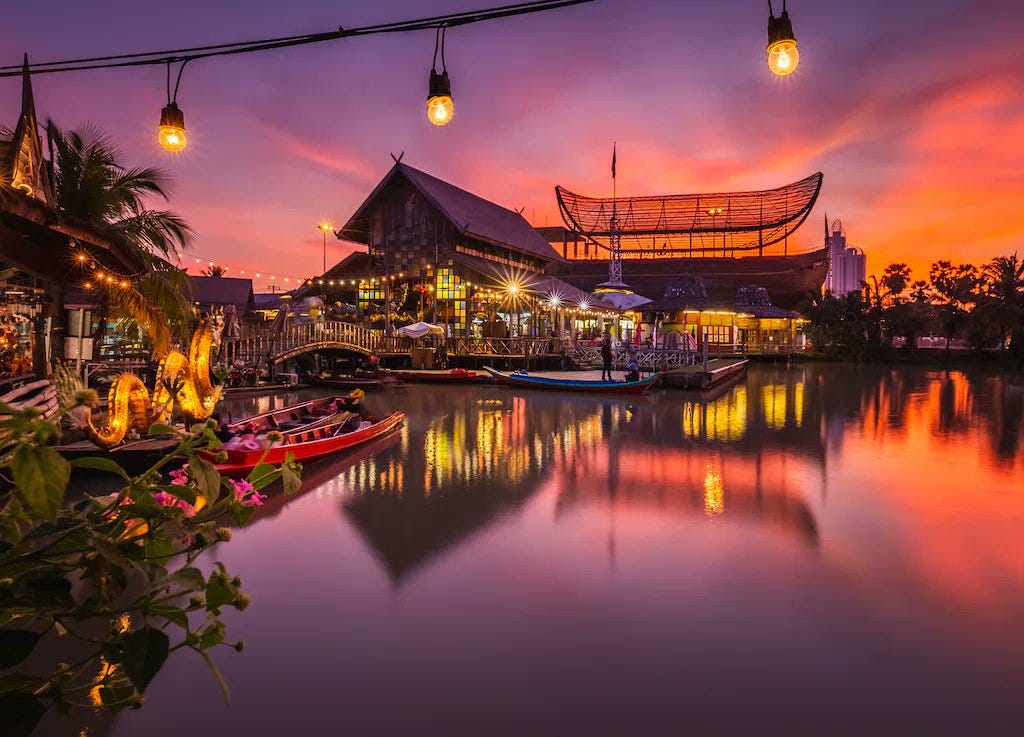
Before we get into the cities, let me explain what actually makes Thailand different.
The way I frame it to entrepreneur friends who ask me where to move: it’s either San Francisco and New York on one end, or Thailand on the other.
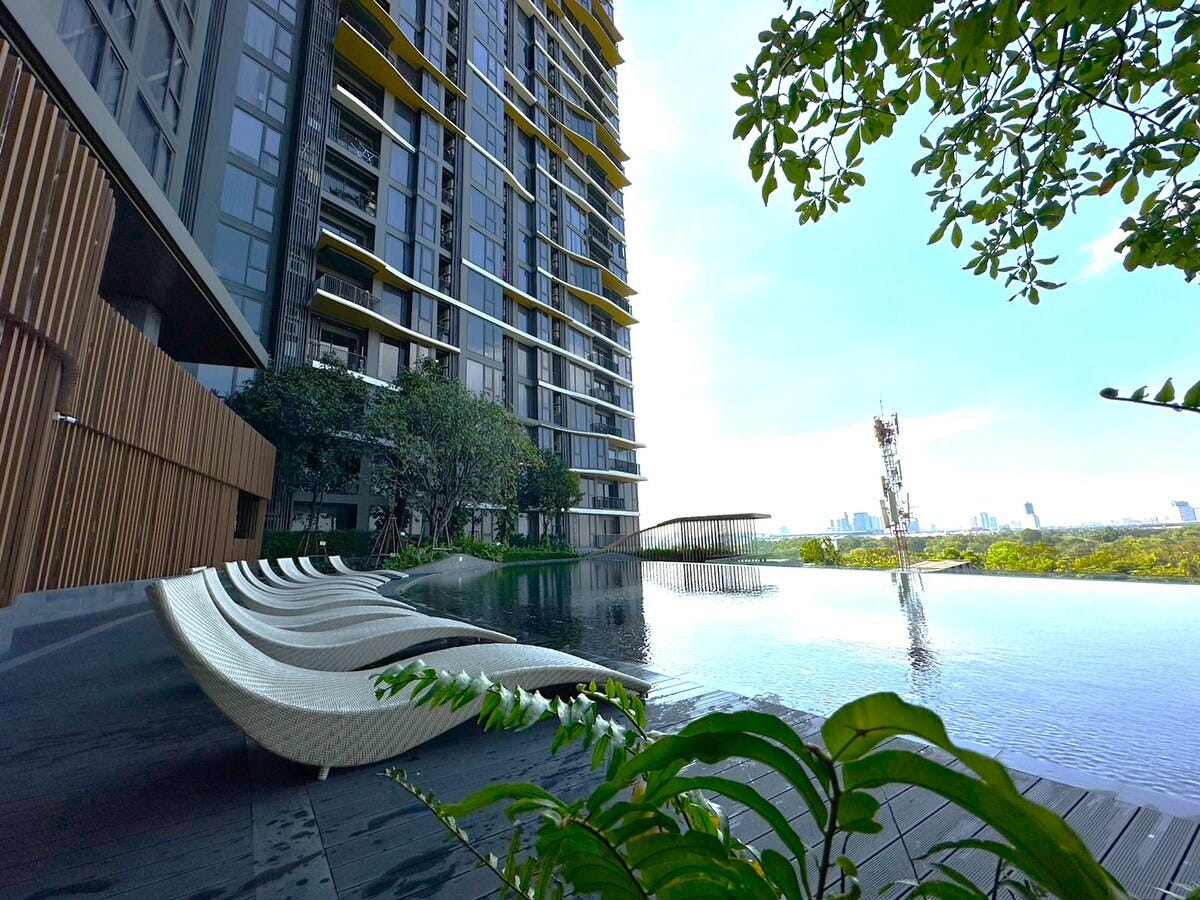
Forget the White Lotus depiction, which offers a rather partial view of the topic. Thailand has become a magnet for serious, performance-oriented people, with families included. At $500 a month you have a studio in a proper skyscraper with sauna, gym and pool. With $2,000-plus a month, a setup that, by experience, 80% of mobile entrepreneurs would be comfortable with.
This is one of the rare cases where a low burn rate isn’t a “poor man’s choice.” Ambitious people choose it on purpose, because it buys time and lets you focus whilst also being surrounded by a high quality network.
The reason for the unique attractiveness is the plug-and-play life. You land, and in two days you have a condo, a gym, a SIM, a favourite noodle place, and gigabit fibre. Grab brings you everything. The 7-Eleven downstairs is open at 2am. You’re set up without thinking about it.
Dubai is similar. But where they differ is affordability.
At $500 of rent, Thailand still works. At $1,500 to $2,000, you get everything you could ever need: the good building in Thonglor or Ari, the view, the concierge, people who are happy. It’s called the land of smiles for a reason.
And nothing around the building costs anywhere near compared to somewhere like Dubai. Breakfast for two dollars. Pad thai for 70 baht, about $2. The massage after the gym costs less than a coffee in Zurich. And all of it is very high quality for the price.
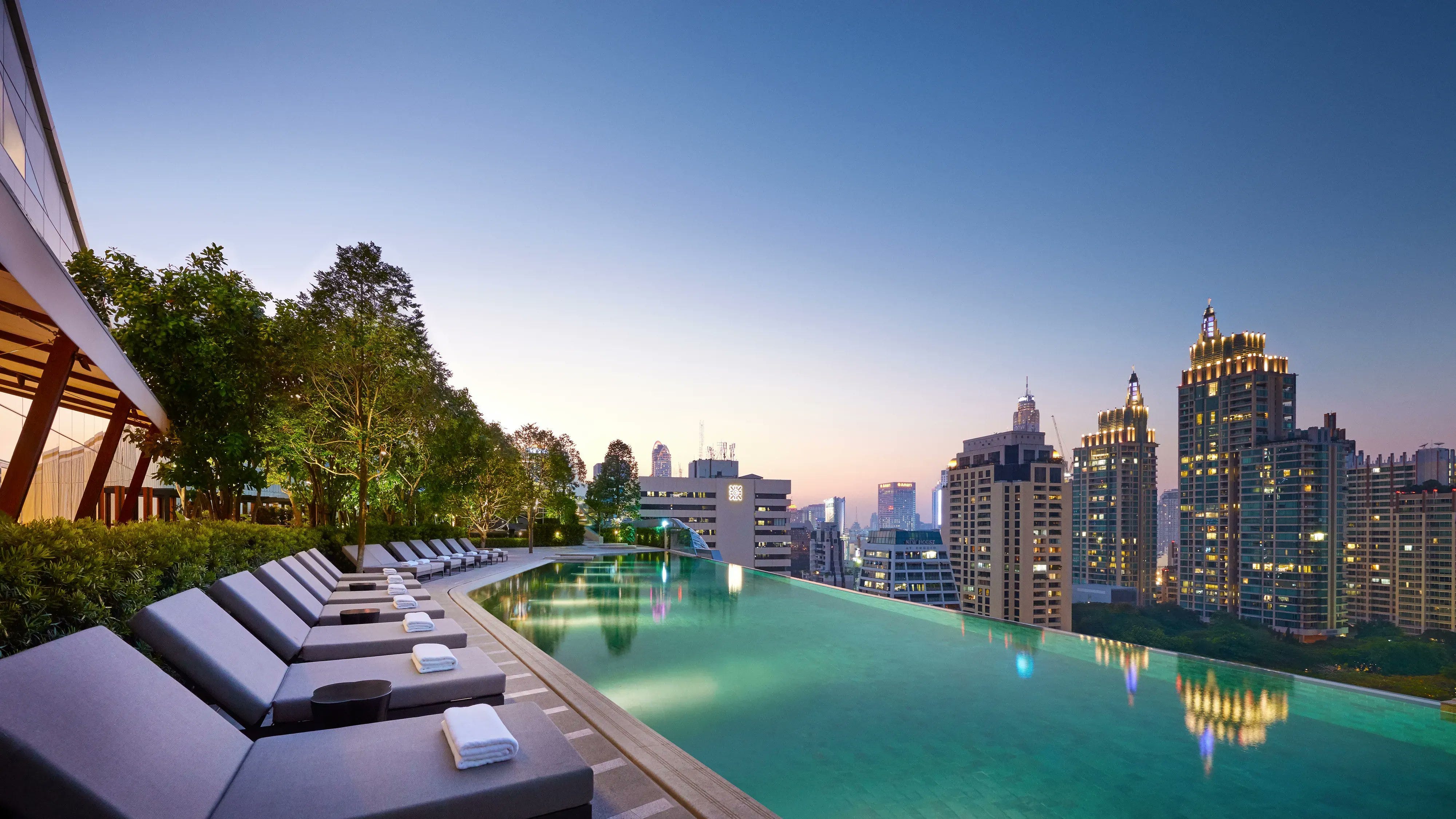
The 2 and 3 bedroom luxury tier goes higher, though still a fraction of Dubai, Singapore or Hong Kong: at around $5,000 a month you get a two bedroom at the Four Seasons residences.
In Europe, even at higher figures, you’re always compromising on something: space, modernity, or something that breaks and eats your time and energy.
Thailand is the opposite of the Mediterranean life I usually write about on this Substack, where frictions are part of the charm. Here, that kind of friction doesn’t exist.
Then there’s the part that’s hard to put into words. A friend explained it like this: everyone lives in the present, not obsessing over the future. You worry less, you compare less, and the low-grade anxiety that big Western cities or a place like Dubai runs on just isn’t there.
You live in an optimistic environment, something common across Asia in general. And for many who suffer it in certain parts of the West: no jealousy and smiles.
Once you experience the whole package, it’s not hard to understand why so many moved there.
So let’s break down the cities you should know about.
Quick pause…
If you’re enjoying this and it has been useful, the paid tier is open for those who want to go deeper. You get at least three in-depth guides a month with the operational layer (exact towns, prices, timelines, and the catches), the full webinar replay library, private community chat, regular AMAs, and a vote on what I cover next. It also funds this work directly.
Founding rate: $19/month locked in for life for the first 300 subscribers. Regular price $29/month after that.
1. Bangkok
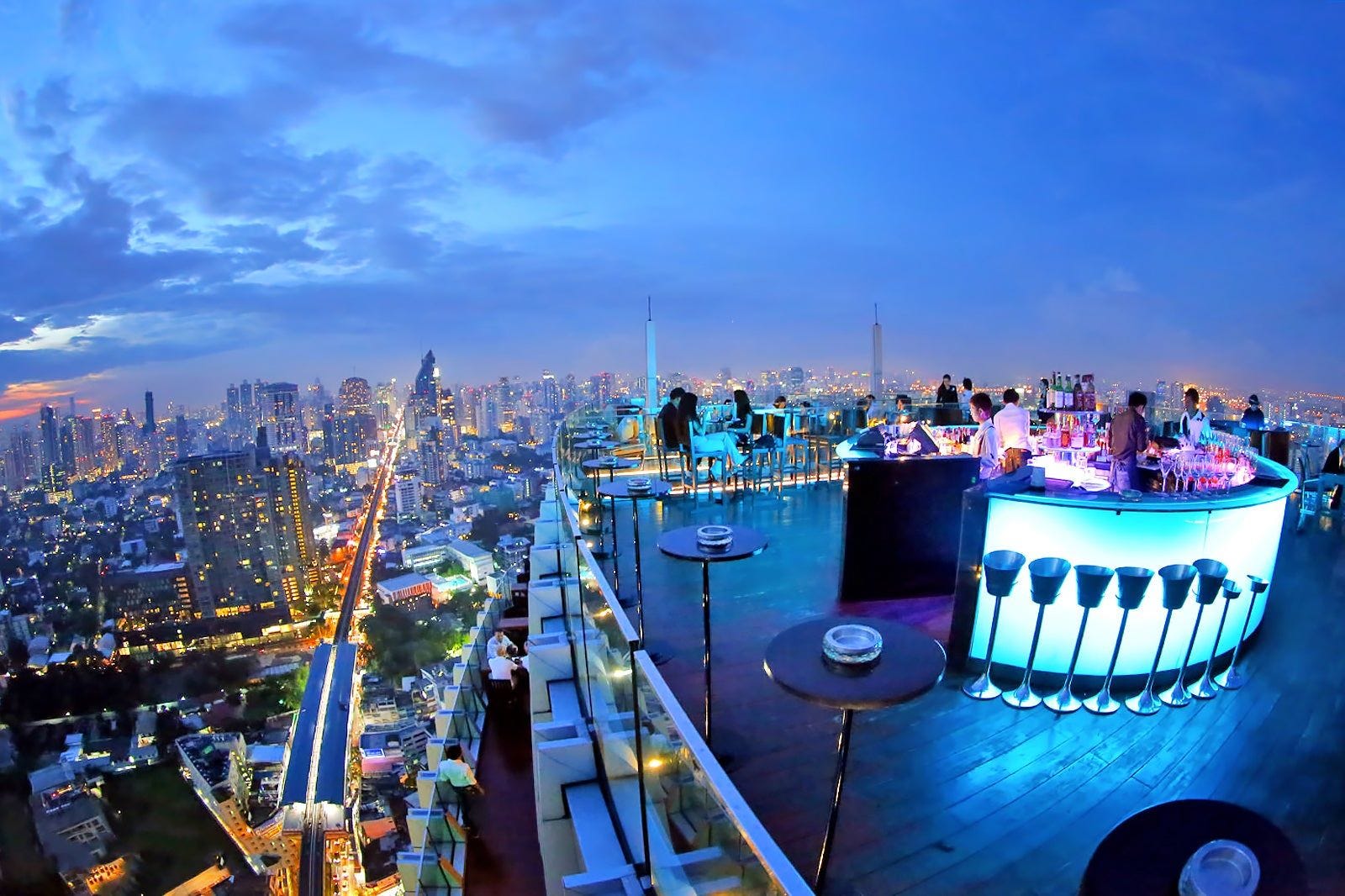
Best for: founders, people who work with Asia, and anyone who wants the city and the airport at the same time.
Let me start with the city you definitely know about: Bangkok.
But forget the chaos image for a second. Bangkok is a city of neighbourhoods on two train lines, and where you live along those lines determines the whole experience.
For anyone who’s never been: the river and the old town sit on the west side, the office district in the middle, and the BTS Sukhumvit line runs east through the neighbourhoods where most foreigners live.
A few neighbourhoods are worth mentioning. Thonglor and Ekkamai, for example, in the middle of the Sukhumvit line, for the people who go out. Founders, finance, the buildings where people actually work from. Phrom Phong, one stop before, for families with the park and the malls. Ari, to the north, the more peaceful, pretty one with cafés and a low-rise feeling. On Nut and Udomsuk, further east on the same trains, a third of the rent. Sathorn and Silom if you work with banks and want to walk to the office. Ratchada and Rama 9 if you want new towers, Chinese food and a lower bill.
Now the rent numbers, which I went through with my friend using the actual listings. At 13,000 to 20,000 baht ($400 to $600) you still find a one bedroom in a new building with pool and gym in On Nut, Ratchada or near Jatujak. Ari runs 15,000 to 25,000 baht ($450 to $750). Thonglor and Ekkamai go 30,000 to 60,000 baht ($900 to $1,800), and at HQ Thonglor or Quattro a one bedroom is $1,500 to $2,000 a month, with concierge, sky pool, and the bars downstairs.
So the $500 tier didn’t disappear, it just moved two BTS stops out, same kind of building and just a bit more walking.
The real advantage is the airport: half of Asia is a few hours away. The way my friend puts it: you take the morning flight to Singapore for the meeting and you’re back for dinner. As a base, he says he loses nothing compared with Singapore, and pays a fraction. Having seen his life there, I believe him.
Why it’s not for everyone: the heat is intense twelve months a year, the air in March is bad, and you will live in air conditioning. If you don’t like that, plus the hustle and bustle, you won’t like Bangkok.
Places to consider: Thonglor, Ekkamai, Phrom Phong, Ari, On Nut, Sathorn, Ratchada.
2. Chiang Mai
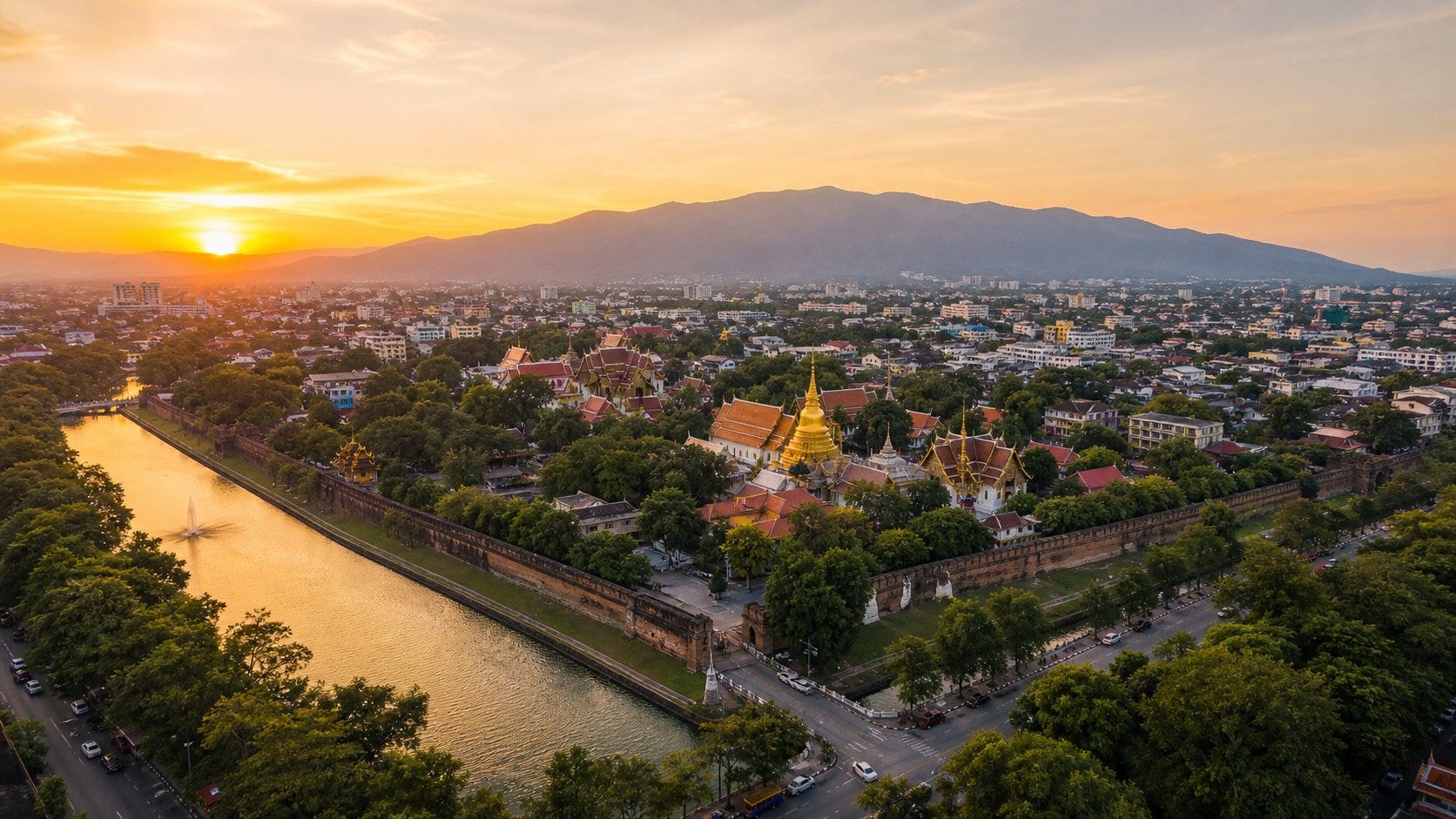
Best for: people who want calm, community, and a very low burn rate.
Now the other city everyone’s heard of, for different reasons.
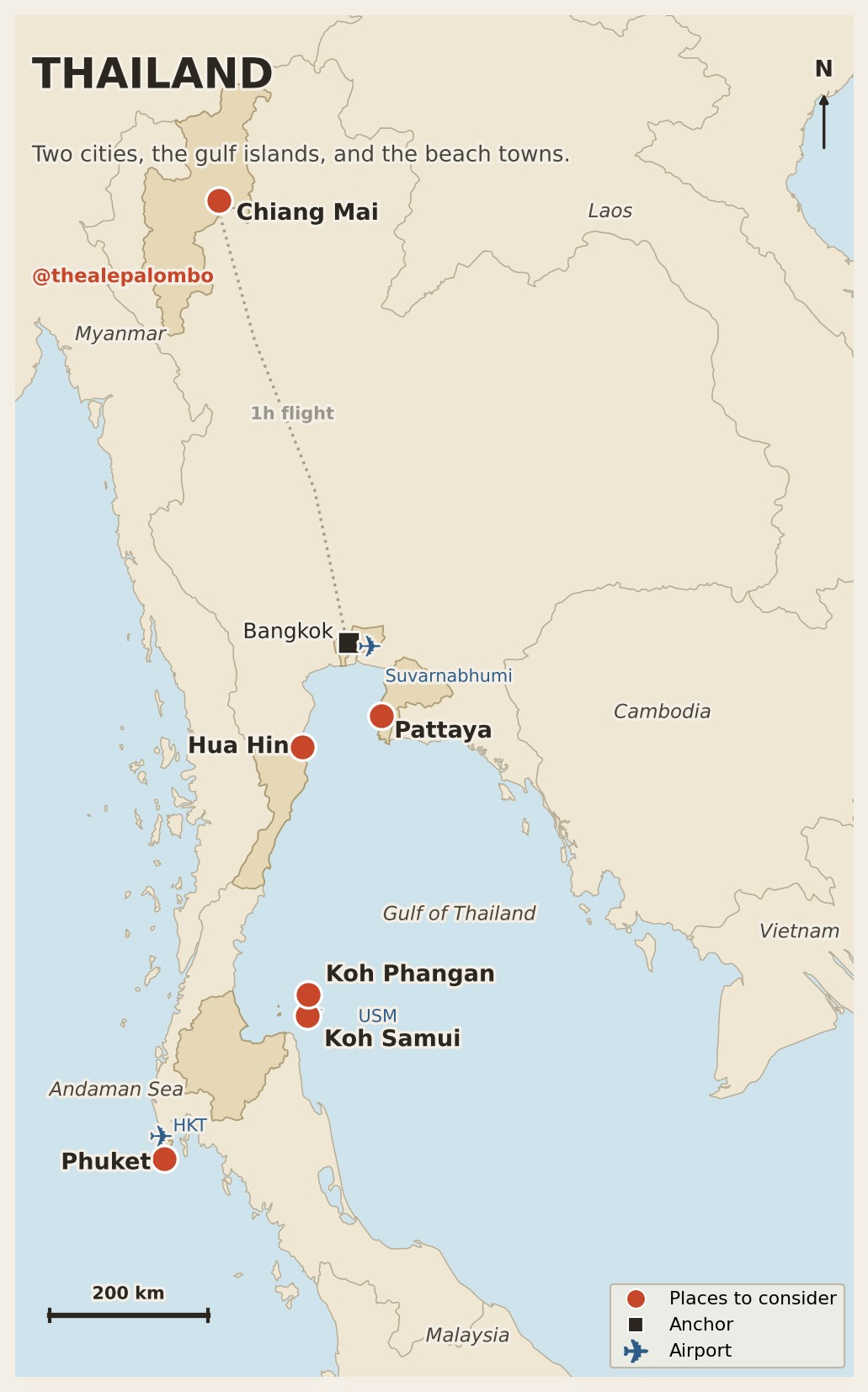
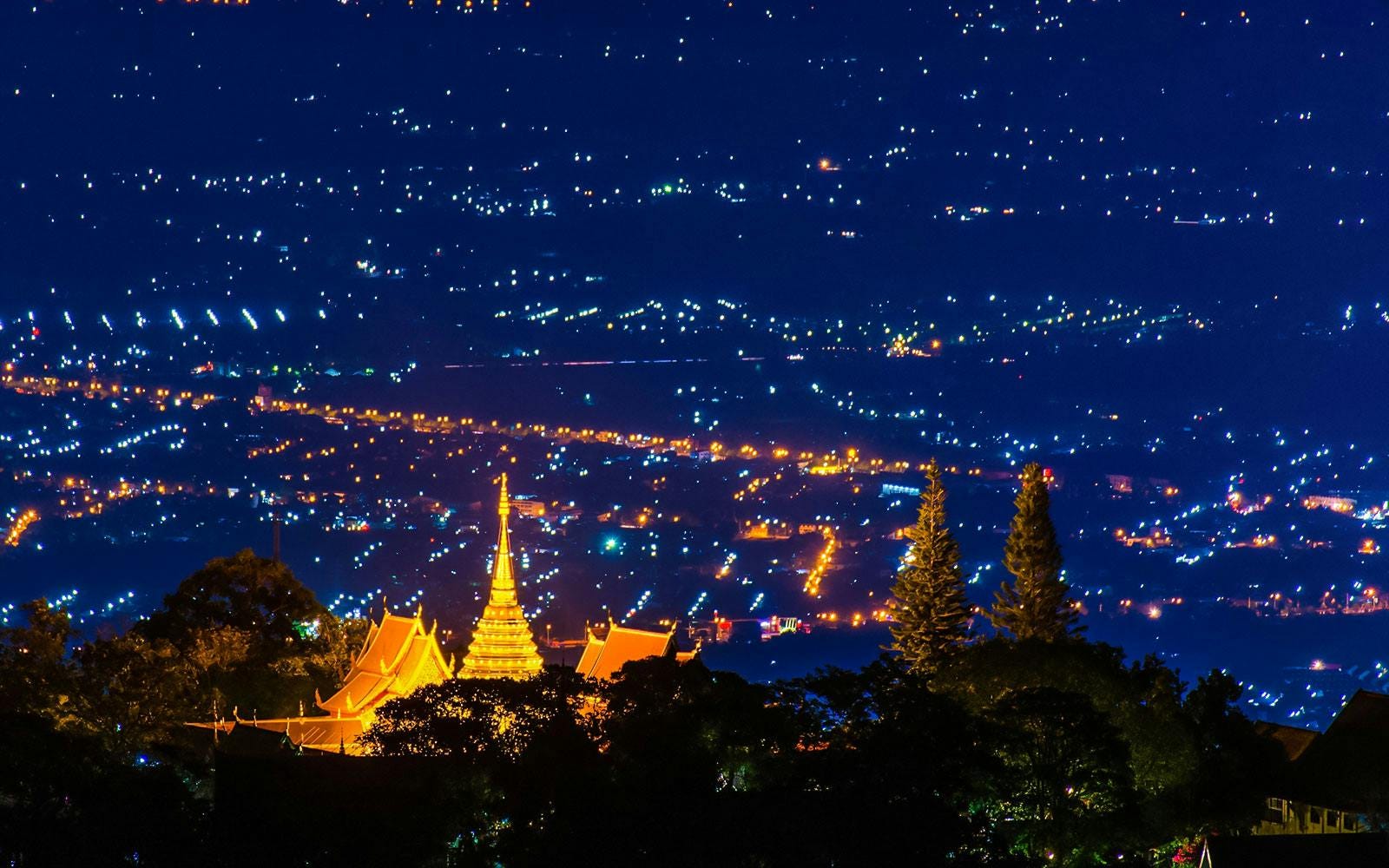
Chiang Mai is Thailand’s mountain north, an hour from Bangkok by plane. A small city with an old walled town in the middle, and just west of it, on the university side, a neighbourhood called Nimman where the cafés and the coworkings are. You cross the whole place in twenty minutes on a scooter.
A few neighbourhoods worth mentioning. Nimman, for example, where everyone starts, walkable and with everything you need. Santitham behind it, same life, but half the rent. The old city if you want temples out of the window. Hang Dong and Mae Rim outside the centre, for families with a car who want a garden and a school nearby.
It also has a real airport with direct flights to Bangkok, Singapore, Seoul, and two good private hospitals.
With $1,000 a month all in you live well, with $2,000 very well. A one bedroom in Nimman runs 18,000 to 29,000 baht ($550 to $900), and a new studio with a pool a bit further out is 10,000 to 13,000 baht ($300 to $400).
It still ranks in the top three nomad cities in the world, the coworkings are full again after the Covid hole, and the new thing is families, not only the twenty-five-year-olds with a laptop.
Why it’s not for everyone: burning season. From February to April the farmers burn the fields and the air becomes some of the worst in the world. Last March the index passed 250, and everyone I know there leaves for a few weeks, to the islands, to Bangkok, or home. If you have kids with asthma, forget it. If you can manage that, and you’re looking for a quieter but still high-quality and very affordable lifestyle, Chiang Mai is still a great option.
Places to consider: Nimman, Santitham, the old city, Chang Klan, Hang Dong, Mae Rim.
The alternatives
A few more worth mentioning, because Bangkok and Chiang Mai aren’t the only options.
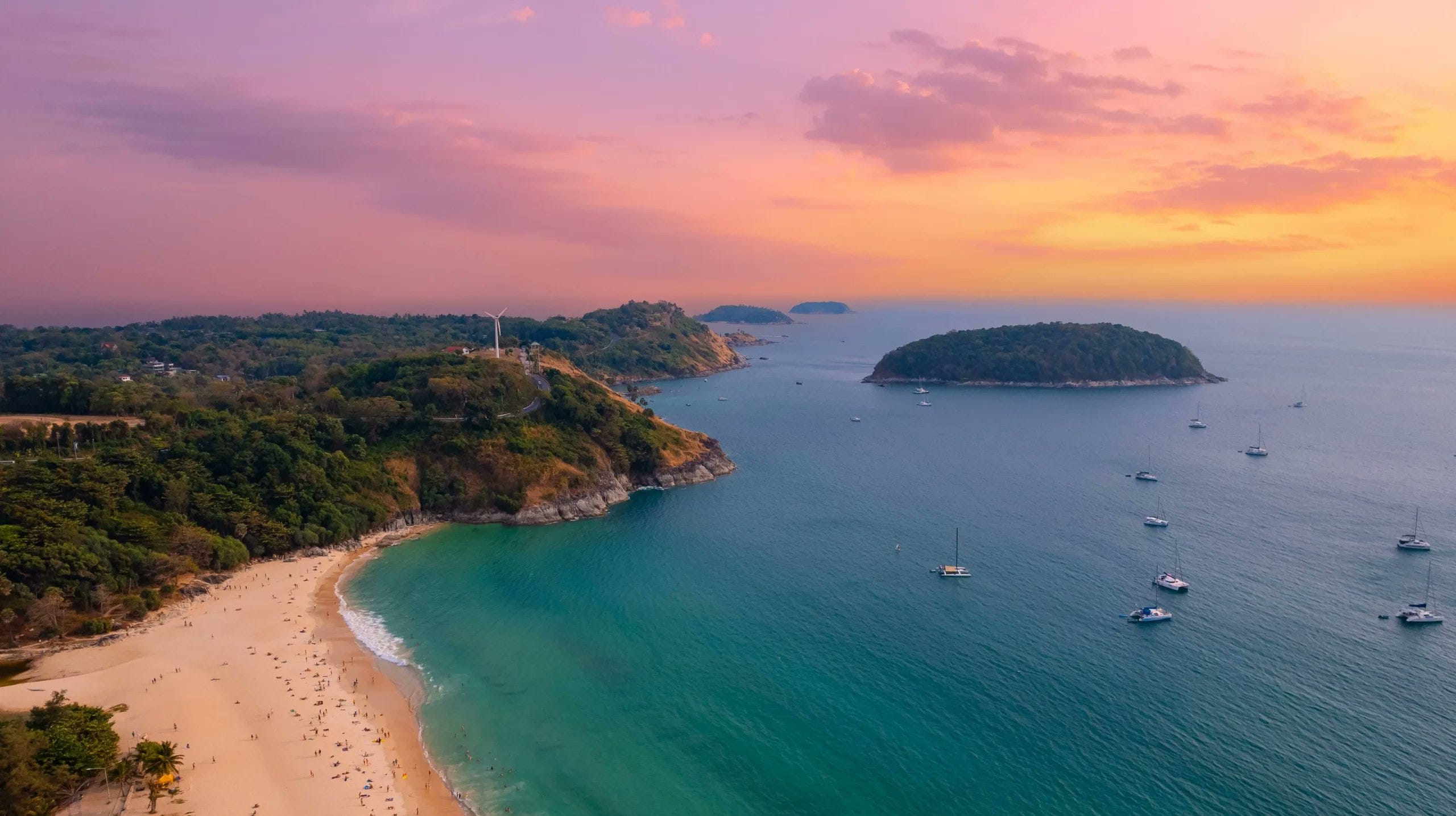
Phuket, the richest alternative. Bang Tao and Laguna in the north for families, villas, international schools, beach clubs. Rawai and Nai Harn in the south for surfers and sailors at 10,000 to 18,000 baht ($300 to $550) of rent. Its own airport with direct flights from Europe, and a hundred thousand foreigners already live there.
Hua Hin, three hours from Bangkok, the royal family’s beach town. Quiet, golf, and good hospitals. Nothing happens here, and that could be the ultimate perk depending on what you’re looking for.
Koh Phangan and Samui. Phangan for the yoga and the founders, Samui the grown-up version with the airport. Both had nominee raids this year, so rent, don’t buy.
Pattaya. There’s a proper tech and condo scene in Jomtien now, forty minutes from the new airport, and it’s Bangkok’s beach. Not my personal choice, but people live there very well.
Chiang Rai, if Chiang Mai feels too busy already. Same mountains, smaller, cheaper, same burning season.
Khon Kaen in the Isan, a real university city where almost no foreigner goes, for those who want to actually learn Thai.
One rule for all of them: a night in Bangkok is just one short flight away, and you’ll probably take it often.
Healthcare
Regardless of which city you pick, one thing that comes up in every conversation about Thailand is the healthcare, and it’s genuinely impressive.
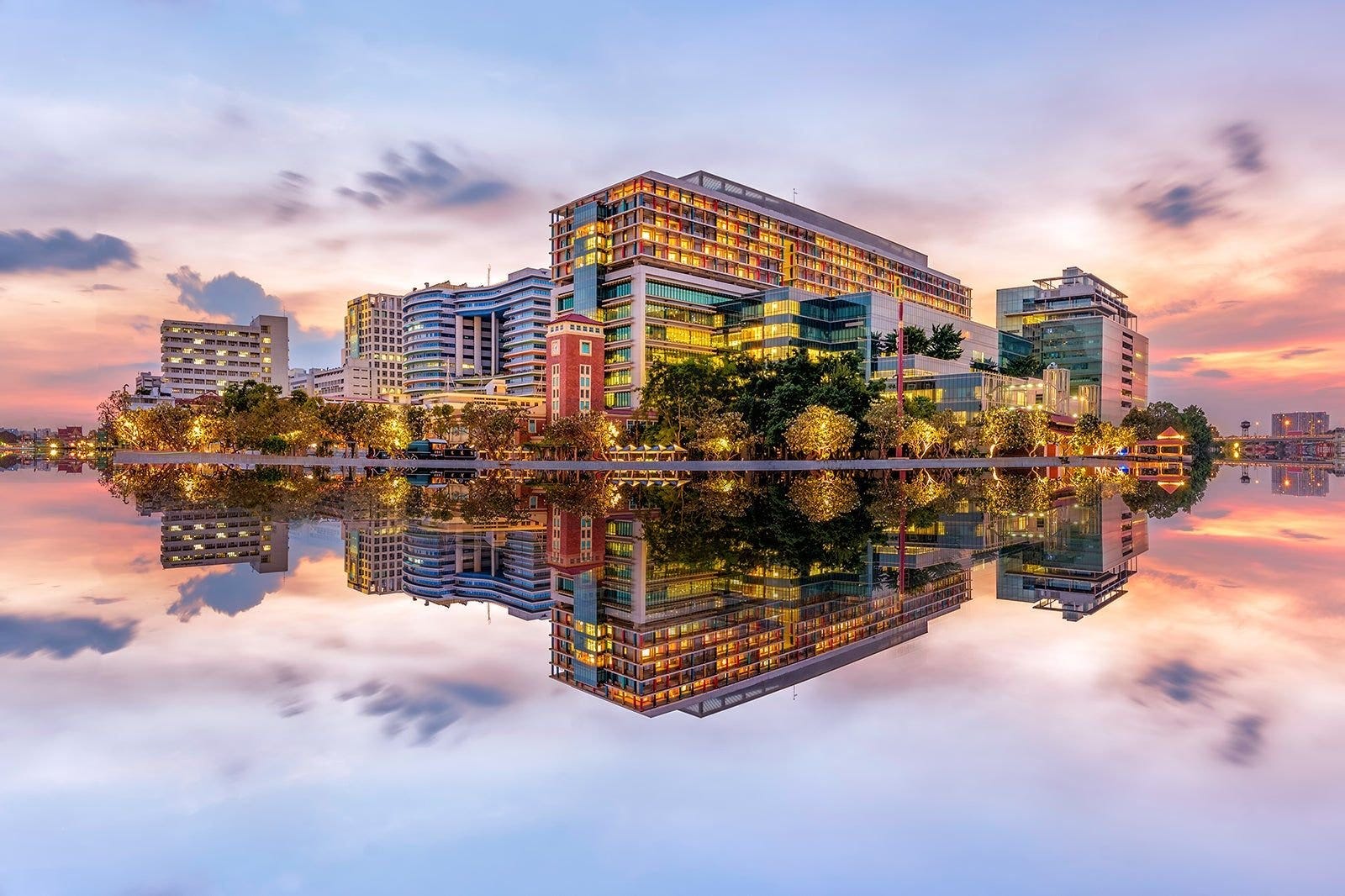
The private hospitals in Bangkok: Bumrungrad, Samitivej, Bangkok Hospital. These are the ones Gulf families fly to from Dubai and Saudi. You walk in and see a specialist that afternoon (it feels like magic). Chiang Mai and Phuket have the same quality, just a bit smaller.
A friend of mine had his kids born there. Private room, the same doctor for the whole pregnancy, zero drama, and a bill that in the US would not have covered a fraction of the same experience. A natural birth at a top Bangkok hospital runs 110,000 to 140,000 baht, a C-section a bit more. In New York, that just covers the parking.
The tax and visa reality
This is where things get more complicated, and where a lot of people aren’t paying enough attention.
Is Thailand a tax haven? Not really. It’s a territorial system with a lot of fine print, and real tax optimisation is possible, but it depends entirely on which visa you hold and whether you bring money in.
The government isn’t anti-foreigner upfront, but it is on paper. Three things I noticed in 2026: the visa-free stay for tourists is being cut from 60 to 30 days, the “jobs prohibited to foreigners” list was refreshed in June, and there was a real crackdown on the nominee structures foreigners used to hold land through Thai companies. In the same year they made the LTR visa easier, not harder. The message is simple: they want the ones with money and papers, not the ones who improvise.
Here are the three routes you need to know about in 2026.
The DTV, or Destination Thailand Visa. Five years on paper, lived in blocks of 180 days per entry, each extendable once. About 10,000 baht ($300) to apply, and you need roughly 500,000 baht ($15,000) seasoned for three months in the bank. It’s the visa your friend in Chiang Mai is probably on. Since the May 2026 crackdown they check the funds properly and they look at your “soft power” story with a straight face.
But here’s what most people don’t realise about the DTV: it isn’t a residence visa, it doesn’t open you a bank account, and the day you pass 180 days in Thailand in a calendar year, you become tax resident, meaning you should file there. By default they treat you as non-resident, but once you cross that line and you bring money in locally, taxes are due at 5 to 35%, with a credit if your home country already taxed it.
But here’s where it gets complicated...
Paying a restaurant bill with a foreign card, or pulling cash from an ATM, is technically a remittance. The Revenue Department has left that point unanswered, but every lawyer I know says to treat it as one, technically. The Thai banks now exchange information with your home country under CRS, so “nobody knows” is a weak plan.
The LTR, or Long Term Resident visa. This is the serious instrument. Ten years, work permit, fast lane at the airport, and foreign income exempt by royal decree. For the remote-worker version you need about $80,000 of income ($40,000 with a master’s) and a real overseas employer with real revenue, not your own invoices. For the wealthy version, a million in assets and half a million invested in Thailand. Around ten thousand people hold it, most of them retirees.
The EOR, or Employer of Record. The third door. To hire a foreigner, a Thai company normally needs 2 million baht of capital (about $60,000) and four Thai employees per hire. An EOR already has both and “rents” them to you: it hires you on paper, you keep working for your overseas employer, and it sponsors your work permit. The floor for a Western hire is 50,000 baht a month, roughly $1,500. You get a work permit, a bank account, social security, and three years of filings that start the permanent residence clock. Effective tax lands around 14% single, around 10% with a provident fund. Zero exists, but means locking a million baht a year (about $30,000) into Thai funds for years.
One catch to be aware of is the day you sign, the EOR salary becomes Thai-source, taxed whether you bring it in or not. The salary only, though; the rest of your foreign income stays under the remittance rule. It’s directionally similar to Portugal’s IFICI model. It’s a real path, but I’d want to understand better how solid it is over time. If someone is under an EOR, I’d be curious to hear about the experience in the comments.
There are also the Privilege visa (you pay, from 900,000 baht for five years, about $27,000) and the retirement visa. But DTV and LTR are the main story.
One clarification, because I see the two stories mixed all the time. The banks closing DTV holders’ accounts has nothing to do with tax. What happened is that accounts opened on tourist and temporary visas were being sold to scammers as mule accounts, so since 2025 the banks are cleaning them up. A new account now needs a long-stay visa: LTR, Privilege, Non-B, retirement, or a work permit. Annoying, but not a signal about you.
So what do people actually do?
In all frankness, people in Thailand divide into two camps. The properly compliant, my friend included, who follow what the lawyers recommend and stay ready in case things change. And the ones who assume enforcement is too inconsistent to worry about. One reader put the second camp perfectly to me: “Enforcement is so arbitrary and sporadic, most people will continue with the nomad status quo as is. The Thais always make a show of enforcement after a string of bad news.”
Both have a point, and I’m not going to be the one telling you exactly how this works. But my take is the same either way: the system isn’t stable. The rules here change by departmental order, not by parliament. The remittance rule of 2024 was an order, the visa-free cut of 2026 was a cabinet decision, and the next one can be next month. So play it safe, structure yourself properly, and don’t rely on grey areas.
If you can, go for the LTR. If you can’t, there’s a combination I think is underrated: Dubai residency plus Thailand stays. Real residency and tax certificate in one place, the life you want in the other, and you count your Thai days carefully.
The downsides

There are real frictions that don’t show up on the Instagram posts from people showing off the lifestyle here.
The culture fit isn’t automatic. I have friends deep in the expat bubble who are very happy. I also hear from people who never really connect with the local culture and aren’t particularly interested in the expat scene either. Worth being honest with yourself about it before you go.
The condo hermit trap. You can live Bangkok entirely in a bubble. Everything delivered to your door, and before you know it you’re barely leaving the building. Residents even have a name for it, the “condo hermit” stage. Comfortable, but very isolating.
Real estate. You can own a condo, up to 49% of any building in foreign names, but you can’t own land or a house.
The air quality, not just in the north. Bangkok has its bad weeks in March too. What people who live there say is that it’s not any single episode that gets to you, it’s knowing it comes back every year and that if it matters to you, you have to do something about it.
The compliance paradox. My friend heard this story. Some people report the opposite problem to evasion: they go to the tax office wanting to file and are turned away without a tax ID for not meeting the minimums, while others are told by their advisors not to worry at all. The system’s inconsistency cuts both ways.
Who’s in Thailand in 2026
From what I see in my network, the range is varied. You have families, entrepreneurs, retirees, founders, and a few “Peter Pan” personalities who landed there and never resurfaced since 2020.
The LTR holders, many over fifty, with pensions or a real company elsewhere. The founders with a Singapore or Hong Kong entity who live in Bangkok and fly out to sign, and I know many of them personally. The remote employees with a proper employer. The families in Phuket and Bangkok for the international schools. And the DTV crowd, younger, on six-month cycles, mostly in Chiang Mai and on the islands.
Worth mentioning, and I speak from my own network so this could be biased: the diversity is also in nationality. I know many Asians who relocated to Thailand, Chinese included, and just as many Westerners. That mix doesn’t happen often. Think of Lisbon or Dubai.
Who’s not there anymore? The ones who wanted a residency on paper and found out the DTV isn’t one. The people holding villas through nominees. A piece of the cheapest tier, because Bangkok at 33 baht to the dollar isn’t the bargain it was at 36. And a piece of the cannabis crowd, since it went back to medical only.
Thailand didn’t become bad. It became selective.
My framing
If I had to frame this for you, in short.
Under LTR: Bangkok, a good building in Thonglor or Ari, and I wouldn’t think twice. It’s the best plug-and-play life in Asia for the money.
On a DTV: treat it as what it is. A beautiful place to spend five or six months a year, with your residency and taxes sorted somewhere else. The Dubai combination I mentioned works very well here.
And in all cases, rent, don’t buy.
In all frankness, if I were in a different phase of life, I’d probably be there myself. The economics are that clear.
What’s next
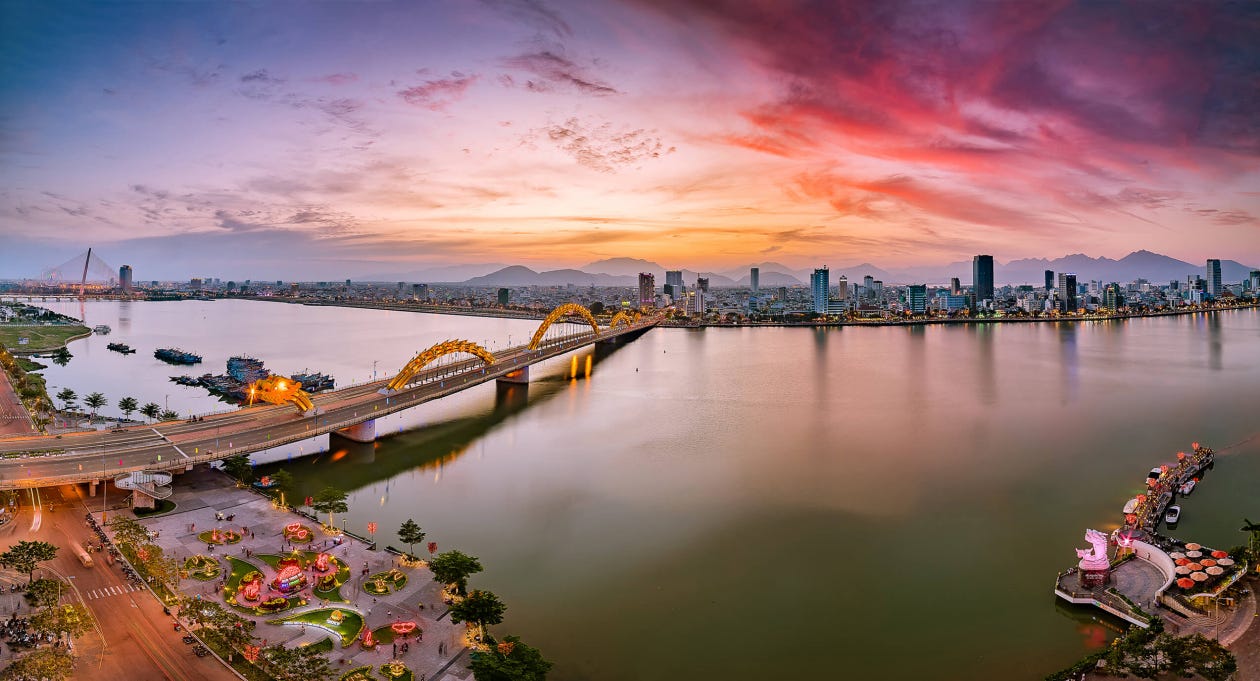
One more thing before I wrap up. The two places I keep hearing about from people leaving Thailand, or building a Plan C alongside it: Vietnam and Cambodia.
Da Nang is on every list this year, next to Chiang Mai. Vietnam has a ninety-day e-visa, a golden visa on the table, and a cost of living a third below Bangkok. The catch: Vietnam taxes worldwide income once you’re resident.
Cambodia has a cheap renewable long-stay visa and almost no questions asked. It’s the place I’ve heard mentioned most often for real estate investment recently.
Both are their own conversation. If you’re interested, tell me in the comments and I can do the same kind of deep dive on those.
In summary, Thailand in 2026:
The best life for the money in the world, an LTR if you can get it, a long stay if you can’t, and a place to rent well rather than own.
Stay free,
Ale
Reply and let me know if you’re there, if you left, or what your setup looks like. And if you enjoyed this, click the ❤️ button and restack.
Related pieces:


Really enjoyed this one — genuinely informative and clearly written. In a world where so much content is starting to feel like generic AI slop, it’s refreshing to read something with actual substance, thought and perspective behind it.
Thank you; very helpful. A couple of questions:
1. What about a retirement visa in Thailand? Is there such a thing? If so, what are the requirements, pros and cons of this option?
2. Would love to see similar deep dives for Vietnam and Cambodia, including any retirement visa options in those countries.