
Swissmaxing: A Practical Guide
Two ways to optimize Switzerland that almost nobody talks about

Everyone who wants to move to Switzerland starts with the same question. Zurich or Geneva?
But that is the wrong question.
I’ve lived in Switzerland, incorporated there, and also walked the lakeside in Zug at 8pm wondering where everyone went. So I have some personal context on this. But I also asked friends still living there, compared their takes against the data, and put together this guide.
What I found is that there are two ways to optimize Switzerland, and almost nobody talks about either of them. They serve different profiles, and the right pick depends on whether you’re optimizing for taxes or for the kind of life you want to live.
So this is your guide to Swissmaxxing: the right canton, the right combo, the right structure for how you actually want to live. Not just moving there. Setting it up properly.
Two approaches, with the specific cities, tax numbers, downsides, and which setup makes sense for which profile.
Let’s get into it.
The Baseline
Before the cities, let’s set the foundation.
Roughly 250 millionaires a month are moving to Switzerland. For many, it works. For others, it doesn’t. But for most who do move, the setup ends up significantly worse than what was available to them but hidden.
Switzerland has 0% capital gains tax on private investments. Federal law, every canton. If you hold stocks, ETFs, or crypto privately and you sell at a profit, those gains are not taxed. The condition is you maintain passive investor status. If you’re day-trading or deriving your primary income from trading, you’ll be classified as professional and taxed as income. But for a long-term holder managing a personal portfolio, the rate is zero.
That’s the baseline. Everything else is about optimizing on top of it.
One key thing most people miss about Switzerland is that it doesn’t operate like one country. It’s 26 cantons, each with its own constitution, its own government, and its own tax rates. Cantons actively market themselves, lower rates, and improve services to compete for residents and businesses. That competition is what makes the whole system work, and it’s why choosing the right canton versus the wrong one can mean hundreds of thousands of francs over a decade.
The smart setups in Switzerland follow one of two paths.
The first is a combination play: a small town at the foot of the Alps that you use as your corporate base, paired with a separate canton where you actually live.
The second skips the combination entirely and puts everything into one city in a different region of the country. Two structurally different bets.
Let’s start with the first.
Approach One: The Zug Combo
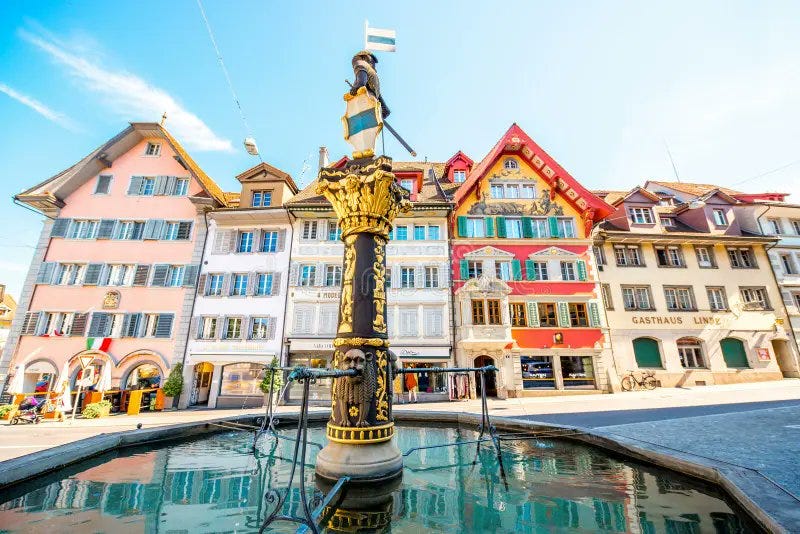
Zug is a beautiful lake town with clean air, crystal water, and mountains in every direction. The old town is charming, with lakeside restaurants where you watch the sunset over the Rigi. Everything works, everything is safe, and kids walk to school alone.
Zug has the lowest corporate tax in Switzerland at 11.85%, and an administration that genuinely works for you. Setting up a company, dealing with authorities, the system serves you. There are very few places on earth where that’s true.
Population is around 32,000. Three-bedroom rent runs CHF 2,500–4,000. Personal income tax maxes at 18.39%. Wealth tax sits at 0.04–0.17%.
Schools are strong: ISZL has over 1,200 students from 50+ nationalities and a full IB programme, and Institut Montana also runs IB. Great option for families.
Sounds ideal? It’s great, but here’s the honest part.
The marketing around Zug is real but exaggerated. I have videos on my phone of walking through Zug at 7pm and it’s “I Am Legend” vibes – empty. The town is essentially closed by then. It’s a town with more PO boxes than real companies, extremely calm but extremely small. Great for your holding company. Less great for your family’s Saturday night.
So the play is to get the most out of Zug without actually living there. Register your business in Zug for the lowest corporate tax and world-class administration, and then live somewhere nearby with genuine quality of life.
Four combinations stand out.
1. Zug + Luzern
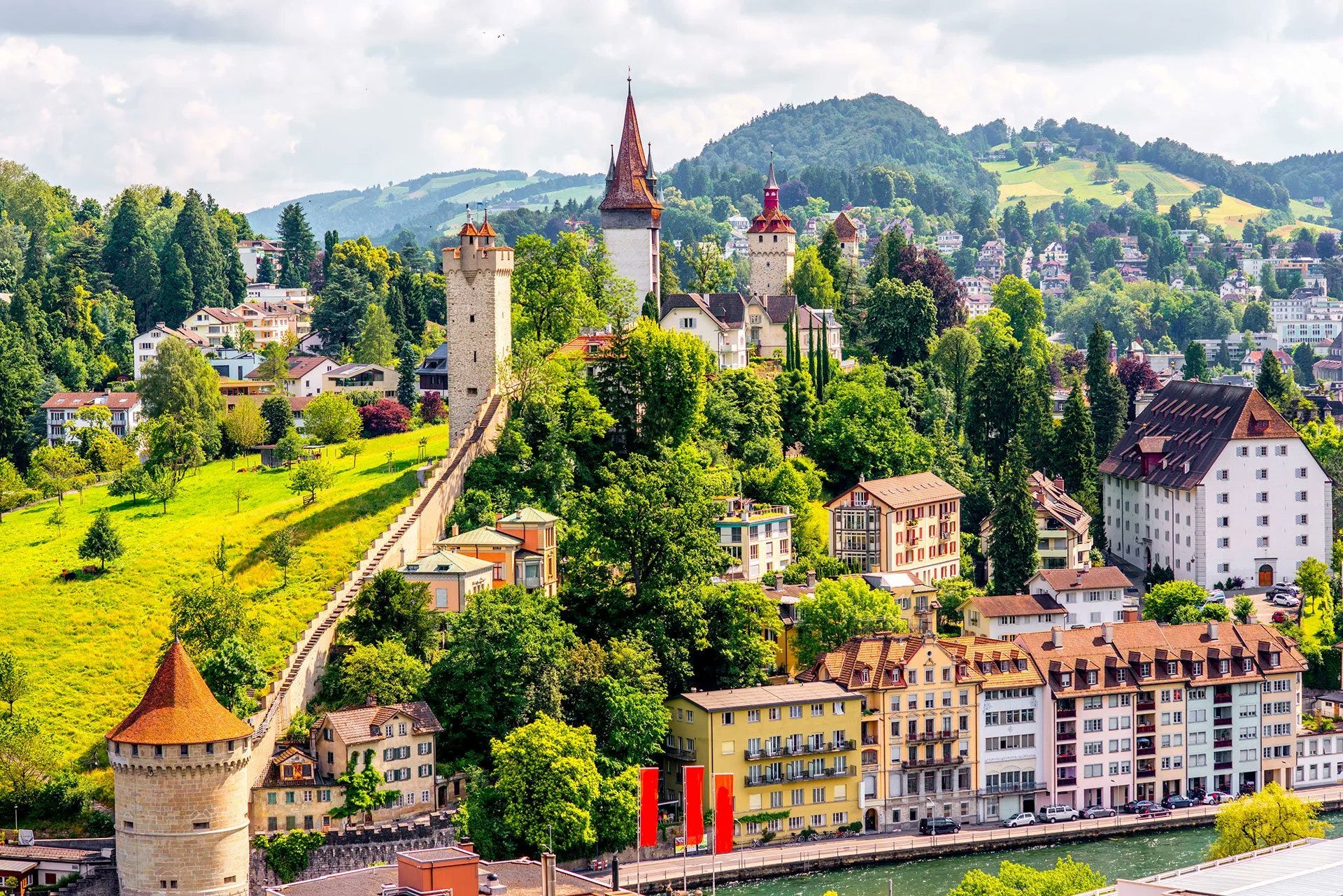
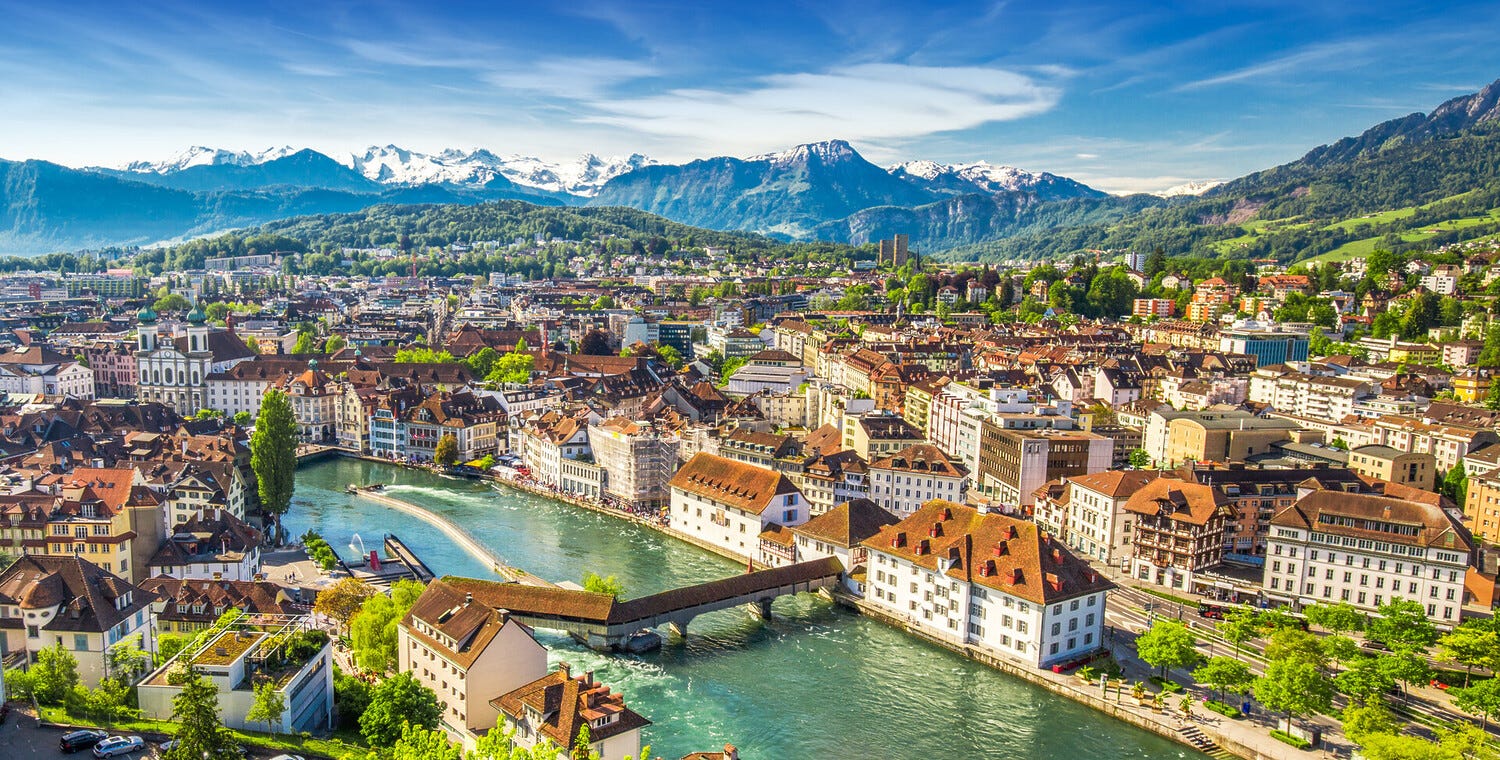
Twenty-five minutes from Zug by train. And I’ll just say this upfront: Luzern is one of the most beautiful cities I’ve ever been to.
The old town sits on the lake. The Chapel Bridge stretches across the river. Mount Pilatus stands in the background. Most people visit for two days and immediately leave. Almost nobody considers actually living here, which I think is a missed opportunity.
Luzern is cosmopolitan without being corporate. Weekends are lake cruises, outdoor markets, festivals. The whole rhythm of the city is human-paced. And it’s 20 to 35% cheaper than Zurich across the board. The schools are also serious, and Luzerner Kantonsspital has a dedicated children’s hospital that serves as the pediatric reference center for all of Central Switzerland.
The honest downsides are that personal income tax is moderate at around 26%, lower than Zurich but higher than Schwyz or Obwalden. The city is still small, and the winter is grey and cold. If you need big-city energy, Luzern won’t be the one.
But if someone asked me to name the most beautiful small city in Europe with real infrastructure, Luzern would be in that conversation.
Best for families who want city life, world-class schools, and genuine beauty, with Zug 25 minutes away.
2. Zug + Freienbach (Schwyz)
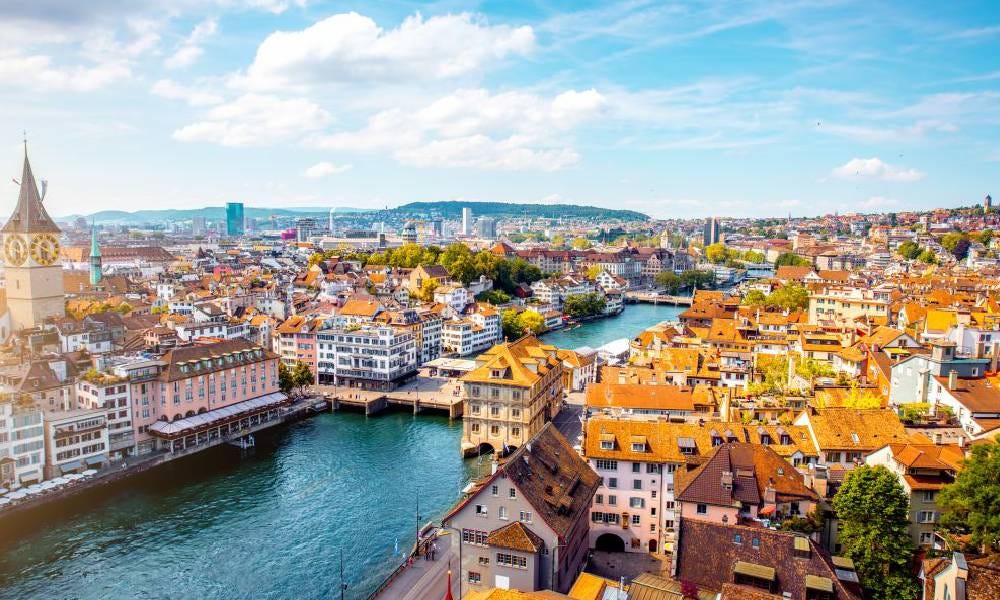
This is the pure optimization play.
Freienbach and Pfäffikon sit in Canton Schwyz, 30 minutes from Zug and 25 minutes from Zurich. Named the best place to live in Switzerland in 2025.
Personal income tax in Freienbach is 20.02%, among the lowest in the entire country. Wealth tax is 0.11%, against 0.47% in Zurich, a 4x difference. On CHF 5 million in net assets, you’re paying roughly CHF 5,500 a year in Freienbach versus CHF 23,500 in Zurich.
Lakeside on upper Lake Zurich. Polished suburban life with farmers’ markets in the morning, sailing in the afternoon, and kids cycling along the shore. There are 10 kindergartens and 7 primary schools in Freienbach alone, and Zurich International School is 15 minutes away.
Wollerau next door is where Federer, Räikkönen, Vettel, and Massa all settled. There’s a reason.
The trade-off is that it’s a suburb, with everything that implies. Social life is structured rather than spontaneous, housing demand is fierce, and the vibe is prosperous and polished. If you’re looking for character or charm, this won’t be where you’ll find it.
But the lowest personal taxes in Switzerland with genuine lakeside life, and both Zurich and Zug within 30 minutes? That combination speaks for itself.
Best for capital holders and high-net-worth individuals who want Zurich access without Zurich taxes.
3. Zug + Stans and Hergiswil (Nidwalden)
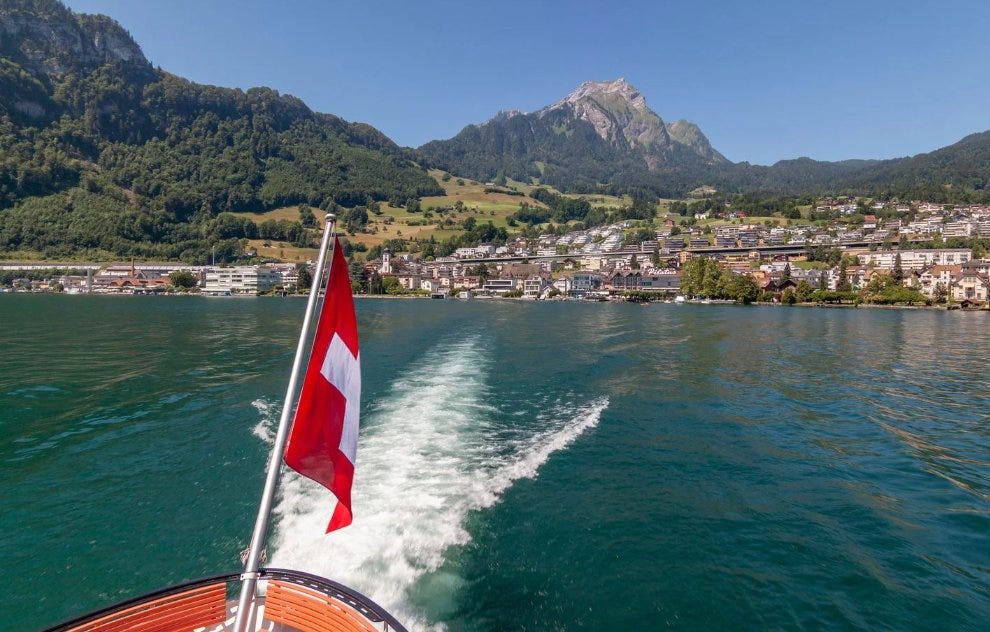
Twenty minutes from Luzern. Thirty minutes from Zug. You wake up to Stanserhorn and the Bürgenstock ridge, and that’s the whole pitch.
Personal income tax in Hergiswil sits around 22.91%, with corporate at 11.97%. Something to note: tax cuts have been announced for 2026. While the rest of Europe debates raising taxes, Nidwalden is lowering them – canton competition in action.
The culture here is traditional. Yodeling festivals, local theater, and multi-generational farming families. But young families are moving in for the taxes and the landscape. Hergiswil sits on Lake Lucerne. Stans has a charming old town. Hiking in summer, sledding in winter, and fondue year-round.
The honest downsides are that it’s small, with Stans at 8,500 people. No nightlife. German is essential. The culture is conservative and reserved, and friendships may take years rather than months. Winters are long and dark, and if you don’t ski, November to March will test your resolve.
But it’s one of the best-kept secrets in the country. The people moving there know exactly what they’re doing.
Best for those who want alpine village life with Luzern and Zug within easy reach.
4. Zug + Sarnen and Alpnach (Obwalden)
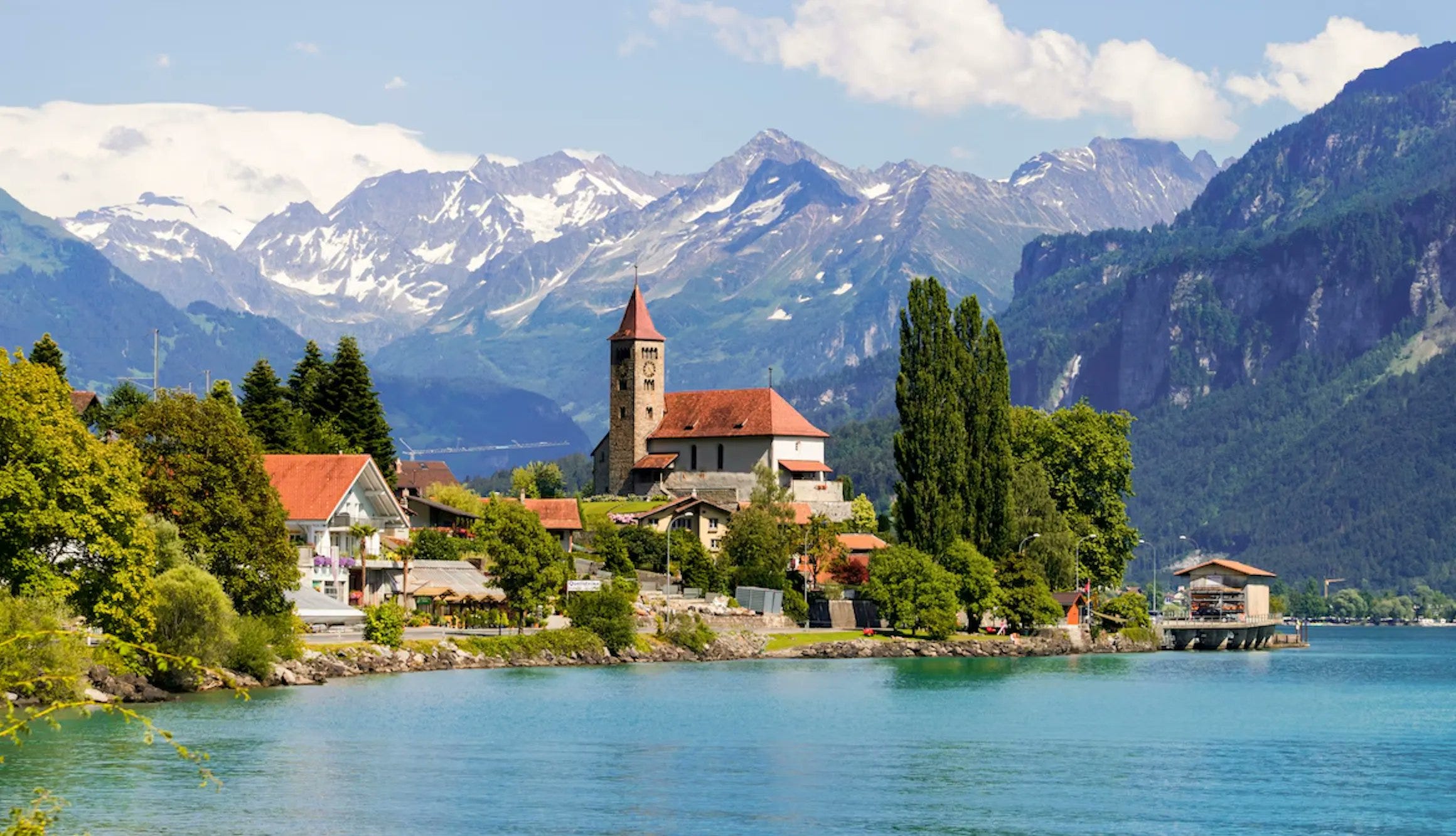
Fifteen minutes from Luzern. Forty minutes from Zug. The cheapest rent on this list, among the lowest personal and wealth taxes in Switzerland, and nature that’s world-class.
Alpnach sits at the foot of Pilatus. Sarnen wraps around its own lake, with swimming, paddling, and cycling paths with playgrounds everywhere. Engelberg is 30 minutes away with 82 kilometers of ski piste and a dedicated family area at Brunni.
What sets Obwalden apart from the other rural cantons is that it actually invests in family infrastructure. Progressive childcare, support systems that are unusual for rural Switzerland.
The rhythm is simple and deeply appealing. Summer: lake swim, trail hike, ice cream in Sarnen. Winter: ski Engelberg, hot chocolate at the lodge, home by 4pm.
A friend of mine does this exact combo. Business registered in Zug, family in Obwalden. His words: “Lowest taxes, best nature, 15 minutes to Luzern. Platinum setup.” He’s not wrong.
The downsides are also the upsides. It’s properly rural, with Sarnen at 10,500 people, mountains, cows, and church bells. The international community is minimal, so German is non-negotiable. Winters area also harsh – you have been warned...
But if you genuinely love nature and quiet, and you’re running a business from a laptop, Obwalden plus Zug is the optimization play that’s very hard to beat.
Best for founders and remote workers who want the lowest possible taxes with access to extraordinary nature.
Approach Two: Lugano
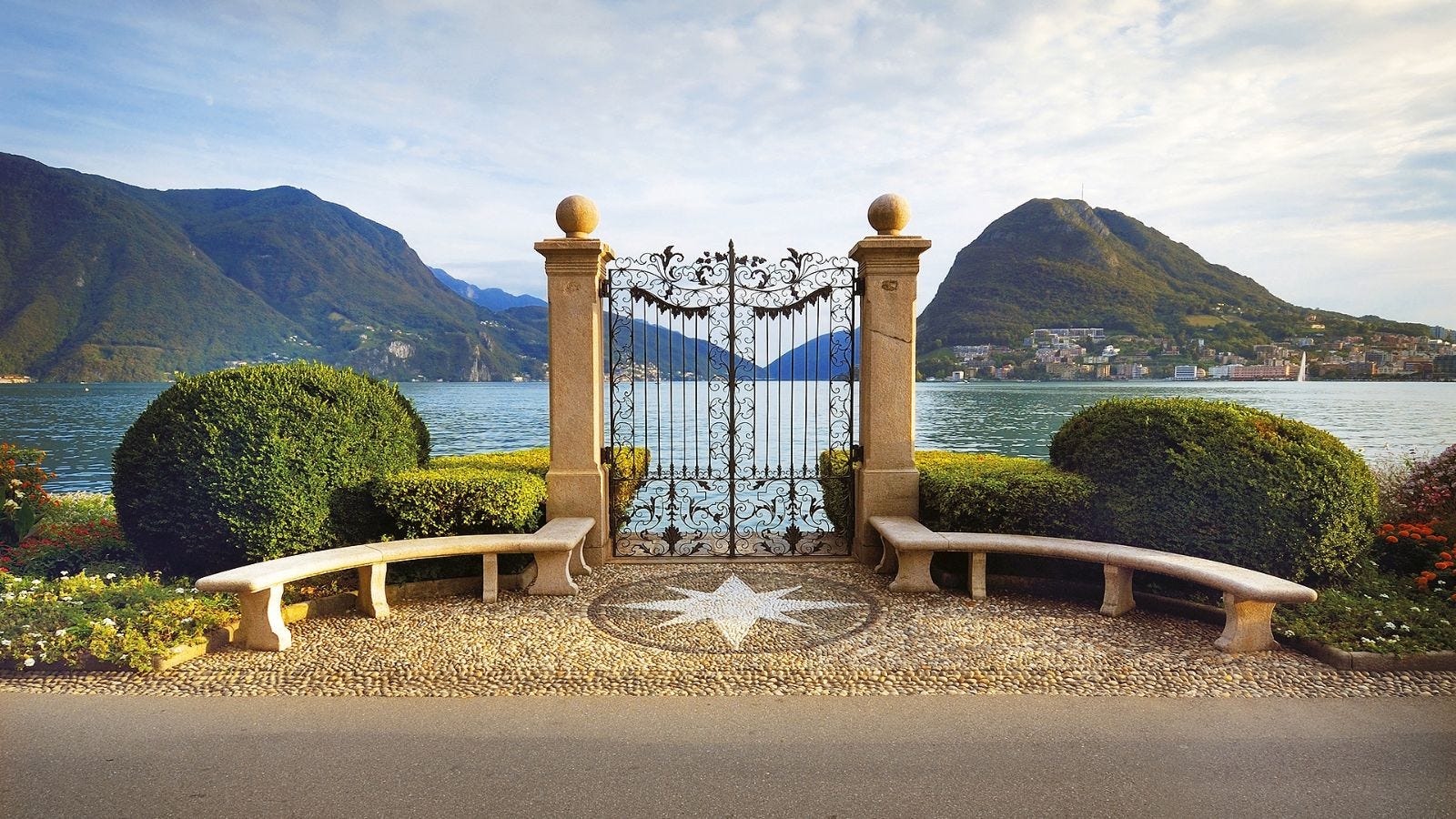
No Zug needed.
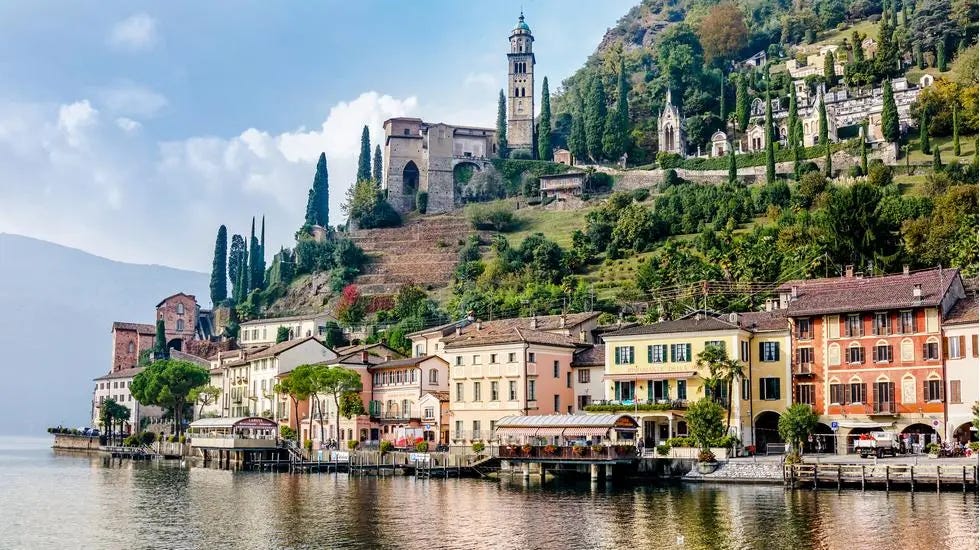
2,100 hours of sunshine a year. Palm trees, lake walks, and aperitivo culture. Italian spoken everywhere. This is Italy that works: the food is Italian, the trains are Swiss.
Taxes are higher than central Switzerland, and that’s an immediate consideration compared to the Zug approach. Income tax tops out at 36 to 41% depending on the municipality.
So Lugano is not a strict optimization play. This is the lifestyle play.
But the integration is smoother than anywhere in German-speaking Switzerland. Ticino culture is open and social. With kids, this matters enormously: school communities, neighbors, friendships all will click faster than in Zurich or Zug. TASIS is right here, one of Europe’s oldest American schools, and the International School of Ticino runs full IB.
Then there’s Milan, 1 hour 15 minutes by train. World-class dining, fashion, Malpensa for long-haul flights, real culture. Swiss stability as your base, Italian energy (and a bit of chaos) whenever you want it.
The trade-off is the highest taxes on this list, and a job market that’s thin outside finance and crypto. The city is small and can feel isolated from the rest of Switzerland.
For a passive investor, or someone who’s done building and wants to live? Lugano. No doubts. But I’m biased, of course.
Best for passive investors and families who prioritize lifestyle and integration over pure tax optimization.
A Sidebar on Lump-Sum Taxation
One more thing most people don’t know about, and for a certain profile it changes everything.
Lump-sum taxation. If you’re a wealthy foreigner who doesn’t work in Switzerland, you can negotiate a flat annual tax based on your living expenses rather than your actual income or wealth. The federal minimum taxable base is CHF 435,000. In practice the annual tax lands somewhere between CHF 150,000 and CHF 350,000, depending on your negotiation and the canton.
Available in Ticino, Vaud, Valais, and the central cantons. Not available in Zurich or Basel.
This changes the Lugano math significantly. The “tax premium” over central Switzerland mostly disappears if you qualify. It also works in Obwalden and Nidwalden, which makes the Zug combo even more powerful for passive wealth.
For people in this bracket, it’s the difference between a good setup and an extraordinary one.
The Rankings
A quick way to see the setups against each other.
Best overall combo: Obwalden plus Zug. Lowest taxes, best nature, Luzern 15 minutes away.
Best city life: Luzern plus Zug. Most beautiful city on the list, world-class schools, real infrastructure.
Best tax optimization: Freienbach plus Zug. 20.02% income tax, Zurich 25 minutes away.
Best alpine community: Nidwalden plus Zug. Dramatic nature, village life, cantons actively lowering taxes.
Best lifestyle: Lugano. Undisputed. 2,100 hours of sun, Milan one hour away, Italian vibes.
Head vs Heart
Two setups kept pulling me back as I worked through this.
Obwalden plus Zug for the head. The math is unbeatable. Lowest taxes, nature that stops you in your tracks, Luzern 15 minutes away. If you’re a founder or you’re still building, this is the play.
Lugano for the heart. Higher taxes. But 2,100 hours of sunshine, Italian spoken, Milan an hour away, and a culture that actually lets you in. For someone who’s done building and wants to live, Lugano. No doubts.
Two very different bets. One is optimization. The other is more life.
I’d pick the heart. But I’m Italian.
In the end, we all want two things. Low taxes, and a place where your daughter and wife can walk at night safely. Switzerland delivers on both. The question is how you set it up.
The people who set it up well aren’t in Zurich or Geneva. They’re in the places I’ve just walked you through. Quietly, deliberately, and very comfortably.
I also did a video version of this if you’d rather watch than read.
Which setup would you go for, the Zug combo or the Lugano way? Reply and tell me. I read every message personally.
And if you enjoyed this, click the ❤️ button and restack.
Stay free, Ale
Writing from Lisbon
Ale, detagli e punto di vista ottimi. Swiss lump-sum una nuovita per me. fantastico. Grazie
What does Lump Sum Taxation mean with the following numbers? Thank you!
Lump-sum taxation. If you’re a wealthy foreigner who doesn’t work in Switzerland, you can negotiate a flat annual tax based on your living expenses rather than your actual income or wealth. The federal minimum taxable base is CHF 435,000. In practice the annual tax lands somewhere between CHF 150,000 and CHF 350,000, depending on your negotiation and the canton.