


Fifteen years ago, a friend of mine moved his family from Italy to Romania. I didn’t get it at the time. Around the same time, the son of a Roman entrepreneur with one of Rome’s best cafés went to Albania to open an ice cream shop. Made no sense to me either.
After all those years, I get it now. Those were early adopters.
Most people planning a family move in Europe still default to London, Paris, Amsterdam, or Barcelona. Great cities, but all expensive and the tax math continues to get worse across most of Western Europe.
Meanwhile, the pendulum has swung. Central and Eastern Europe is more attractive for tax-optimised family life than at any point in the last 20 years. A few headline numbers:
Bulgaria and Romania: 10% flat income tax, tied for the lowest in the EU.
Hungary: 9% corporate tax, also lowest in the EU.
Poland: a flat-rate scheme that puts software contractors at roughly 15–18% effective.
Slovakia, Croatia, Bulgaria, and Czechia each have a 0% capital gains regime, with conditions.
I’ve spent the last 18 months talking with people across this corner of Europe. Founders, families, contractors, and accountants.
What I looked at for each:
Tax architecture (effective rate including social security)
Capital gains treatment (the part most lists miss)
International school depth
Healthcare quality
Connectivity to a major hub airport
Real city life
Honest catches worth knowing
The output is this list. These aren’t places to park your family for the tax break. They’re places where kids can grow up well, the economics works, and you can actually enjoy life too.
Prague, Czechia 🇨🇿
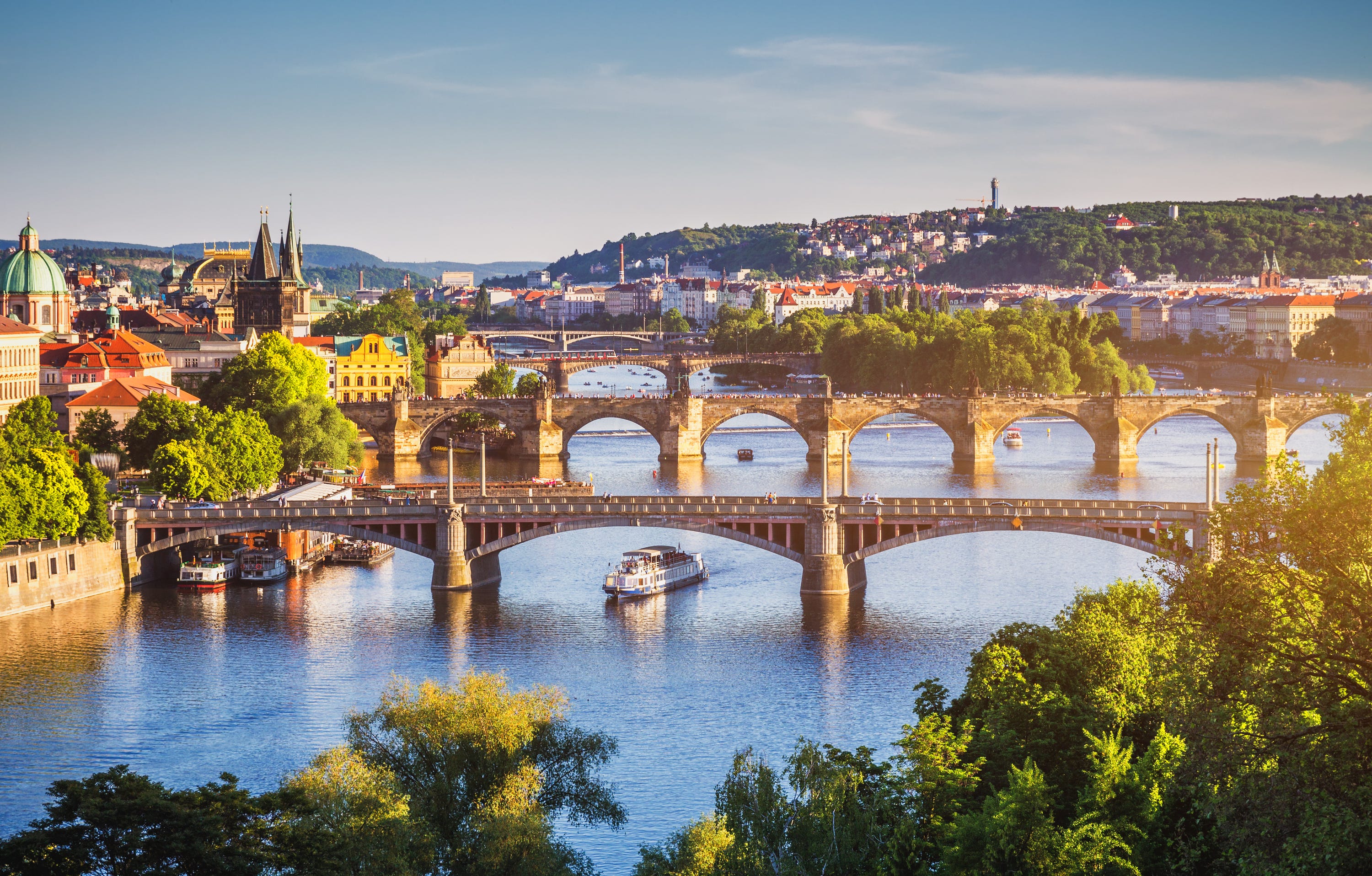
Prague is the premium anchor in this corner of Europe.
A beautiful real European capital, the deepest international school stack outside Vienna, and an old-Europe feel that’s increasingly rare on the continent. When I visit, I find a kind of calm and groundedness that’s harder and harder to find in the West.
On tax, personal income tax runs 15% up to roughly €72K and 23% above. Self-employed flat-rate schemes are available with simplified accounting. None of this is the cheapest math on the list, but it isn’t punitive either.
What does set Prague apart is the capital gains regime. Securities held more than three years are exempt from capital gains tax. The CZK 40M annual cap on shares was removed from January 2026, so the exemption is now uncapped for shares (the cap still applies to crypto). For founder exits, secondary sales, and long-term portfolio gains, Prague is one of the cleanest capital gains jurisdictions in the EU – most lists fail to mention this.
Schools are where Prague really delivers. International School of Prague (American + IB), English College in Prague, Lycée Français de Prague, German School Prague, and Riverside School. The K-12 stack is deep enough that you have real choices at every age.
For neighbourhoods, Vinohrady is the leafy café-culture residential anchor. Smíchov is the revitalised riverside. Letná is park-adjacent and hipster-shifted. Žižkov is bohemian and lower cost.
Now the downsides worth knowing.
Czech is genuinely hard. Housing pressure is growing as Prague becomes a relocation hub. Prague is definitely not the cheapest pick on this list, especially after the last two years. If you travel a lot, long-haul flight connectivity is weaker than Vienna or Frankfurt.
For a real European city that’s meaningfully cheaper than Vienna or Berlin, Prague is the strongest balance on this list.
Warsaw and Krakow, Poland 🇵🇱
Warsaw delivers the cleanest tax math in the EU for IT contractors and software professionals.
If you register as a sole trader and elect the Polish flat-rate scheme (the ryczałt), the rate runs 8.5%, 12%, or 15% depending on your business activity code. 12% applies to most programming work. Add monthly ZUS social contributions and the effective tax on €150K of revenue lands around 15–18%. New entrepreneurs get six months ZUS-free, then 24 months of preferential ZUS. There’s also a 5% IP Box scheme for qualifying intellectual property income.
For pure software contractor optimisation, this is one of the best setups in the EU.
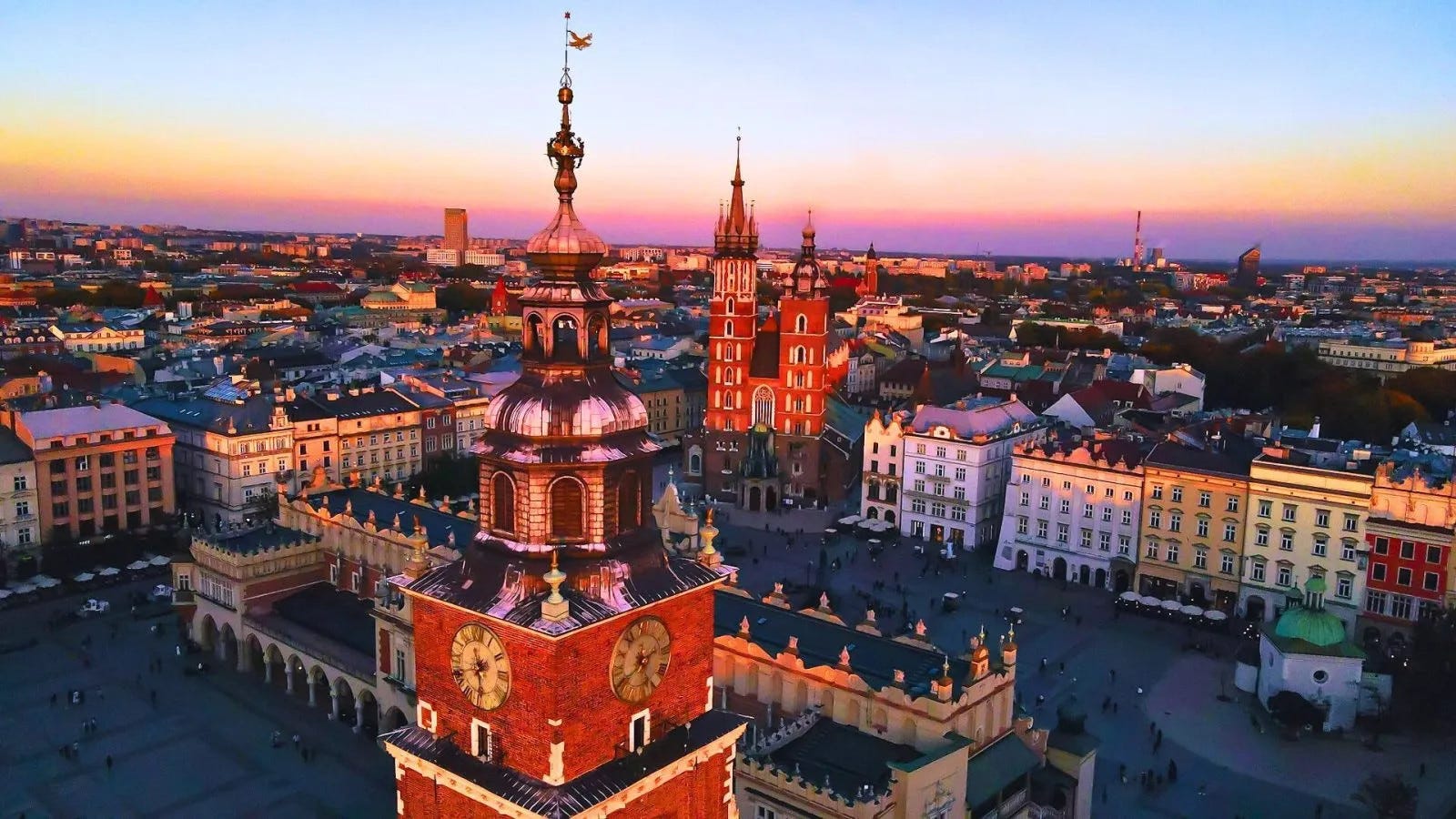
Warsaw is the tech hub with the post-WWII rebuild aesthetic and the deepest international school stack between Berlin and Vienna. American School of Warsaw, British School Warsaw, Akademeia (secondary, increasingly serious), International European School, and Lycée Français René Goscinny.
Krakow is the UNESCO old town with smaller scale, mountains 2 to 2.5 hours south at Zakopane, and a different feel entirely. International School of Krakow and British International School of Cracow handle the school side.
For neighbourhoods, Mokotów or Żoliborz are the residential anchors in Warsaw. In Krakow, the Old Town and Kazimierz handle the lifestyle while Bronowice and Krowodrza work for families.
For downsides, Polish is hard – similar to Czech. Winters are long – similar to Berlin.
Warsaw is functional more than beautiful. Krakow is beautiful but smaller-scale. Capital gains is 19% flat with no holding-period exemption, which is the one structural weakness in the otherwise excellent Polish math.
For IT contractors and software founders with families, Poland is almost unbeatable in the EU. Warsaw for the school depth and tech ecosystem. Krakow for the lifestyle and the mountains.
Zagreb and Istria, Croatia 🇭🇷
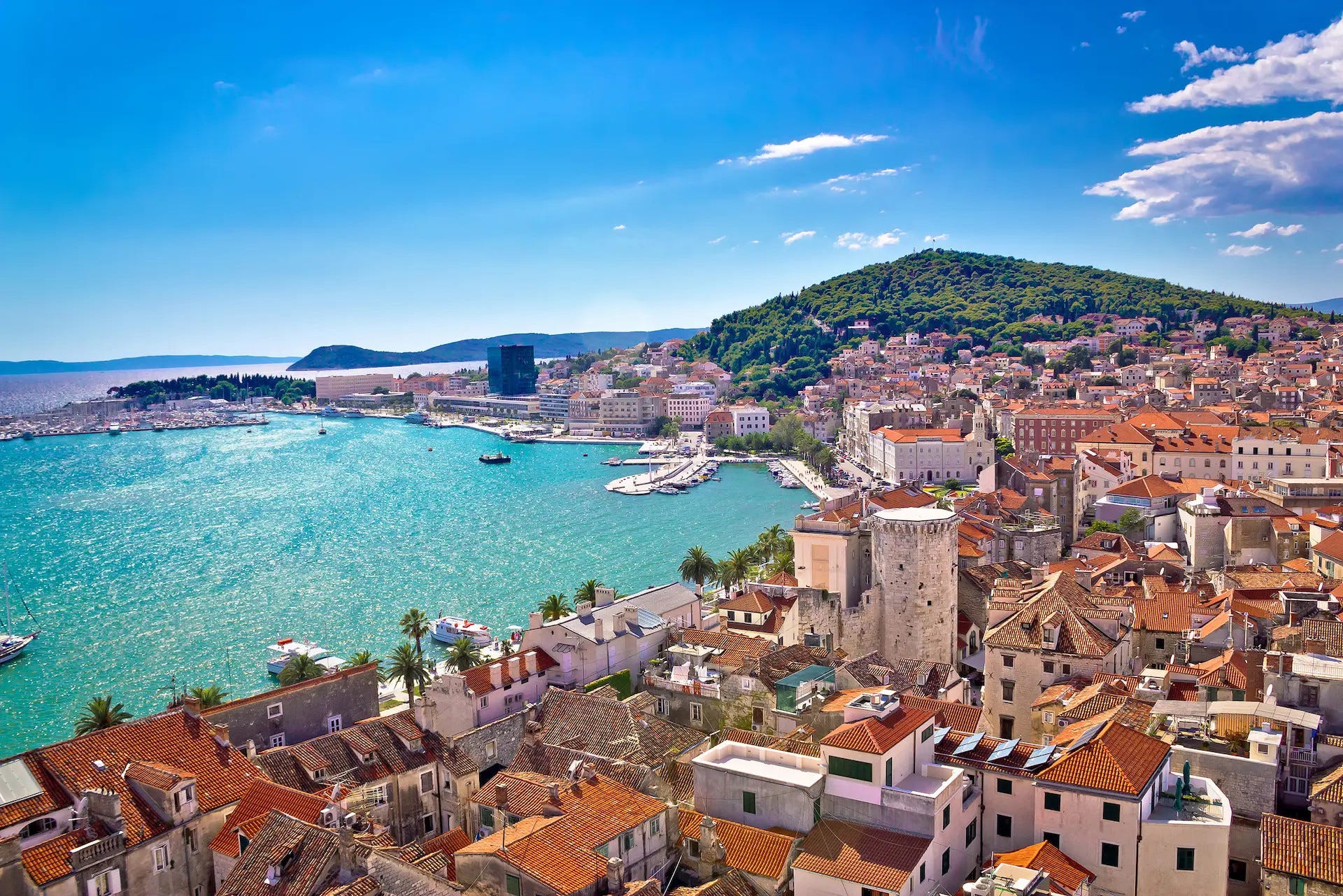
Eurozone and Schengen since 2023. The lifestyle play on this list with a lot of hype that’s mostly earned.
On tax, personal income tax runs 20% up to roughly €60K and 30% above. The local surcharge (prirez) was abolished in January 2024 and replaced by letting municipalities set rates within national bands. Company tax is 18%, dropping to 10% for revenue under €1M. A flat-rate scheme is available for small entrepreneurs under €60K (paušalni obrt).
The hidden gem is capital gains. 0% on securities held more than two years. Broad application, no listing constraint, no annual cap. For founder exits and long-term portfolio gains, Croatia is one of the top capital gains jurisdictions in the EU.
Zagreb is the capital, the real European city with café culture, walkable old and new town, and the full international school stack: American International School of Zagreb, French International School of Zagreb, British International School Zagreb.
Split is the Adriatic coastal city with Diocletian’s Palace as the UNESCO anchor and Hvar an hour by catamaran for the close-island weekends.
Istria (Rovinj, Pula, Poreč) is the Tuscany of Croatia. Vineyards, truffles, hilltop towns, Roman ruins, and a centuries-old Italian cultural overlay from Venetian and Italian influence. The Cascais-equivalent for families who don’t need the major city.
When it comes to the downsides, tax is not as aggressive as Bulgaria or Romania on income. The top rate hits 30%+ depending on municipality. Like others on the list, Slavic is hard to learn. The international school stack thins fast outside Zagreb and if you choose a coastal town then those are pretty seasonal.
For lifestyle-first families who want EU plus Eurozone plus Adriatic plus real European cultural depth, choosing between Zagreb and Istria are very strong option in the EU.
Bucharest and Cluj-Napoca, Romania 🇷🇴
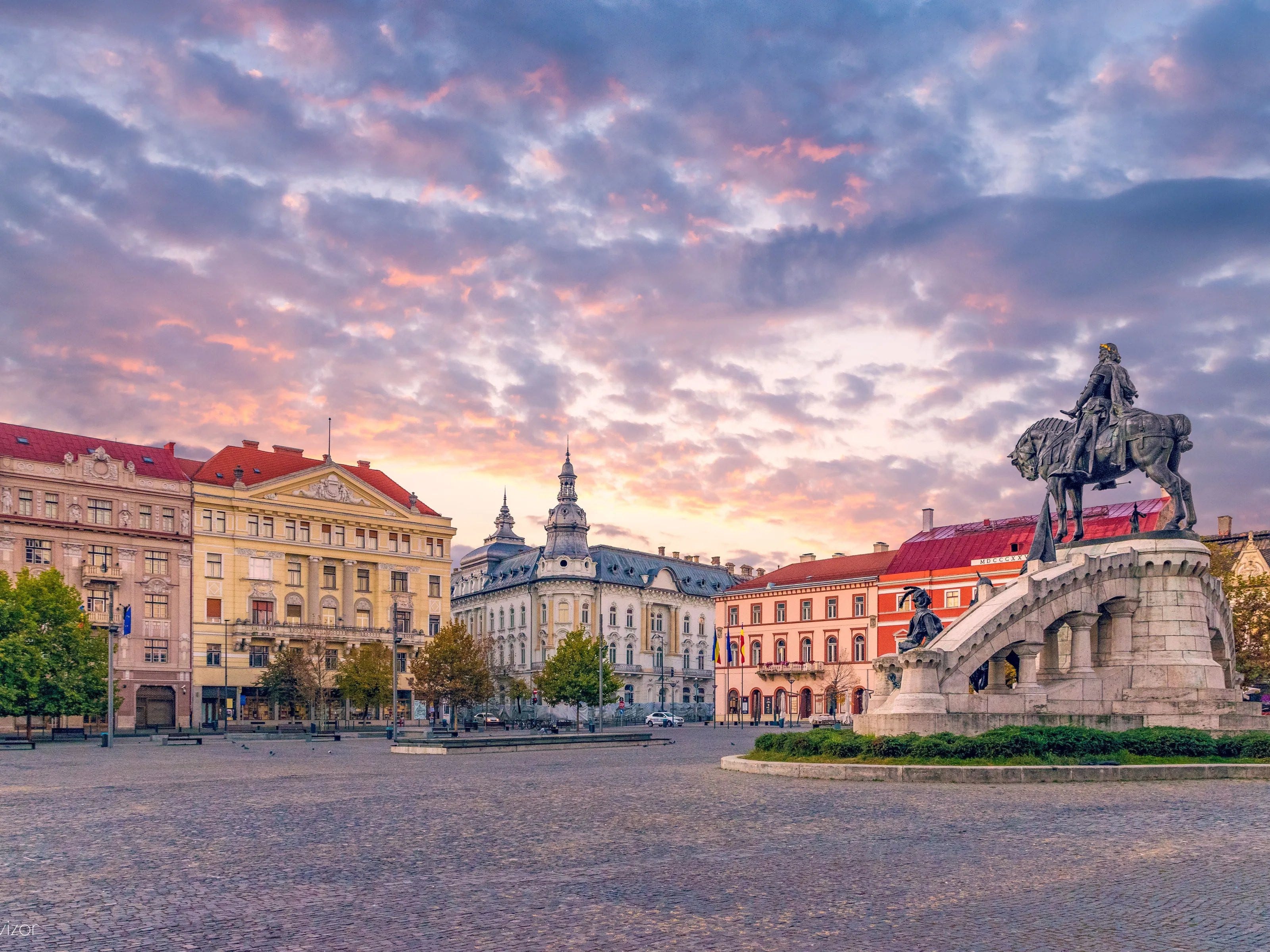
Tied with Bulgaria for the lowest flat income tax in the EU at 10%.
A note for the Italians reading: Romania is genuinely underrated, and the cultural distance is smaller than you assume. Romanian is Latin-based, the closest to Italian of any language on this list, and the underlying Latin cultural threads are real. Something to bear in mind :)
On tax, 10% flat personal income tax across the board. The IT income tax exemption that ran 2004 to 2024 was fully abolished from January 2025. IT employees now pay the standard 10% plus full social contributions like everyone else. Much less attractive than 2022, but the 10% headline is still cleaner than most of the EU.
The small-business regime (microenterprise) drops to 1% tax on qualifying revenue from January 2026. The threshold has come down from €500K originally to €250K in 2024 to €100K in 2026. Standard company tax is 16%. Dividend tax becomes 16% from January 2026 (was 10% in 2025, 8% before that). The trajectory is consolidation, not expansion.
Bucharest is the capital, the deepest school stack, and the fastest-growing tech ecosystem in Eastern Europe (UiPath was founded here in 2005). American International School of Bucharest, British School of Bucharest, Lycée Français Anna de Noailles, Deutsche Schule Bukarest, Mark Twain International School. K-12 with real depth.
Cluj-Napoca is the Silicon Valley of Eastern Europe. Transylvania, mountain access, beautiful historic centre, and a smaller scale with real tech and academic gravity. Transylvania College and the International School of Cluj.
For neighbourhoods in Bucharest, Cotroceni, Floreasca, Primăverii, Dorobanți, and Băneasa are the family-friendly expat-popular zones. In Cluj, Centru (the old town) and Andrei Mureșanu are the residential anchors.
Now the downsides.
Political volatility has been more variable than Poland or Czechia. The IT zero-tax regime has been narrowed multiple times since 2023 and the microenterprise regime is on a tightening glide path. Plan for a regime that keeps consolidating.
For software professionals who still qualify under microenterprise rules, the math is strong. For everyone else, the 10% flat is tied with Bulgaria for the cleanest math in the EU. Bucharest for the school depth. Cluj for the smaller scale and tech gravity.
Sofia and Plovdiv, Bulgaria 🇧🇬
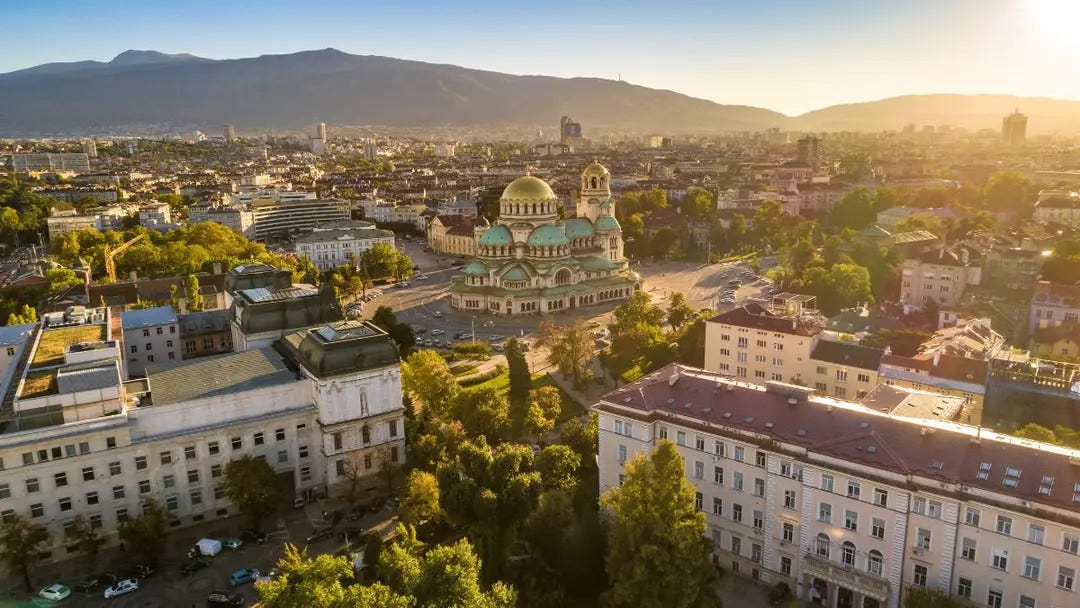
10% flat income tax, tied with Romania for the lowest official rate in the EU. Structurally stable since 2008, which on this list is the rarest feature of all.
On tax, 10% flat personal income tax, 10% corporate tax, 5% dividend tax, no wealth tax. Bulgaria is structurally the most tax-friendly EU country on official rates, and the regime is durable (not expat-specific), which makes future narrowing less likely.
The catch on the headline numbers is social security. Employee share runs roughly 13.78%, employer share roughly 18–19% on top. The effective burden lands materially higher than the 10% headline. Always model the full picture.
Capital gains run 0% on shares listed on EU/EEA regulated markets, with no holding period required. US-listed shares (NYSE, NASDAQ) and direct crypto don’t qualify and hit the 10% flat. The workaround for US exposure is holding via EU-domiciled UCITS wrappers, which qualify.
Sofia is the capital with the business and tech ecosystem (DXC, Broadcom/VMware, a real startup scene). The Anglo-American School of Sofia is one of the strongest international schools in this corner of Europe and the real anchor for families.
Plovdiv is the second city, a European Capital of Culture 2019, and more livable than Sofia for families. Cultural depth, lower cost, slower pace. The Cascais-equivalent here.
Bansko, in the Pirin mountains, is the digital nomad mountain hub, with skiing in winter and a growing year-round community.
Sofia, for some people, has more Soviet-era architectural character than they’d expect. The international school stack thins fast outside Sofia, which matters for families with multiple kids needing different fits. The Cyrillic alphabet adds friction in daily life. Long-haul flight connectivity is the weakest on this list.
For the best-value tax math plus EU passport pathway, this is the play. Sofia for the school depth. Plovdiv for the lifestyle upgrade.
Budapest, Hungary 🇭🇺
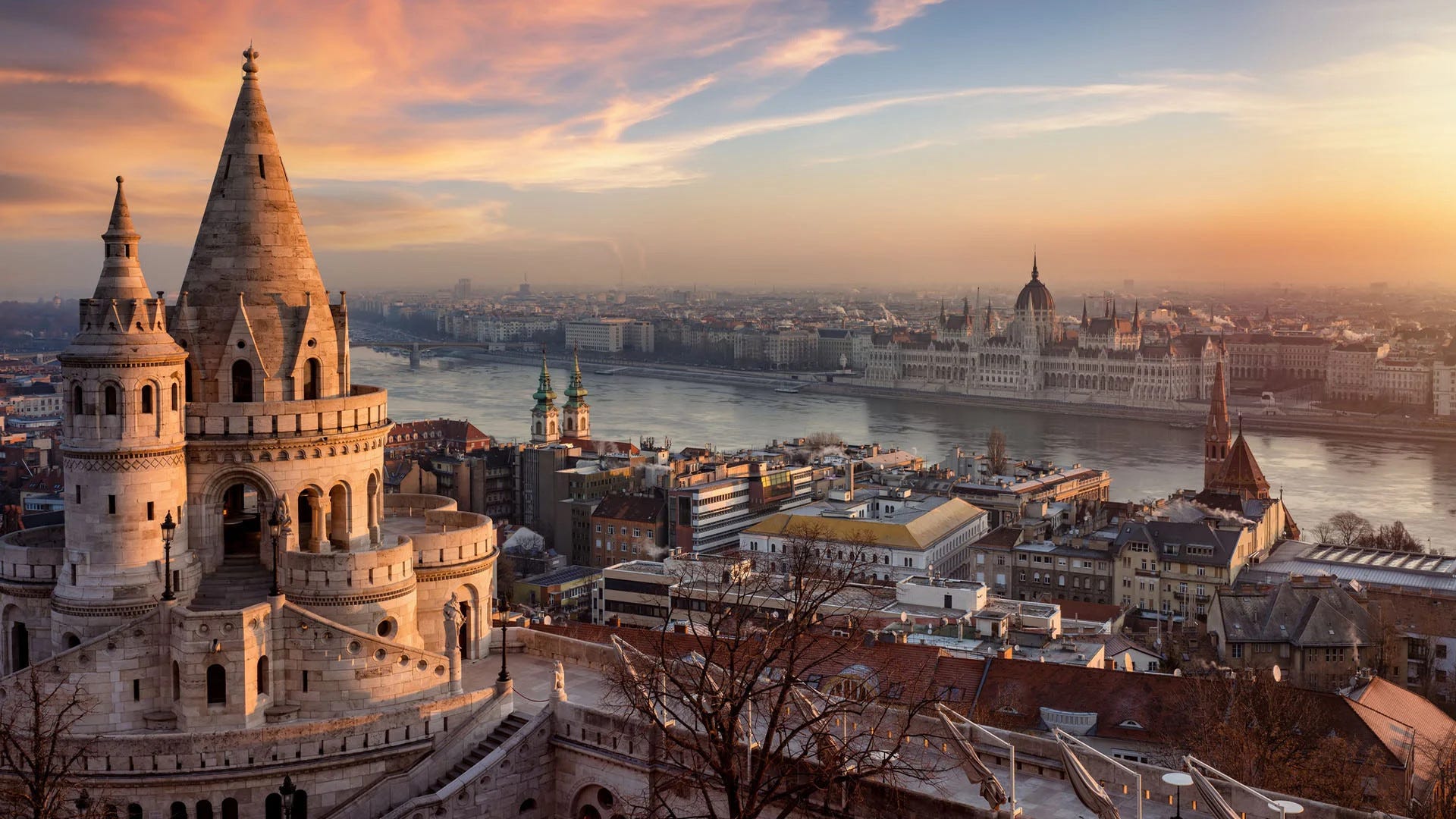
The cleanest headline tax-and-family combo in the EU. Sitting lower in this ranking purely for political stability reasons.
On tax, 15% flat personal income tax. 9% corporate tax (the lowest in the EU). The catch on the headline numbers: employee social security is 18.5% (pension + health + labour), plus an employer 13% social contribution tax. The effective tax burden ends up materially higher than the 15% income tax suggests.
The simplified small-business regime (KATA) was gutted in 2022 and now only applies to sole traders invoicing private individuals. Not usable for software contractors invoicing companies. The official rates themselves remain structurally stable.
For neighbourhoods, District V (Belváros) is the historic walkable centre. District XII (the Buda hills) is leafy and expat-popular. Zugló (District XIV) is residential and family-friendly. Erzsébetváros (District VII) is hip, walkable, ruin-bar territory.
For schools, the stack is real: American International School Budapest, British International School Budapest, SEK Budapest International School, Lycée Français Gustave Eiffel. K-12 with serious depth.
For downsides, Hungarian is famously among the hardest languages on this list. Orbán’s political dominance is a decade-plus deep, with periodic clashes with EU institutions. Daily expat life is unaffected, but macro stability is more variable than Czechia or Slovenia.
For families willing to accept the political backdrop, you get the best EU headline tax math plus a beautiful walkable capital plus thermal baths. Hard to beat on those terms.
Bratislava, Slovakia 🇸🇰
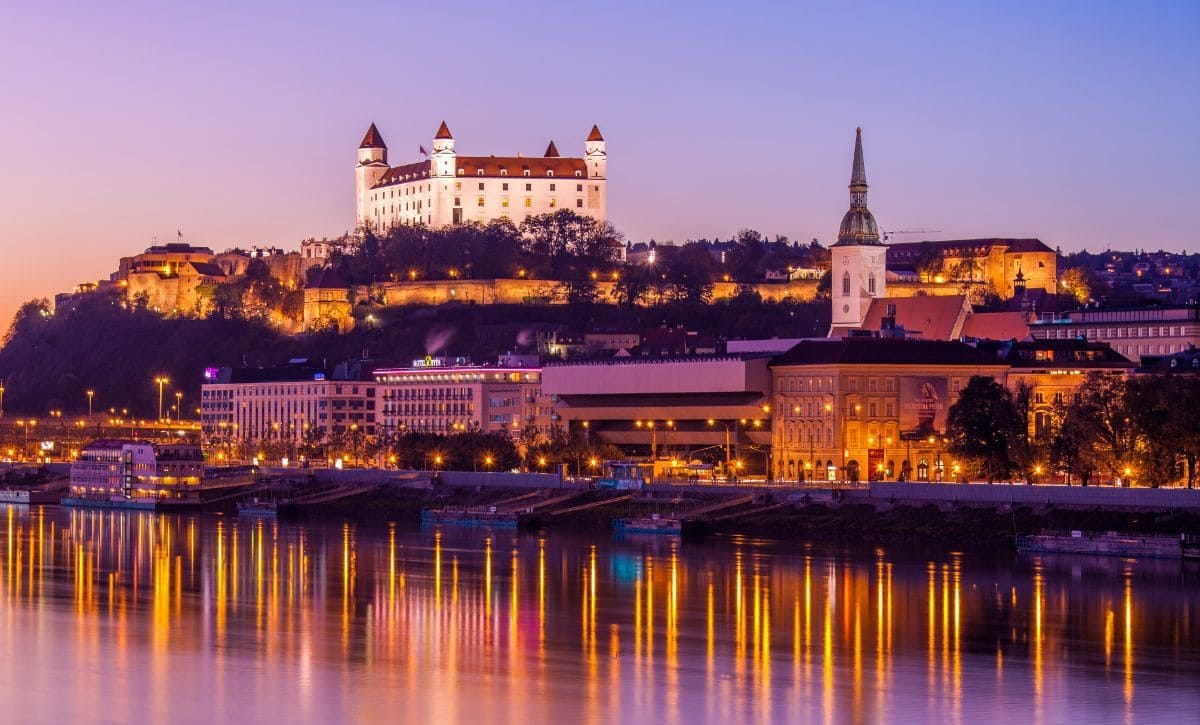
The overlooked Vienna-adjacent pick.
On tax, personal income tax is progressive across four bands introduced in 2026: 19%, 25%, 30%, and 35%. Company tax from January 2025: 10% for revenue under €100K, 21% for €100K–€5M, 24% above. Dividend tax dropped to 7% from 2025 (was 10% in 2024).
The structural advantage most people miss is capital gains. 0% on stock-exchange-listed securities held more than one year. That’s the shortest holding period on this list and the most flexible for active portfolio management. Combined with Vienna access an hour by train, this becomes a serious capital-gains-driven family pick rather than just the smaller-city choice.
What makes Bratislava distinct is the proximity to Vienna. You can live in Bratislava at 40–50% of Vienna’s cost while accessing Vienna’s premium international school stack, healthcare, and culture as often as you want.
For neighbourhoods, the old town is historic and walkable. Ruzinov and Karlova Ves are residential and family-oriented. Petržalka is the high-density panel housing and the cheapest option.
For schools, Bratislava has the British International School Bratislava and QSI International School of Bratislava locally. Plus the entire Vienna stack (American International School Vienna, Vienna International School, Lycée Français) accessible by daily train if your family commits to that life
But Bratislava is small. The Vienna-commute lifestyle requires real planning. Slovakia has had political turbulence in recent years to be aware of.
For families who want EU plus smaller-city pace plus access to Vienna’s depth at half the cost, this is the play. And if you have listed equity sitting on a one-year holding, the capital gains math sweetens the deal materially.
Ljubljana, Slovenia 🇸🇮
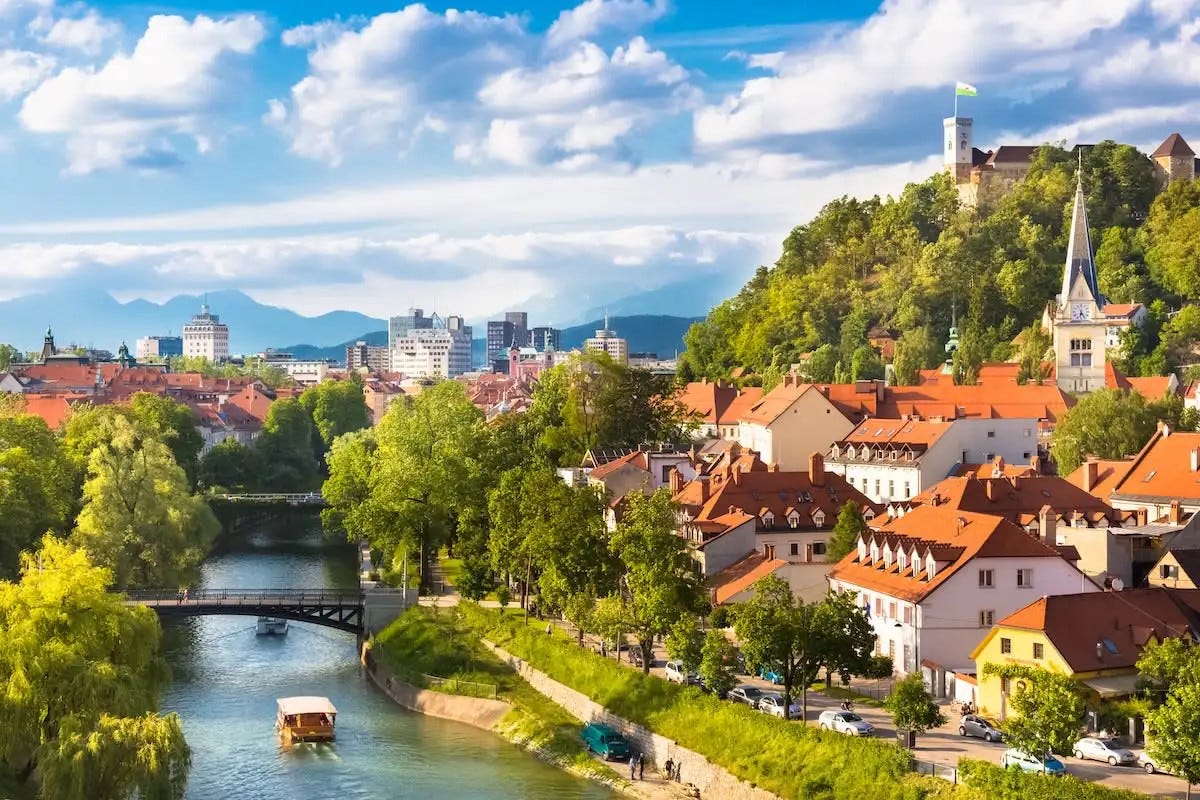
The most underrated lifestyle pick in Europe for families.
Not a tax play. Personal income tax is progressive at 16%, 26%, 33%, 39%, and 50%. Not optimised for high-salary earners. The self-employed flat-rate scheme (normirani s.p.) remains usable for small entrepreneurs but was tightened in 2023. Company tax was raised to 22% from January 2025 (up from 19%) as part of the flood-recovery package, scheduled through 2028. Capital gains is progressive and falls with holding period: 25% under 5 years, 15% after 10 years, 0% after 15 years.
What Ljubljana actually delivers is quality of life. Lake Bled is 45 minutes away. Skiing is 1 to 2 hours (Kranjska Gora, Vogel). Hiking in summer is excellent. The walkable old town along the Ljubljanica river is genuinely beautiful. Café culture along the water. The Adriatic (Piran, Portorož) is 1h45 south. Trieste is an hour west. You can build a serious life across multiple landscapes from one base.
For schools, British International School Ljubljana and École Française de Ljubljana. A smaller stack than Prague or Budapest but with real options.
Slovenian has limited utility outside the country. The country is small (roughly 2M total). Long-haul flight connectivity is weak, so you often fly via Vienna, Frankfurt, or Munich. And for employees with €100K+ salaries, Slovenia isn’t tax-optimised.
For families wanting Alpine quality of life plus a safe walkable capital plus working self-employed tax math, Ljubljana is likely the most underrated city on this list.
Tallinn, Estonia 🇪🇪
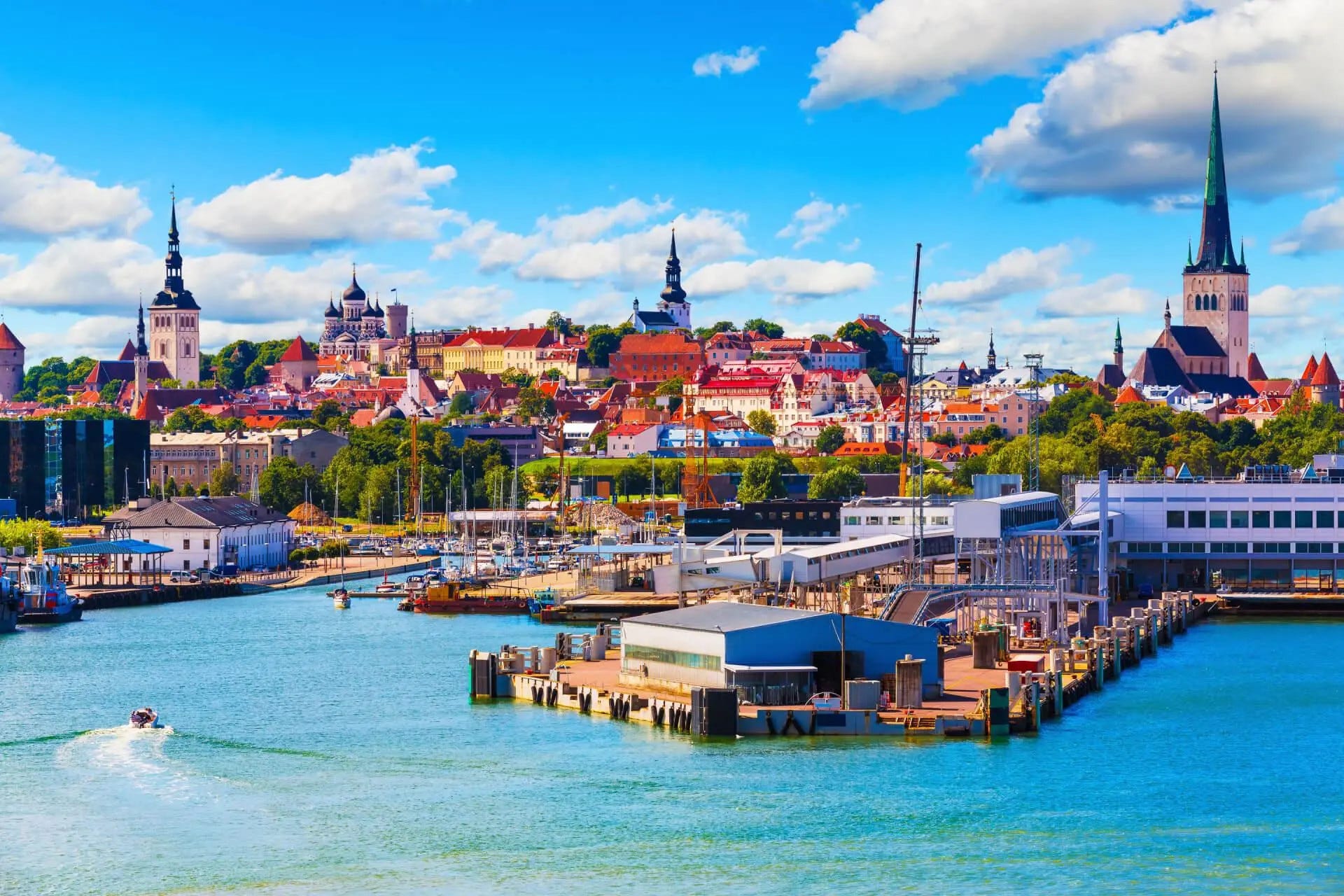
The digital state. The wildcard on this list.
On tax, 22% flat income tax in 2026 (up from 20% before 2025; the planned further hike to 24% was cancelled by Parliament in December 2025). The unique part of the Estonian model is the corporate tax: 0% on profits kept inside the company, 22% only on distributed dividends.
For digital businesses that reinvest profits rather than distribute them, this is structurally unique in Europe. You can compound corporate earnings tax-free for years and only trigger tax on what you actually take out personally. Combined with the e-Residency program (which lets anyone incorporate an Estonian company online and run it from anywhere), the math is genuinely different from anything else on this list.
For schools, International School of Tallinn, International School of Estonia, and Tallinn European School. Solid for the city’s size.
For neighbourhoods, Kalamaja (old wooden houses, hipster-shifted), the old town (UNESCO-listed but expensive), Kadriorg (residential, family-friendly), Nõmme (suburban, leafy).
But prepare yourself for long dark winters, with 4 to 6 hours of daylight in December and January. Estonian is famously hard. Tallinn is small, so urban depth is limited compared to Prague or Warsaw. The tax rate trajectory shows even Estonia is raising rates rather than cutting them.
For tech-forward families building digital businesses with reinvestment, the Estonian model is structurally unique. The winter is the real test.
Belgrade, Serbia 🇷🇸
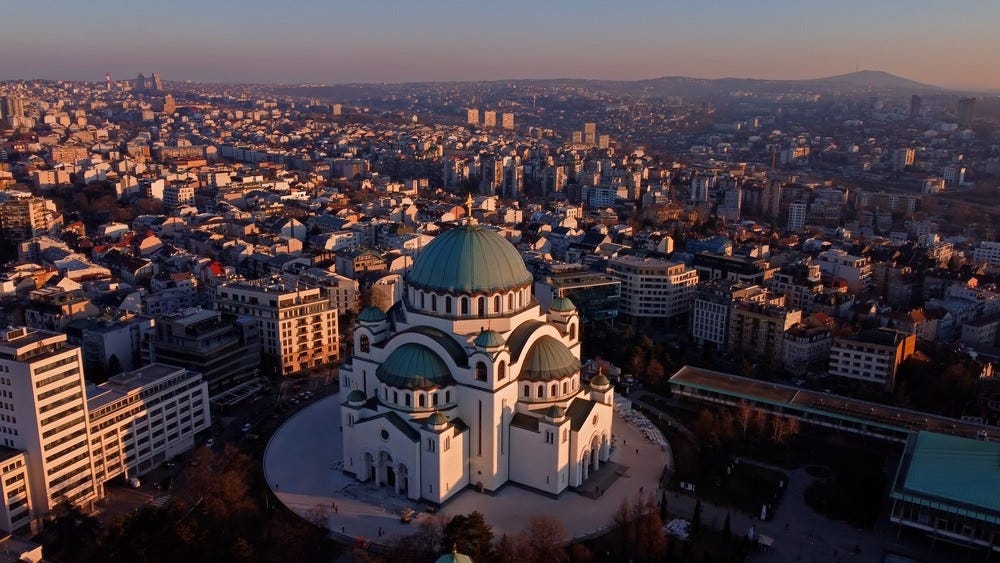
The non-EU contrarian pick. Real cost advantage. Growing tech ecosystem.
On tax, personal income tax is 10% flat on salaries (after a small monthly allowance). An annual surtax kicks in above roughly €46K: 10% up to about €93K, 15% above. Capital gains are 15% standard, dropping to 0% after a 10-year hold. Company tax is 15%.
The contractor play is what makes Belgrade interesting. The flat-rate scheme (paušalno) is a fixed monthly tax plus contributions (roughly €150–300 per month), not a percentage rate. For typical software professionals, this works out to roughly 6–10% effective on actual earnings. The most aggressive math on this list.
The catch is real. The “test of independence” (introduced in 2020, enforcement tightened since) uses a nine-criteria test. If you fail it, you get reclassified as an employee with full payroll tax (roughly 35–40% effective). The variance is binary. Verify qualification carefully before assuming the paušalno rate applies.
Belgrade has become a real tech hub since 2022. US and EU companies have opened offices. There’s been a large post-2022 Russian and Eastern European tech migration. The Balkan startup ecosystem centres here now.
For schools, International School of Belgrade (American curriculum, IB) and British International School Belgrade.
Now the downsides.
Non-EU. Serbia is an EU candidate with active accession negotiations, but you don’t get the EU passport pathway for the kids unless you already hold one yourself. Serbian is hard, with both Cyrillic and Latin scripts in use. Political volatility (Kosovo relations, periodic protests).
For software contractors and startup-curious families on €80–150K who want big-city energy at half the cost and don’t need the EU passport for the kids, this is surprisingly strong.
The Comparative Picture
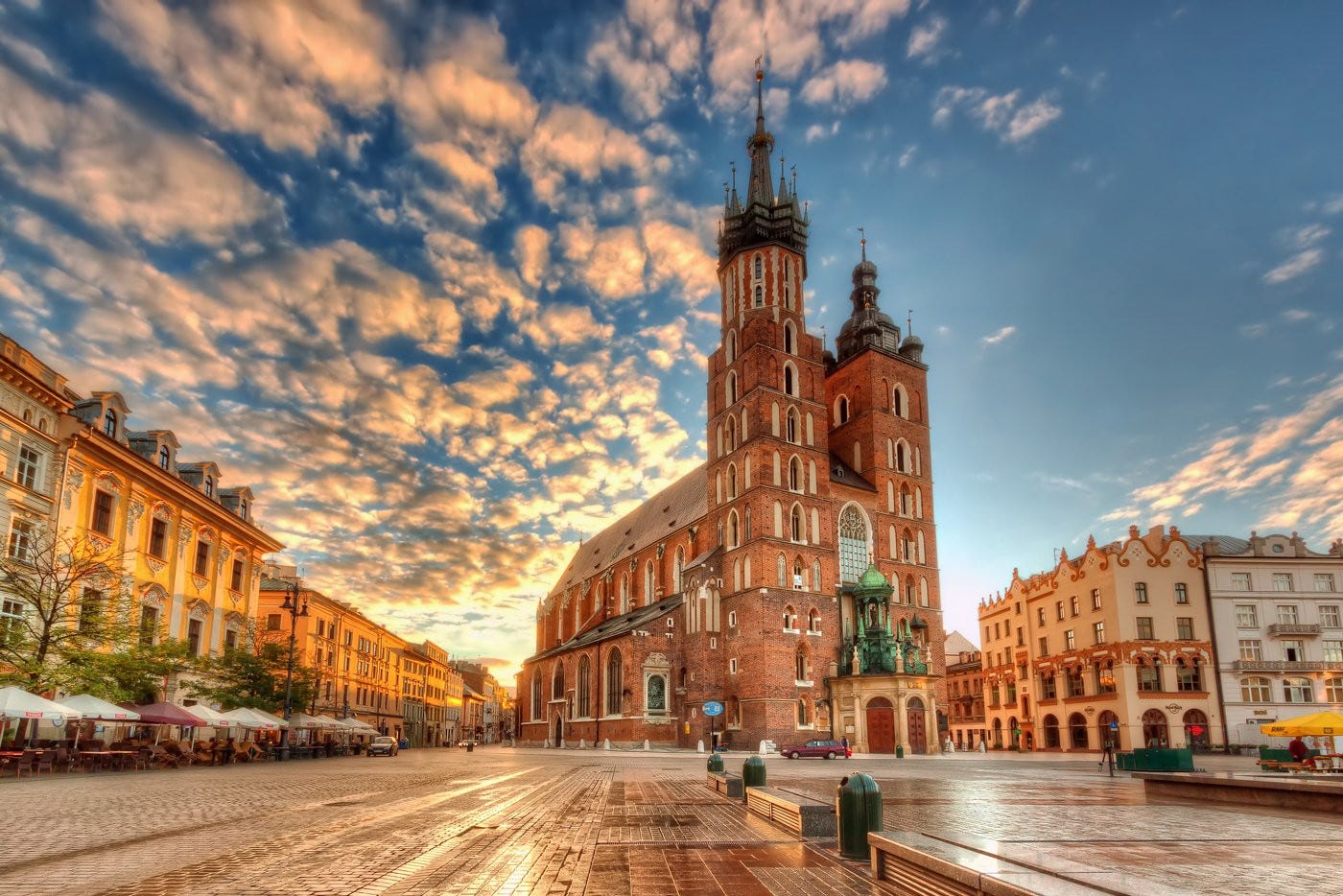
Best overall balance: Prague (deep schools plus reasonable tax plus old-Europe quality plus the 3-year capital gains exemption uncapped from January 2026)
Best for IT contractors and software professionals: Warsaw (ryczałt at 8.5–15% on revenue, depending on activity code)
Best lifestyle play: Zagreb plus Istria (Adriatic, Eurozone since 2023, 2-year 0% capital gains, no listing constraint)
Best low-tax plus EU passport pathway: Sofia or Bucharest (tied at 10% flat)
Best for capital gains realisations: Bratislava (1-year hold on listed securities) or Sofia (no holding period on EU-listed shares)
Best headline tax-and-family combo: Budapest (15% personal plus 9% corporate, political backdrop accepted)
Best Alpine quality of life: Ljubljana
Best for digital businesses reinvesting profits: Tallinn (0% on retained corporate earnings)
Best contrarian non-EU pick: Belgrade (paušalno at 6–10% effective, with the independence-test caveat)
If I Had to Pick Just One…
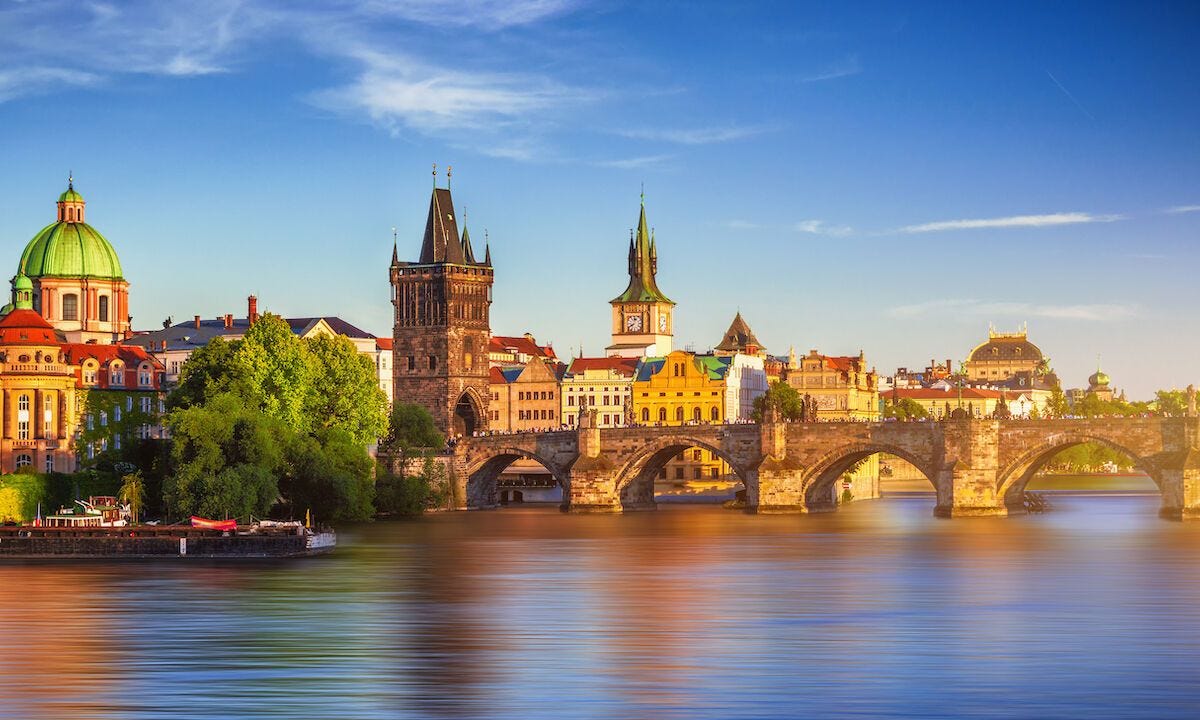
Prague.
It’s not the cheapest pick. It’s not the lowest flat tax. But it’s the best balance.
Personally, if I were optimising for the pure tax math first and lifestyle second, I’d take Sofia and live in Plovdiv. 10% flat plus 5% on dividends plus the 0% capital gains on EU-listed shares, with the cultural depth and the lower cost. European Capital of Culture quality at Bulgarian prices.
Prague is the strongest balance for most families. Sofia and Plovdiv is the one that speaks to me for the pure math.
Three Important Rules Before Relocating
Model the effective rate, not the headline. The 10% Bulgaria headline runs around 24% effective once you stack employee and employer social security. The 15% Hungary headline runs higher once you add 18.5% employee social plus 13% employer social. Always model the full burden before committing.
Talk to families and contractors already there. The accountants who handle the structures and the founders who have already moved. The structuring details that make or break the math live in those conversations.
Visit in February. If the city works through a Czech or Hungarian or Estonian winter, it works year-round. The continental winter is the real test, and it filters out a lot of romantic relocation plans before any tax math gets done.
The best cities for tax-optimised family life in Europe aren’t trending. They’re just underratedly excellent for the right profile.
Are you considering a move with your family? Which of these speaks to you, or is there one I missed?
Reply and let me know – I read every message personally.
And if you enjoyed this, click the ❤️ button and restack.
Stay free,
Ale
Writing from Lisbon
I may have a biased view given I was only there for a week, it was a perfect snowy winter wonderland and the Christmas markets were on the go, but Prague certainly captured my heart. From what I could tell, the mix of old and modern would make it interesting and very livable.
Prague if forced to pick just one with Belgrade close second